Pickerl Problems: Austrian Vignette Fine Bonanza

Four British drivers – and tens of thousands of others – fall victim to the Austrian toll sticker regulations, particularly the need to attach it to the windscreen (though there is one exception).

Also, slim pickings for traffic police at the Belgian Grand Prix. Condor’s Liberation makes a bizarre non-stop in Guernsey.

.

AUSTRIA VIGNETTE FINE BONANZA

Thousands fined for not fixing toll sticker to windscreen.
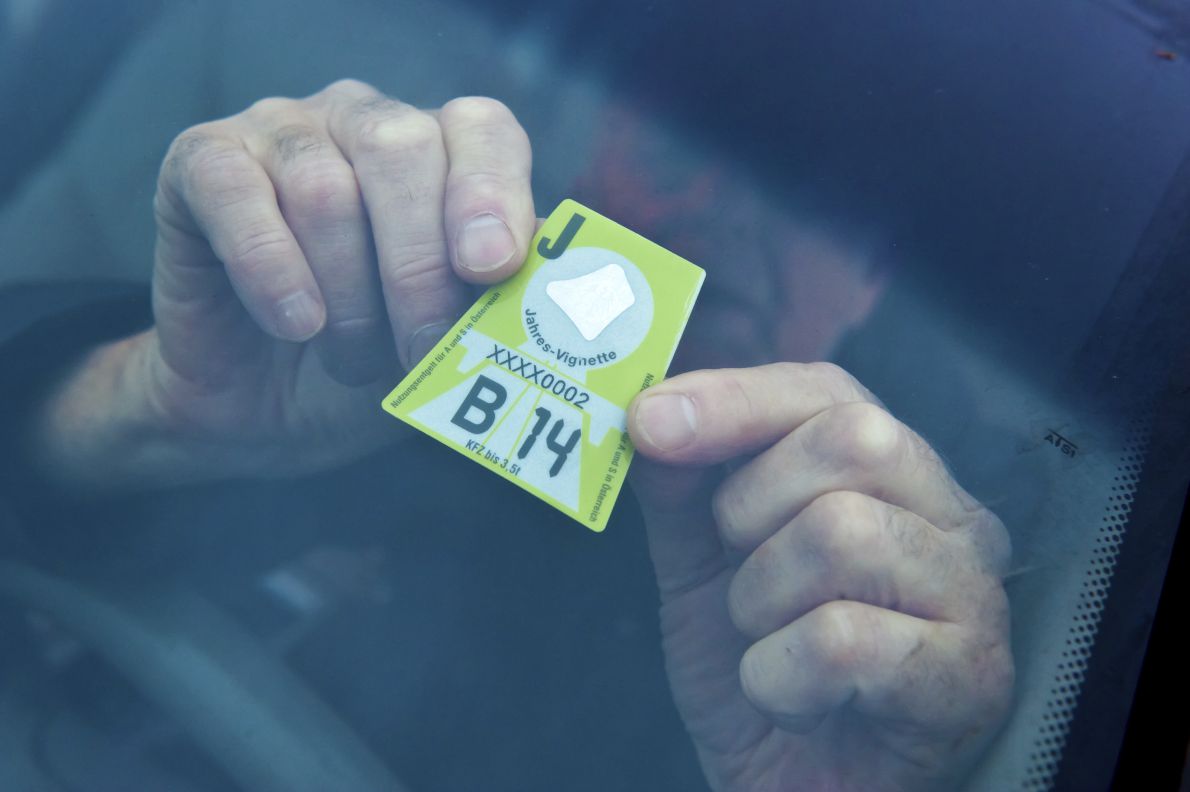
Photo ASFINAG

Photo ASFINAG

A group of four British drivers were fined €120 each yesterday after falling foul of Austria’s toll sticker rules.

Despite all of them having bought the vignette shortly before – and having the sticker, and receipts to show for it – they were fined nonetheless, and on-the-spot, for not attaching it to the windscreen.

Understandably upset, one of the group asked us how to claim a refund but unfortunately there is no recourse.

The rules are designed to prevent the stickers – known locally as Pickerls – from being used on other vehicles.

Just over 160,000 drivers were fined in Austria last year for vignette violations.

Not all of them were fined for not attaching it properly. Many of the 64,000 German drivers included in that number were apparently not aware the toll sticker exemption on the A12 (Munich-Innsbruck) motorway south of the border at Kufstein was removed in 2013. But failing to attach the vignette as per the rules is by far the most common problem according to the ADAC.

Attaching it properly means completely removing the backing film, and not using sellotape or glue, for instance, or any other method except the sticky surface on the front. Just leaving it on the dashboard is strictly verboten.

The – very – fine print on the back of the vignette includes instructions in English.

The system is enforced by roadside police inspections and a network of high resolution video cameras which can tell, believe it or not, whether the vignette is correctly fixed.

Virtually the only allowable appeal for a toll fine is if the seller punched the sticker incorrectly, on the markings around the edge which show the valid dates.

Drivers are strongly advised to keep both the backing film and receipt as proof of purchase.

Quick vignette: the windscreen sticker allows drivers to use the Austrian motorway and expressway network (and motorway rest areas). There are exceptions, including the A13 Innsbruck Brenner autobahn which is tolled separately, see more. The cheapest vignette is valid for 10 days (€8.70, car up to 3.5t). Two-monthly (€25.30) and annual vignettes (€84.40) are also available. Drivers who do not use the motorways do not need a sticker but those who do should buy it before they use the motorway, e.g. from petrol stations near the Austrian border in neighbouring countries.

For more information in English see national road manager ASFINAG’s website or this leaflet.

.
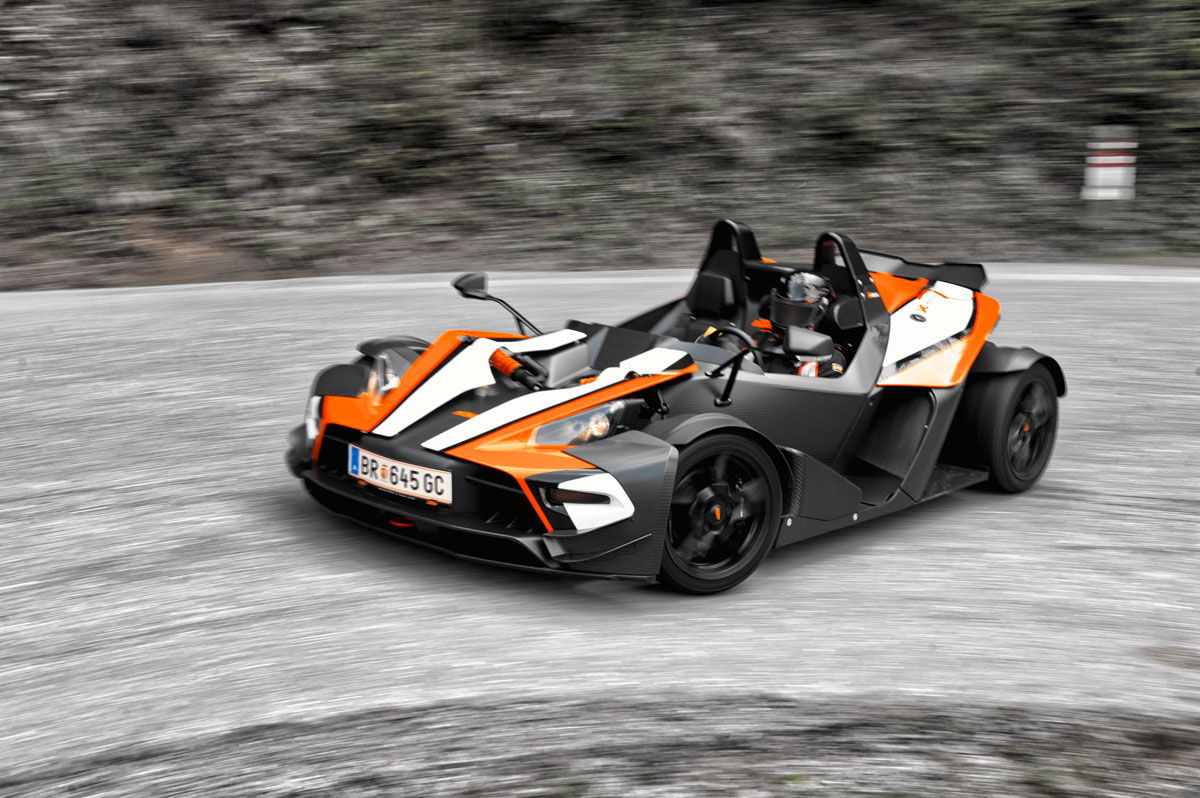
Only vehicles type-approved without windscreens – such as the Austrian designed and built KTM X-Bow, above – are exempt from the need to stick the vignette on the windscreen. Even then the sticker ‘must be kept on the driver’s person’, and left clearly visible inside the car when parked up at a motorway service station.

Only vehicles type-approved without windscreens – such as the Austrian designed and built KTM X-Bow, above – are exempt from windscreen vignette rules. Even then the sticker ‘must be kept on the driver’s person’, and left clearly visible inside the car when parked up at a motorway service station. While toll stickers from other countries like Slovenia and Slovakia need to be validated by filling in the car’s registration details on the back, the Austrian version does not. It means friends or family members with windscreen-less vehicles could theoretically share vignettes – as long as they didn’t use the motorways at the same time – without risk of sanction. As loopholes go however it’s fairly subatomic.

.

roundup: BELGIUM. Traffic police nabbed 859 speeding drivers at the Formula One Grand Prix over the weekend, out of 23,077 vehicles measured, reports Deredactie.be. That makes for a strike rate of 3.7% which compares well to the 6% of drivers caught in the Saarland during Germany’s 24 Hour Speed Blitz earlier this year. Belgian police also confiscated a relatively few fourteen driving licences while four drivers were found DUI and three uninsured vehicles were seized. CROSSING THE CHANNEL. Passengers on Condor Ferries Liberation expecting to disembark in St Peter Port yesterday afternoon were instead taken on to Poole after a cruise ship moored in the harbour apparently refused to move. A statement from Condor said, ‘As a result of the high wind speeds, with the other ship unwilling to move off her berth, and with safety as his highest priority, the Master of Condor Liberation’s only option was to continue to Poole without docking in St Peter Port.’ However, Guernsey port disputes this version of events and says the high winds were solely responsible for the ship being unable to dock. A strange turn of events all round and still lacking a full explanation. The new-to-Condor Liberation currently operates in restricted weather conditions pending sea trials later this year.

.
Belgium Traffic + Road Woes – Transfag Beauty

Roads, congestion and safety under the spotlight in Belgium again.

Also, megamodel in Transfagarasan road trip. More – and more and more – migrant trouble at Eurotunnel, just when the worst seemed past.

.

BELGIUM TRAFFIC + ROAD WOES

New truck safety study, and maybe Highway Code too, as transit country tops congestion charts, again.

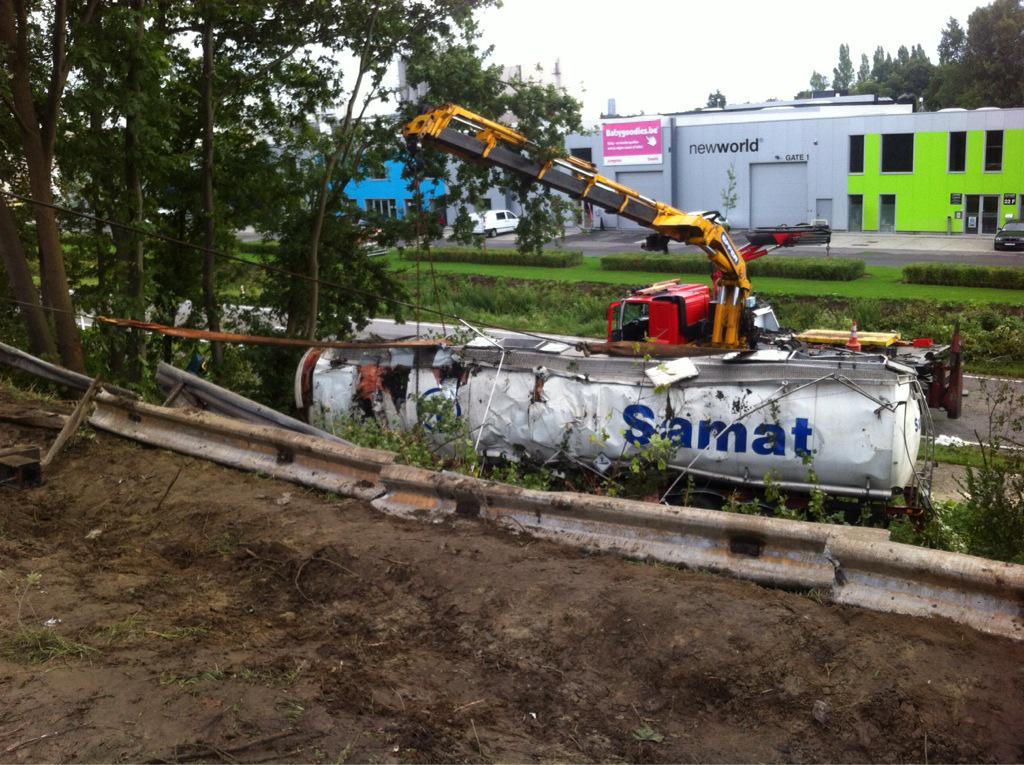
As if to rub the point home on truck accidents, a chemical tanker rolled down the embankment beside the A1/E19 towards Antwerp Monday afternoon, shutting the road for 17 hours. Luckily there were no injuries reported on this occasion.

As if to rub the point home on truck accidents, a chemical tanker crashed on the A1/E19 between Brussels and Antwerp on Monday afternoon, shutting the road for 17 hours. Luckily there were no injuries reported on this occasion. Photo @WegPolitie_ANT

New figures from traffic monitor INRIX show Belgians lost an average of 51 hours each in traffic last year, by far the most in Europe.

Belgium was well ahead of the second-placed Netherlands (41 hours), and next-placed Germany (39 hours), Luxembourg (34 hours) and the UK (30 hours).

The list was rounded off with Ireland (24 hours) and Italy (20 hours).

Belgian roads suffer much more than chronic congestion. A tragic accident on the R0 Brussels ring road on Friday has triggered a review of truck safety.

Two people died, and the road was shut for sixteen hours, after a truck piled into the back of a traffic jam in Strombeek in the early hours of the morning.

The Belgian Institute for Road Safety (BIVV) was already on alert after deaths in accidents involving trucks doubled last year compared to 2013.

The research project will start next year and report before the end of 2016 according to Deredactie.be.

BIVV also said earlier this month that the forty year old Highway Code needed to be completely re-written as it used out-dated language and was confusing for drivers.

In an open letter to the De Tijd newspaper, BIVV said, ‘The Netherlands use 75 words in the section about bus lanes but we in Belgium need 600 words.’

Meanwhile, a survey of 2000 drivers by motoring organisation VAB, published at the weekend, highlighted poor road surfaces and lack of road markings as the major issues on the motorway network.

Like neighbouring Luxembourg, Belgium is an outlier in Western Europe with 65 and 64 traffic fatalities per million inhabitants respectively, compared to 28 in the Netherlands and 42 in Germany.

A controversial article for the UK Guardian last year – the last time Belgium topped the congestion charts – blamed the traffic woes on tax breaks which encouraged the almost universal use of company cars, a commuting culture, an ill-conceived road network (focused on Antwerp and Brussels) and a lack of public transport.

What it failed to mention was the sheer amount of transit traffic passing through, between the Channel ports and Western Europe, particularly on the E40 motorway via Brussels, one of Europe’s busiest roads.

No two ways about it, Belgian motorways can be fast and furious, especially E40 at busy times. Drivers put off by this are advised to consider alternative routes such as the A25-E42 via Lille and Charleroi or, our favourites, the extensive and brisk network of, often-dual carriageway, N roads.

.

IMG_3629 (2)

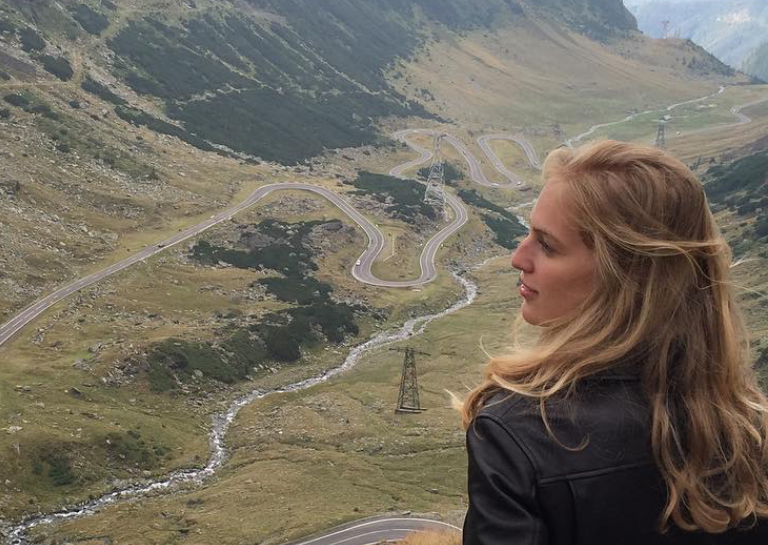
Calvin Klein, Chanel and American Vogue model Vanessa Axente is on a road trip around Romania. ‘Jeremy Clarkson said Transfagarasan is ‘the best road in the world’ – I always wanted to drive here and finally I made it!’ she said yesterday. Since making her international debut in 2012 – for Prada – the nineteen year native of Nagylengyel, western Hungary, near Lake Balaton, has dominated the upper echelons of the industry. Having just sailed along the Mediterranean coast from Nice to Cinque Terre, it’s not clear if the Romania trip is work, or yet more pleasure. Look out for the results in a newsagent near you soon.

.

roundup: EUROTUNNEL. For the second time in a three days, migrants were spotted inside the Channel Tunnel yesterday afternoon, bringing operations to an immediate halt and subjecting passengers from France to delays of more than seven hours by last night. The migrants are believed to have gained access to bulk freight trains in a yard outside the terminal, not the passenger or HGV freight shuttles. Formula One commentator Martin Brundle, on his way back from the Belgian Grand Prix, said, ‘I’ve been very lucky at the French side of the Chunnel tonight on the bike. Sorry if you’re stuck in the queue, that looks epic.’ @RSDriver00 said, ‘Chunnel was pretty bad. Upgraded to Flexi Plus 30mins out and avoided what appears to be 7.5hrs wait.’ The disruption comes after France and the UK signed a new security deal last Thursday, when confidence was high that Eurotunnel had seen the worst of the trouble. The focus had been expected to shift to other ports but it seems the migrants are determined to stick with Eurotunnel’s premium high-speed service. Update: the Tunnel was disrupted by at least three separate migrant incidents today (Monday).

.

The Confounding Holiday Traffic of Summer 2015

French drivers avoid the busiest days, and make good use of the free A75 via Clermont Ferrand, while the season drags on much longer in Germany, and the jams start much earlier in the day.

.

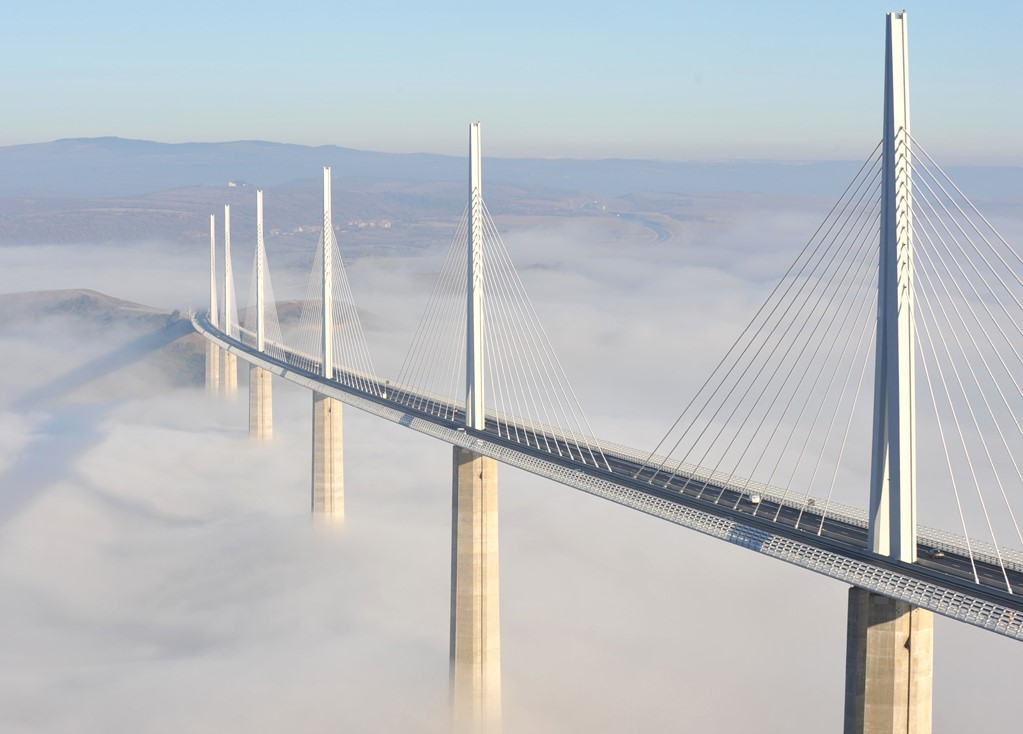
French drivers have opted for the A75 more than ever this year - but is it because of the Millau Viaduct, or because this is one of the few free French autoroutes?

French drivers have opted for the A75 more than ever this year, but is it because of the spectacular Millau Viaduct, or because – bridge excepted – this is one of the few free French autoroutes?

Maybe late-August is a bit too soon to draw conclusions about this year’s confounding summer holiday traffic.

After all, there is almost another six weeks to go before the season ends.

On the other hand, a clear pattern does seem to have emerged. In short, drivers have shown themselves more savvy than ever to the Continent’s hotspots, and hot days, but the result has been to spread the misery rather than reduce it.

Yesterday’s peak 540km of combined traffic jams in France was the latest in a line of ‘disappointing’ summer Saturdays.

It was billed as ‘Black Saturday South’ when all those holidaying in the south of France return home in a rush, a week ahead of the schools going back.

In fact, peak traffic yesterday was only around half of this year’s busiest day, Saturday 8 August (972km), which itself was only supposed to be a lull day between the big getaway and the big return days.

The national Black Saturday, on 2 August, peaked at a mere 880km compared to the all-time record of 994km on the same day in 2014.

Meanwhile, as on many weekends before, considerable queues formed quite early this morning on the A7 north to Lyon and the day is already shaping up – and indeed, did shape up – to be a regular holiday traffic day, as opposed to a markedly quiet Sunday.

In general however, and as previously noted, the A7 Lyon-Avignon has seen much less traffic than usual, nowhere near the five hour delays of previous years.

Instead the undoubted ‘star’ road has been the A75 Clermont-Ferrand-Beziers. While many drivers are no doubt attracted to the spectacular Millau Viaduct in the south, the A75’s other main attraction is that it is one of the few toll-free French autoroutes.

The nearby and parallel A20 Limoges-Toulouse has been relatively free-flowing by comparison. Overall, however, the A10/A63 Paris-Bordeaux-Spain road has been consistently the busiest road in the country.

Over in Germany, the holiday season was supposed to come to an abrupt halt after the second week of August but it certainly hasn’t.

Despite week day rush hours returning to normal last week, heavy traffic has continued unabated for the past two weekends with the most congested section undoubtedly being the A8 between Munich and Salzburg.

As well as knocking off very early on a Friday, the German stereotype has been that drivers leave on their long trips after a late night or lie-in and a long, leisurely breakfast. Not this year: queues on the A8 have formed as early as they traditionally do in France, i.e. at day break, with the rest of the network not that far behind.

The big question is how this all leaves us for next year, especially as the French national traffic service Bison Fute enjoys its last year before being broken up to save cash.

Presuming that the traffic on these long range routes has little to do with the record-breaking fine weather this summer, the suspicion is that the French tradition of heading south for August is breaking down, and the previously rigid structure of changeover Saturdays.

Maybe, if the French economy recovers, drivers will return to their regular stamping ground, the A7 Lyon-Avignon.

If not, we are coming perhaps perilously close to recommending drivers take their pick of the finest August holidays in the South of France and enjoy relatively free-flowing roads on what used to be the worst days of the year.

Should present trends continue in Germany however, with roads jammed from first thing and then all day, perhaps it is best avoided all together until at least September.

.

Monster Motorhome Fines In Portugal – Rally Moselle

Eye-watering fines handed out to illegally parked motorhomers in Portugal.

Also, a quick look at the Moselle (Mosel) region of west Germany, scene of this weekend’s Rally Deutschland. More delays for the Denmark-Germany Fehmarn Link.

.

MONSTER MOTORHOME PARKING FINES IN PORTUGAL

Campers taking advantage of liberal camping rules landed with huge fines.

Photo '48 Hours in Lisbon' from Mercedes-Benz

Photo ‘48 Hours in Lisbon‘  from Mercedes-Benz

Motorhome owners have been fined enormous sums for illegal parking in Portugal.

The fines have ranged from €200 right up to €22,500 according to The Portugal Times.

Despite generally liberal rules on motorhome parking – it has been described as one of the few places in Europe where you can still stay on the beach overnight, for instance – police have been cracking down in sensitive areas.

Hotspots include the Ria Formosa Natural Park, the Southwest Alentejo and Vicentina Coast Natural Park, Vila Nova de Milfontes, Aljezur, Arrifana, Bordeira and Sagres.

The recent fines come on top of the twenty two eviction notices handed out to campers in Alentejo in June.

The free and easy wild camping rules have however sometimes caused tensions with locals.

So far in 2015, police have issued 179 fines compared to 217 in the whole of last year, and 659 since 2009. Less than a fifth have been given to Portuguese nationals.

Meanwhile, police have started a month’s work to rule over employment conditions. They will favour ‘educational actions’ on traffic offences until the end of September. It’s not clear if this includes illegal motorhome parking.

.

CM6_2XLWIAAKwDr

World Rally cars charge through one of the prettiest parts of Germany this weekend. Rally Deutschland centres around Trier, on the Luxembourg and Belgian borders, in the west. Today is spent mainly along the north bank of the River Moselle – above – with a stage in the Eifel Mountains to the north west. Saturday is on country roads around St Wendel to the south east of Trier, with a session on the Panzerplatte military training ground at Baunholder. The final stage of that day, and both on Sunday, are among the vineyards again on the south bank of the river, to the north east of Trier. See more here.

.

roundup: DENMARK. More delays are likely to the landmark Fehmarn Tunnel to Germany reports thelocal.de thanks to environmental concerns. Originally it was to be in operation in 2021 but that has since slipped to 2024 and may now be put back at least an extra year. The authorities have always insisted the project is environmentally friendly as the ‘tunnel’ is formed from pre-fab concrete tubes laid on the sea bed, rather than ‘destructive’ digging, but now 3100 objections have amassed from Germany. Denmark is famously shouldering the vast majority of costs associated with Fehmarn though the EU awarded the (currently estimated) €5.5bn project a €589m grant in June, itself said to be considerably less than was hoped, and potentially the source of further delays.

.

Migrant Focus Shifts To Other Channel Ports

The British and French governments say they are already on to the possibility the migrant crisis could spread to other ports from now secure Calais and Eurotunnel.

.

MIGRANT FOCUS SHIFTS TO OTHER CHANNEL PORTS

As Calais calms fears Dunkirk could be next, and Zeebrugge too.

UK Home Secretary Theresa May and French Interior Minister Bernard Cazeneuve in Calais today. Photo @Place_Beauvau

Tough shot: UK Home Secretary Theresa May and French Interior Minister Bernard Cazeneuve in Calais today. Photo @Place_Beauvau

As the situation appears to return to normal at Calais and Eurotunnel, attention shits to other ports thought vulnerable to people traffickers.

Calais has been secure for some months now according to P&O while this is now the second week free of overnight migrant disruption at Eurotunnel’s freight terminal in France (see update below).

At the signing of a new security deal in Calais today between the British and French governments, British Home secretary Theresa May told reporters she was ‘well aware of the possibility of displacement’ and was looking at security at other ports, including Dunkirk.

The seven page declaration published alongside the meeting says, ‘The two governments have commissioned a study of other Channel and appropriate North Sea ports that could be used by criminal gangs exploiting migrants. The two governments will commission and implement new security measures if necessary, based on that study.’

Although migrant activity has not so far disturbed ferry operations at Dunkirk on a regular basis there have been tragic incidents. Last November two migrants burned to death in the back of truck which caught fire while waiting to board at the port.

The Daily Mail published a report last week on a camp at Teteghem, near Dunkirk, though it is thought migrants stow away in cars there before attempting to cross the Channel at Calais or Eurotunnel.

Meanwhile, P&O tells the Hull Daily Mail it has not seen an increase in migrant activity at Zeebrugge, Belgium – from where it sails twice daily to Hull – but that it stands ready to increase security if and when it does so.

Last week, Belgium set up a national ‘Task Force’ expressly to prevent any ports becoming ‘the next Calais’.

Update 24 August: since the meeting, the migrants have disrupted Eurotunnel on several occasions after gaining repeated access to the bulk freight train yard in Calais, see more.

.

The sun sets on the DFDS Esbjerg-Harwich ferry between courses on our last night celebratory dinner in the very good on-board restaurant. A few weeks later DFDS announced they would withdraw the service - the final UK-Scandinavia boat - at the end of the summer. Especially gutting because we spent most of the voyage conjuring up ace new trips, to the Arctic circle and beyond.

Throw back Thursday: catching the ferry back from Denmark in March 2014 after driving around the Baltic. A few months later it was withdrawn, and with it the last ferry link between the UK and Scandinavia. The stories about possible replacements are still among the most-read on @DriveEurope

.

Trip Planning: Dog Holiday – Belgium Farmer Blockades

Taking the dog on his first Continental holiday means jettisoning our usual foot lose and fancy free style. 

Also, Belgian farmers restart road block protests, uncomfortably close to the Belgian Grand Prix circuit at Spa. Charity pair face the music in Iceland after alleged illegal off-roading. The first results are in from the European anti-speed week campaign, and from Spain’s DUI blitz.

.

TRIP PLANNING: DOG HOLIDAY

Nervous about hotels but crossing the Channel seems easy enough.

DSC_0498 (3) (2)

Photo @DriveEurope

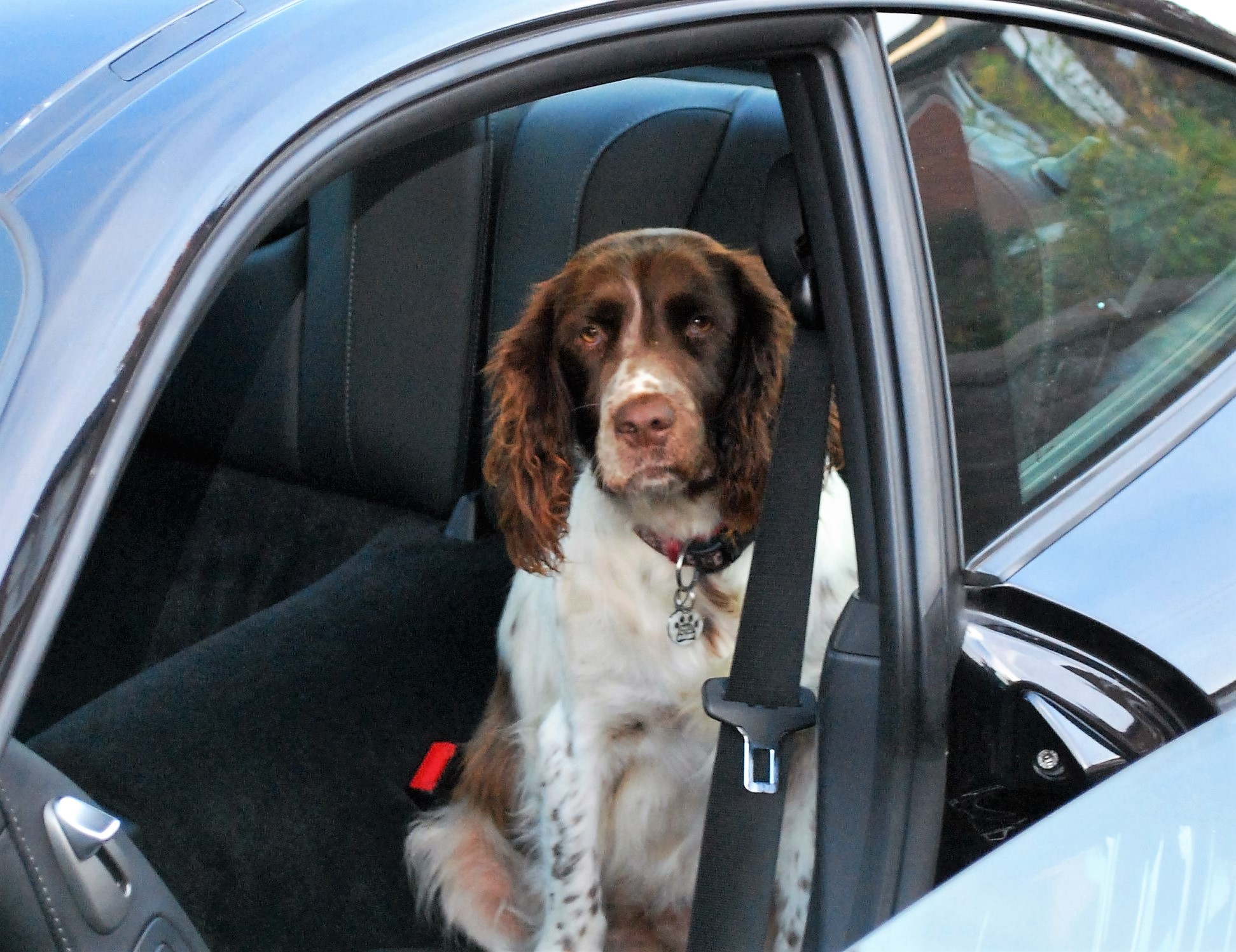
Hopefully it will be great to take the dog on holiday but the first victim is already spontaneity.

Unlike our usual vaguely plotted, care-free improvised affairs, this one is having to be rigidly planned in advance.

We have even booked the channel crossings: Eurotunnel on the way out (£100) because he stays in the car with us, and Brittany Ferries on the way back (£595) because they have dog-friendly cabins.

Actually, crossing the Channel seems like the easy bit. Apart from the pet passport – including rabies jabs and positive antibody blood test – parvovirus and ticks, the only thing to worry about is the way back.

Within five days of arriving back in the UK, but not less than 24 hours, he needs a vet-certified tapeworm treatment.

Finding a clued-up English speaking vet will no doubt be a stress but we’ll cross that bridge when we come to it.

The big issue is where to stay. Luckily Continental hotels seem quite accepting of pets in general. Normally we’d rock up wherever and whenever but we don’t fancy doing that with a dog in tow.

Three weeks out we’ve only found one place which satisfies all our requirements, beside Lake Annecy, but at least they only charge a reasonable €17 per night extra for the animal.

The idea is to stay in three or four places, for a few days each, to cut down on long drives as we head south from the Sauerland in Germany to northern Spain via the Alps and the Pyrenees.

Rather than steam through ten mountain passes each day, like we have done, we’ll take it much easier, explore a bit, go on massive walks and, hopefully, swim in some Alpine lakes… while ticking off some of the big mountain roads we haven’t driven yet.

That’s the plan. Of course it won’t turn out like that. The problem is, if it doesn’t, we’re stuffed.

.

Belgian farmers reasserted themselves in style last night with a blockade of the E40 junction outside Liege. A column later moved in slow-time westwards to the local airport. This morning the action shifted south to the Brussels-Luxembourg A4 with a full scale block in which only cars were allowed through, slowly, and – briefly – on the A15 near Charleroi, above. The next stages are not clear yet - more strikes are expected between now and a meeting in Brussels on Monday 7 September - but the current focus is uncomfortably close to the Belgian Grand Prix circuit at Spa. Farmers could not wish for a higher-profile target as thousands of cars converge for the weekend. Watch this space.

Belgian farmers reasserted themselves last night with a blockade of the E40 junction outside Liege. A column later moved in slow-time to the local airport. This morning the action shifted south to the Brussels-Luxembourg A4 with a full scale block in which only cars were allowed through and – briefly – on the A15 near Charleroi, above. The next stages are not clear – more strikes are expected between now and a meeting in Brussels on Monday 7 September – but the current focus is uncomfortably close to the Belgian Grand Prix circuit at Spa. Farmers could not wish for a higher-profile target as thousands of cars converge for the weekend. Watch this space. See alternative routes to the circuit here. Excellent update from F1 writer Joe Saward who says Bernie Ecclestone headed off trouble with the farmers by inviting them into the paddock, with a cow, to publicise their concerns on milk prices.

.

roundup: ICELAND. It was more a case of hung-ho ignorance than wilful vandalism we thought yesterday, but the two Scottish former-servicemen on an adventure drive around Iceland have not helped themselves by apparently taking down allegedly incriminating footage from their website (in fact the site is now down completely). Matthew McHugh and Rhys Rowlands are on ‘Operation Ragnorok’ across the country, including summiting a series of volcanoes, in aid of Poppy Scotland, a charity for veterans. Outraged locals inundated the Ragnarok website with comments yesterday after it emerged the pair might not have observed Iceland’s strict no off-roading rules. However, the pair firmly deny this according to Iceland Magazine, and put the trouble down to an ‘ill-informed individual’. They have reportedly now handed themselves in to police. ANTI-SPEED WEEK. The first results are in from the European police federation’s anti-speed week. Nearly 4000 drivers were caught in Finland on Monday, of which only 54 were bikers, 21 truckers and four bus drivers. Police say the advance notice didn’t seem to have any effect on speeds reports Finland Times. Fines in Finland are infamously based on a person’s disposable income. Meanwhile in France, police recorded 285 offences in just two hours on the French Riviera thereby illustrating the current struggle with road safety says Autoroute.info. Of those 130 were speeding, 17 jumped red lights and 26 were on the phone. The last time European police concentrated on speeding for a week, last August, 580,000 drivers were prosecuted in 28 EU countries. Meanwhile, an – unrelated – drugs and alcohol action in Spain last week saw 151,104 drivers tested of which 2,405 gave positive tests says roads manager @DGTes – 1919 for drink, 486 for drugs – an overall strike rate of 1.6%.

.

Driving to the Belgian Grand Prix

At 325 miles from London, the Belgian Grand Prix is the second biggest British motorsport exodus after Le Mans, but there are more ways to get there than via the notorious Brussels ring road.

Comparing and contrasting routes via Brussels or Charleroi on the motorway, or cross-country on the hidden-gem N-road network, including the legendary Masta Kink.

.

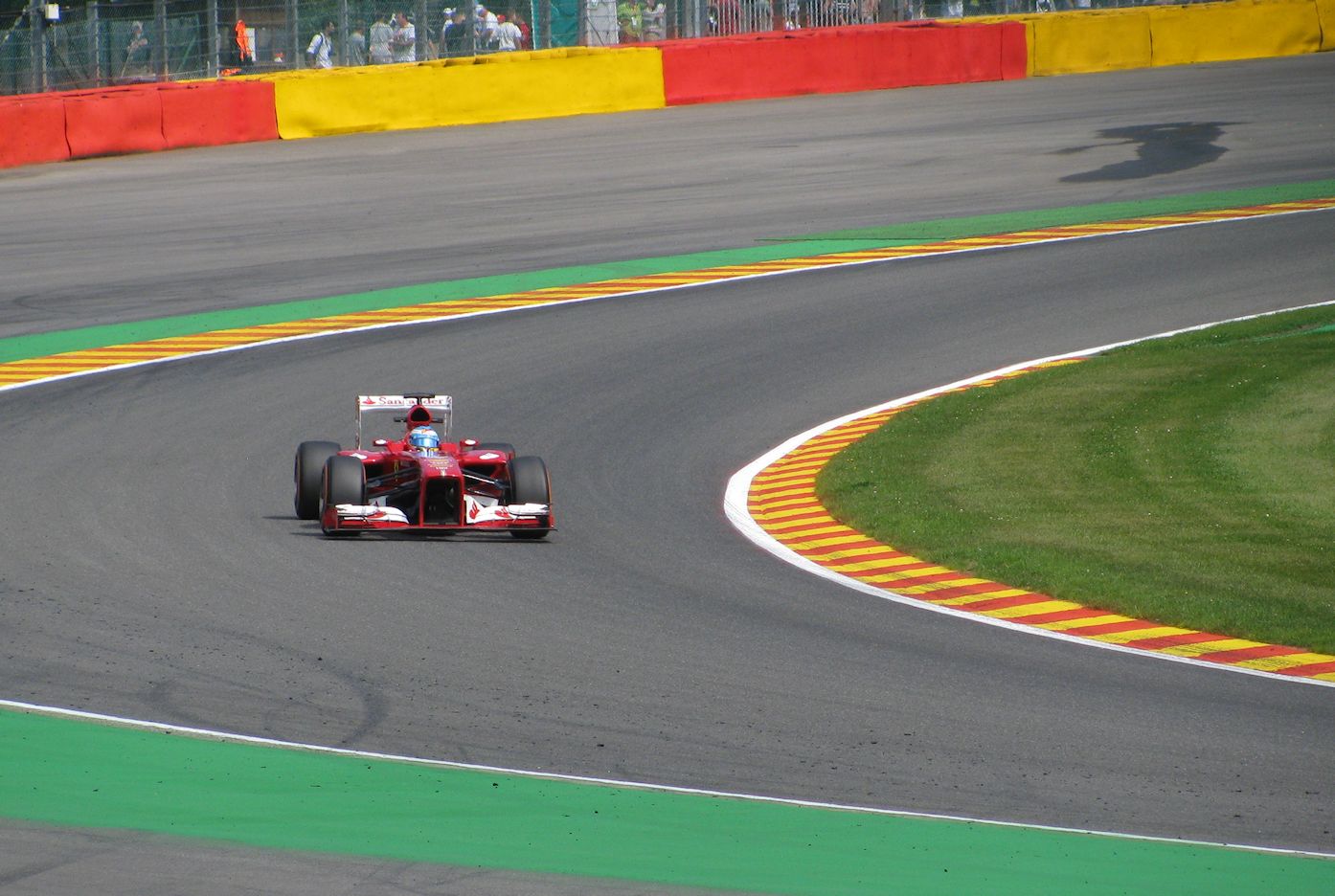
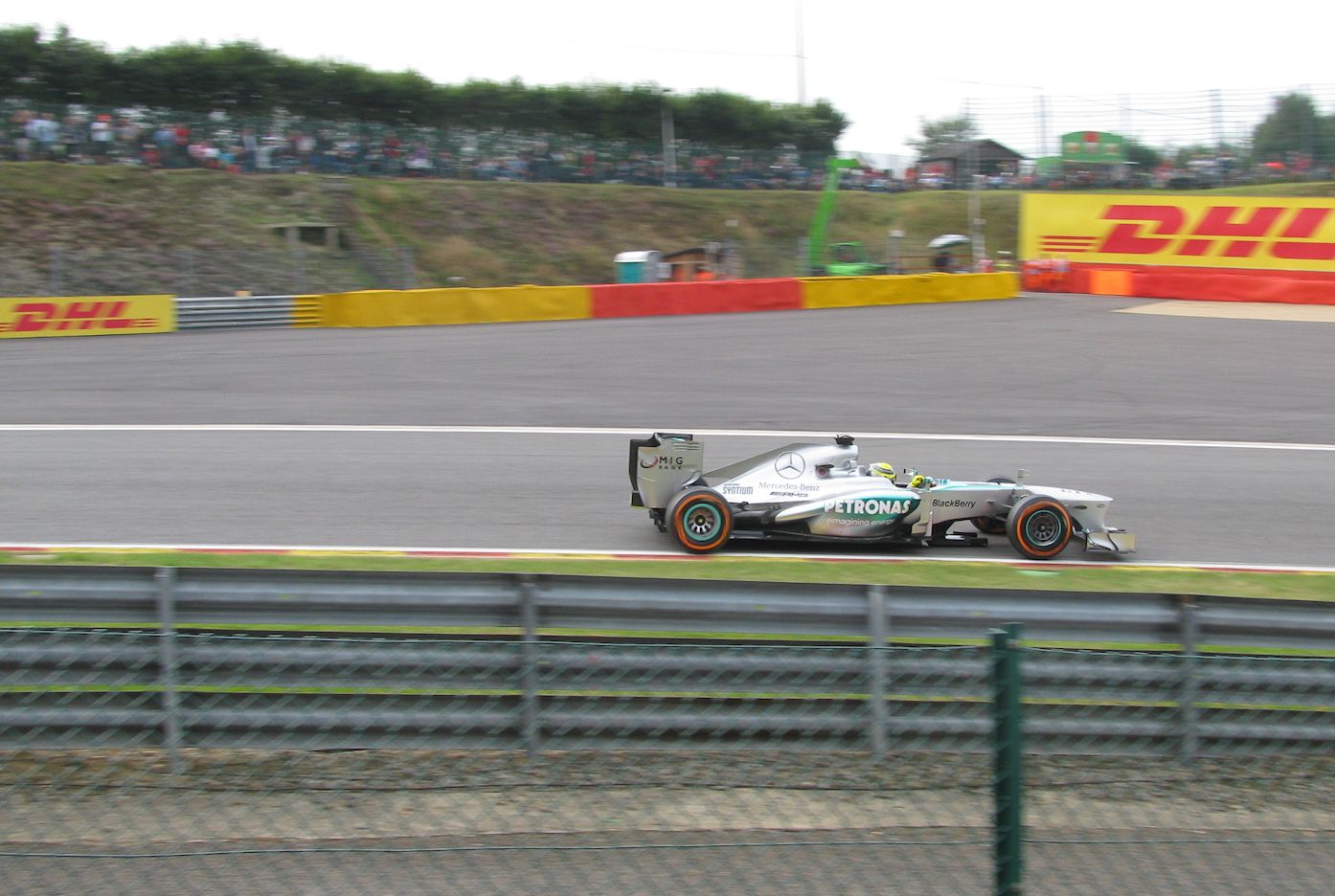
Fernando Alonso at Fagnes, Belgian Grand Prix 2013. Photo @DriveEurope

Fernando Alonso at Fagnes, Belgian Grand Prix 2013. There’s no better place than Spa to get an unimpeded view of the cars. More photos and map below. Photo @DriveEurope

If only the Belgian Grand Prix was held a couple of weeks earlier.

For most of the summer Belgian roads are quiet but by mid-August everybody is back at work and raring to go.

Last Friday, funnily enough, the R0 Brussels ring road saw its first proper traffic jam in more than a month.

But don’t worry, there is another way to the grand prix track at Spa Francorchamps, south of Liege in east Belgium, which misses out the capital city’s notorious ring road.

Like the A16 from Calais to the Belgian border, the A25 from Dunkirk to Lille is toll free too. Pick up the E42 at Lille and head east to Liege via Charleroi.

SatNavs send you the Brussels way because it’s shorter, 184 miles v 201 miles between Calais and Liege, but that advantage can be eaten up in a routine Brussels jam.

The A25-E42 way is not guaranteed congestion free either but since the major road works at Charleroi finished a few weeks ago it’s much more reliable.

If time is not tight consider N90 which runs parallel to E42 for the ninety miles between Mons and Liege.

The N roads are the hidden gems of the Belgian road network. Less isolated from the surrounding countryside, which becomes increasingly rolling the further east you go, and often dual carriageway, they are much less crowded, and less frenetic, than the motorways.

N90 is actually mainly single lane, with some 2+1 sections for overtaking, but the latter half especially, running beside the wide River Meuse, verges on the extremely pretty.

It even has sheer cliff faces to one side, believe it or not.

For those staying south of the track – e.g. the campsite at Les Coombes – the N4, from either E42 or N90 at Namur, could be handy.

This great road heads south east towards Bastogne, rolling along with fast sweeping corners through open country with only the occasional town or village to slow you down.

After 60km, head north east again on the N89 ‘Route de Beausaint’ at Journal towards Baraque Fraiture. This hits the historic N68 at Salm-Chateau after another 40km.

Turn left on N68 towards Trois Point which, after Stavelot, is the original grand prix circuit, complete with Masta Kink.

.

R0 Brussels ring road (east>west): If you do go the Brussels way – and why not, this is the way the @MercedesAMGF1 team go - try to avoid it at rush hour, i.e. 07:30-09:30 and 15:30-18:30. Good luck!

R0 Brussels ring road (east>west): if you do go the Brussels way – and why not, this is the way the @MercedesAMGF1 team go – try to avoid it at rush hour, i.e. 07:30-09:30 and 15:30-18:30. Good luck!

No-one would call the E42 via Charleroi pretty exactly but, lined with trees, it is better looking than the E40 to Brussels, and - generally - significantly quieter.

No-one would call the E42 via Charleroi pretty exactly but, lined with trees, it is better looking than the E40 to Brussels, and – generally – significantly quieter.

N4 southbound from Namur to Bastogne. Enough said.

N4 southbound from Namur to Bastogne. Lovely fast sweepers like this more or less all the way.

N90 on the way into Namur, beside the River Meuse. The road takes you through the centre of many of the town and villages so at least you get to see some of Belgium.

N90 on the way into Namur, beside the River Meuse. The road takes you through the centre of most of the town and villages, so at least you get to see some of Belgium.

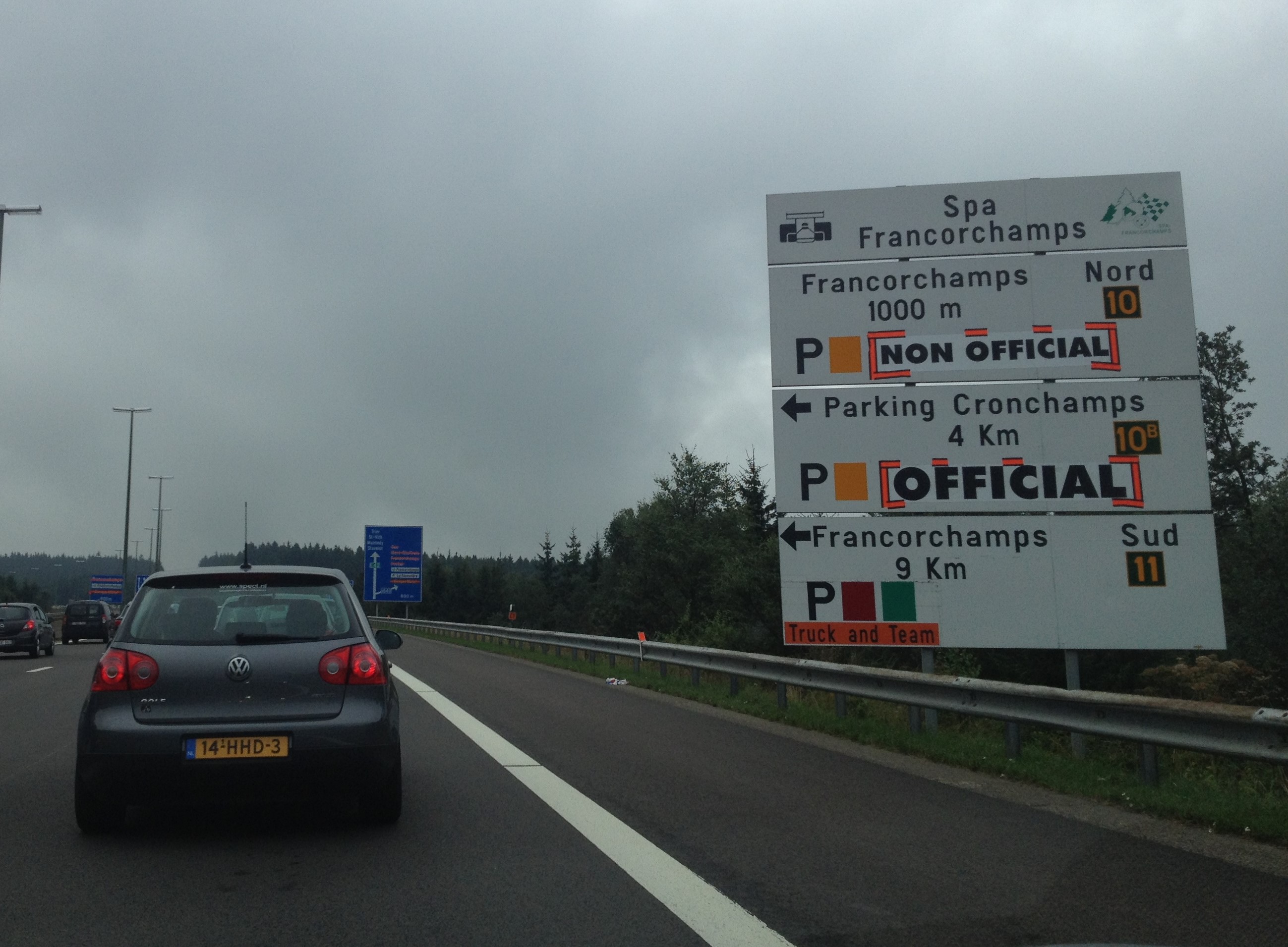
The main entrance to the circuit is off the E42 south from Liege via Verviers. Traffic management on practice, qualifying and race day means there’s only one way to go so don’t worry about directions. Try not to do what we did and think ‘official parking’ is the parking laid on by the circuit, as opposed to parking for officials which is what it really is…

The main entrance to the circuit is off the E42 south from Liege via Verviers. Traffic management on practice, qualifying and race days means there’s only one way to go so don’t worry about directions. Get there early; the queues can be massive. Try not to do what we did and think ‘official parking’ is the parking laid on by the circuit, as opposed to ‘parking for officials’ which is what it really is…

Spectator tip: can’t think where else spectators can get closer to F1 cars in action than from the inside of the Rivage hairpin at the top of the circuit. Nico Roseberg, 2013.

Spectator tip: can’t think where else spectators can get closer to F1 cars in action than from the inside of the Rivage hairpin at the top of the circuit. Nico Roseberg, 2013. Have fun!

.

.

€500 HGV Tax for France – Anti-Speed Week

It seems the French government is planning a flat rate charge on trucks in France, to replace the failed Ecotaxe.

Also, police forces across Europe concentrate on speeding this week. Flanders to remove its shockingly expensive emergency road side phones, as Belgium determines not to become ‘the next Calais’. A Helsinki flash mob protests the use of private vehicles in a city aiming to innovate ‘Mobility as a Service’. Good news on the Newhaven-Dieppe ferry.

.

€500 HGV TAX FOR FRANCE

Last week’s confusion over ‘Regional Ecotaxe’ quickly cleared up.

IMG_2324

The reason for last week’s U-turn on a regional Ecotaxe truck toll system has emerged already: the government wants a national flat charge for HGVs instead.

On Wednesday, the deputy mayor of Boulogne was quickly shouted down by the prime minister’s office after proposing a transit tax for trucks in the Nord Pas de Calais region.

Eyebrows were raised because the regional or transit tax idea – reusing road gantries left over from the now-defunct Ecotaxe – had been floated in June by none other than Ecology minister Segolene Royal.

However, according to a report in today’s Le Figaro, the government is preparing to announce a new ‘paperless vignette’ system for trucks, probably 7.5t+, which would apply to the whole road network, regional and national, and cost €500 per year.

The announcement is on hold currently pending an imminent government reshuffle.

While unlikely to be welcomed by the entire industry, the vignette idea does have the support of the influential Organisation des Transporteurs Routiers Européens (ORTE).

The ORTE sat on the Committee tasked with developing alternatives to the unpopular Ecotaxe which was cancelled last year amid widespread protests.

The Committee was tasked with finding new ways to replace the lost Ecotaxe revenue which had been earmarked for transport investments.

ORTE responded to Royal’s June announcement on transit taxes by reaffirming its support for the vignette, praising its ‘simplicity and equity, and ensuring the sustainable and recurring income for infrastructure financing.’

According to Le Figaro, the vignette would raise €95m each year from foreign hauliers, about 40% of the total revenue it would be expected to raise says ORTE.

.

It's TISPOL anti-speed week, police forces across the Continent concentrating on enforcing speed limits.

Anti-Speed Week starts today, when police forces across the Continent concentrate on enforcing speed limits. The European Traffic Police Network (TISPOL) says speeding contributes to around a third of all fatal road accidents. Member forces will be using ‘a number of speed detection methods across all types of road’ it says. A similar operation last August netted 580,000 drivers in 28 countries. Photo @Gendarmerie

.

roundup: BELGIUM. Each call from an emergency roadside phone costs Flanders €250 reports Deredactie. The north Belgian region maintains 1350 of the phones at an annual cost of €800,000, but they are only used around 3000 times per year. The upshot is that they will all shortly be removed. Meanwhile, a national ‘Task Force’ has been assembled to stop the Belgian coast becoming ‘a second Calais’. The aim is to co-ordinate all national and regional administrative, crime fighting and judicial agencies to target people traffickers. Nearly 350 have been apprehended so far this year. FINLAND. A flash mob occupied a junction in central Helsinki on Saturday in a protest against the use of private vehicles. Around 150 demonstrators sat down on Lonnrotinkatu, halting all traffic reports Finland Times. The Finnish capital is becoming a focus of so-called ‘Mobility as a Service’ systems whereby users do not own any form of transportation but rent on demand via a one-stop-shop internet portal. The scheme is based on a thesis by student Sonja Heikkila, now in development by the city’s public transport authority. At a presentation to the EU Transport & Tourism Committee in Brussels earlier this year, a projected price of €300 per person per month raised eyebrows among MEPs but merely elicited a shrug from Ms Heikkila. CROSSING THE CHANNEL. The Newhaven-Dieppe ferry is to get a new lease on life as a regional authority in France decides to take over the operation reports The Argus. Syndicat Mixte de Promotion de l’Activite Transmanche (SMPAT) will run the ferries from the beginning of next year though there will be a transition period from current operator DFDS lasting until March. The two existing ferries will stay on the route albeit rebranded. The Newhaven-Dieppe route is one of the oldest with regular services starting in 1863. The two ports respectively boast being the nearest to London and Paris. The crossing takes 4h00 with prices for two+car starting at £78.

.

France Losing Control of Road Safety

Genuine concern now as the death toll on French roads runs out of control and the government seems stumped for answers. But no-one is asking whether drivers are diverting off safe but expensive motorways in favour of much riskier regional roads.

Plus, SSK stars in next year’s Mercedes-Benz Classic calendar and, a roundup of the week’s bizarre news: brazen Porsche vandal hands himself in to Prague police; Finnish police quandary over racist road side banner; and, friendly locals save tourist car in Istanbul as romantic highway gesture backfires.

.

FRANCE LOSING CONTROL OF ROAD SAFETY

Death rate accelerates as government scrabbles for solutions.

IMG_0112

A hard hitting but so far ineffective French road safety campaign.

The French government is reduced to appealing to drivers’ better nature as it fights a losing battle on road safety.

The death toll reached 360 in July, up 19.2% on the same month last year.

Interior minister Bernard Cazeneuve said today, ‘I must say seriously, to all the people who take to the road, they must be exemplary and responsible.’

He thinks the root causes of accidents are ‘obviously’ related to inappropriate behavior by road users.

Last month’s figures show the death rate is now accelerating. In the first seven months of this year, road deaths are up 3.8% compared to the same period in 2014.

Last year was the first year road deaths increased in more than a decade, by 3.4% overall.

Trucks drivers were the only group to see fatalities fall in July according to Securite Routiere. The rise was especially severe among motorbike riders, up 57% to 105 deaths, and the over-65s, up 64% to 82 deaths.

The numbers are still to be fully analysed but the recent heatwave has certainly brought more bikers onto the roads while cheaper fuel has also encouraged people to use their cars.

The question now is what can be done to turn the situation around.

Cazeneuve said most of the 26 measures announced earlier this year, on the back of last year’s results, have now been implemented.

However, few of those – which include reducing the blood alcohol content for young drivers, banning earpieces at the wheel and experimenting with 80kmh speed limits at accident hotspots – has any real bite.

The only measure to have a significant impact on road safety in France in recent years were the unmarked speed camera cars introduced in March 2013.

Deaths immediately fell by nearly 30% but quickly regained their former levels as it became apparent the numbers of camera cars on the road were relatively low.

The government paid the price for that success with last year’s figures but, as deaths continue to rise, it shows there are fundamental causes still to be addressed.

One possibility apparently not under discussion is that drivers increasingly divert off autoroute motorways to avoid road tolls, and thereby put themselves at greater risk.

Figures published earlier this month by autoroute operators’ association ASFA showed that autoroutes are five times safer than other roads.

A row over high road tolls between the government and operators was settled earlier this year, without any cuts to the charges.

Cazeneuve says the focus from now on will be on prevention. Around 14,000 traffic police are now on the roads each weekend (far below the 22,000 on duty over New Year however).

To further consider the next steps, the Interministerial Committee for Road Safety – chaired by Prime Minister Manuel Valls – will meet in the autumn, for the first time since 2011.

Update 7 September 2015: Cazeneuve did also say fatal road accidents had risen by 7% across Europe. New figures suggest he might have a point.

.

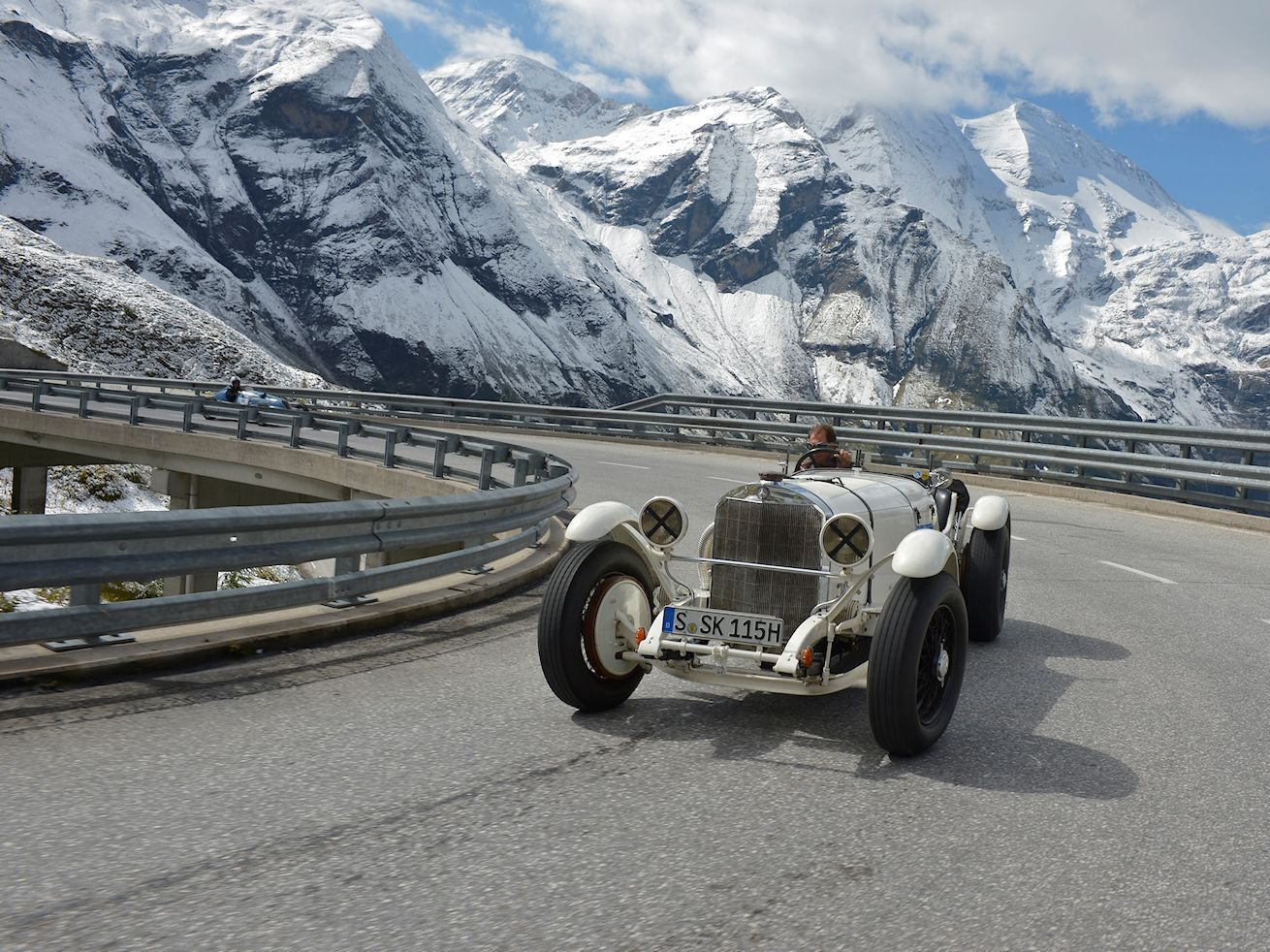
Mercedes-Benz SSK Baujahr 1927 Großglockner Grand Prix 2012, Österreich.

1927 Mercedes-Benz SSK on the 2012 Grossglockner Grand Prix as featured in next year’s Mercedes-Benz Classic Calendar. Find Grossglockner, Austria’s premier mountain road, at PassFinder

.

BIZARRE. Helpful locals were left sitting on the bonnet of a tourist’s hire car – to stop it tipping into the Bosphorus – after the sightseer parked up in Besiktas to visit a museum but didn’t engage the handbrake properly (see the video, via Hurriyet Daily). Meanwhile another man in Istanbul brought traffic to a halt on the major D-100 highway in Bahcelievler in order to propose to his girlfriend, but ended up having his licence confiscated, and maybe even in court. The man who was caught on high definition CCTV excruciatingly scratching a rock right around the outside of a parked up Porsche 911 in Prague at the weekend has handed himself in to police, and could face a year in jail. His female companion is still at large (see the shock footage at Prague Post). It took Finnish police three days to remove a ‘racist’ roadside barrier because ‘nobody complained’ according to Yle News. The hoarding, on the road between Ylojarvi and Nokia near Tampere in the south west, asked what the difference was between humans and animals with the answer being ‘the Mediterranean’. Police initially insisted they needed an official complaint to take it down but eventually relented. Now it transpires they may need to put it back if – as one legal expert claims – no offence has been committed.

.

Manston Only Relieves London-bound OpStack

New airport truck park is unlikely ever to be used while an M20 contraflow is doubtful too.

.

.

The fifty miles-worth of freshly painted white lanes on the runway at Manston Airport could hold a reported 10,000 full size artic lorries.

However, it seems unlikely the new truck park will ever be used, or at least so rarely it makes the fanfare surrounding last week’s announcement look more like a performance of smoke and mirrors.

Closer scrutiny of the plans reveals the airport in east Kent will only be used to replace the London-bound section of the M20 Operation Stack freight queue.

In the event of more major disruption on the Channel, trucks will first queue between J8-9 of the coastbound carriageway, then J9-11, exactly as now.

Only after the motorway is full J8-11 will Dover-bound trucks be diverted to Manston. Freight for Eurotunnel will continue to wait on the M20.

A spokesman for Highways England tells @DriveEurope today that, had Manston been available during the recent severe disruption in Calais, then it would have been used – but the London-bound M20 only closed twice during that time, for the first time ever.

With security now seemingly restored at Eurotunnel in France, and the MyFerryLink dispute firmly at the frozen conflict stage, a repeat of that situation seems unlikely.

Further, prospects of a contraflow system to keep the M20 open in both directions during future Operation Stacks are also highly doubtful.

Having already rejected the idea on safety grounds, Highways England will only agree to a contraflow if fresh evidence is provided by its partners, which include Kent Highways, Port of Dover and Kent Police. However, that is thought to be unlikely.

Few think Manston is the ideal solution for the highly disruptive Operation Stack, but it was welcomed by truck drivers who wouldn’t have to shuffle in line for hours on end, and who could access proper facilities while waiting.

Similarly, locals think Manston will take intolerable pressure off Kent roads. They are all going to be disappointed.

Big thanks to @CheritonWeather for the heads up. See DfT page for more on new Operation Stack.

.