New Audi driving centre – Jaguar on Ice

Audi opens its first dedicated driving centre near its factory in southern Germany. Jaguar offers a tantalising glimpse of its ice driving course in Finland. A surely breathtaking admission from the UK’s Gibraltar minister, two comedians embark on a round Italy road trip and the lights go out in Luxembourg as road works season kicks off with a vengeance.

.

AUDI DRIVING CENTRE NEUBERG.

Full range of track, off-road – and on-road – courses available
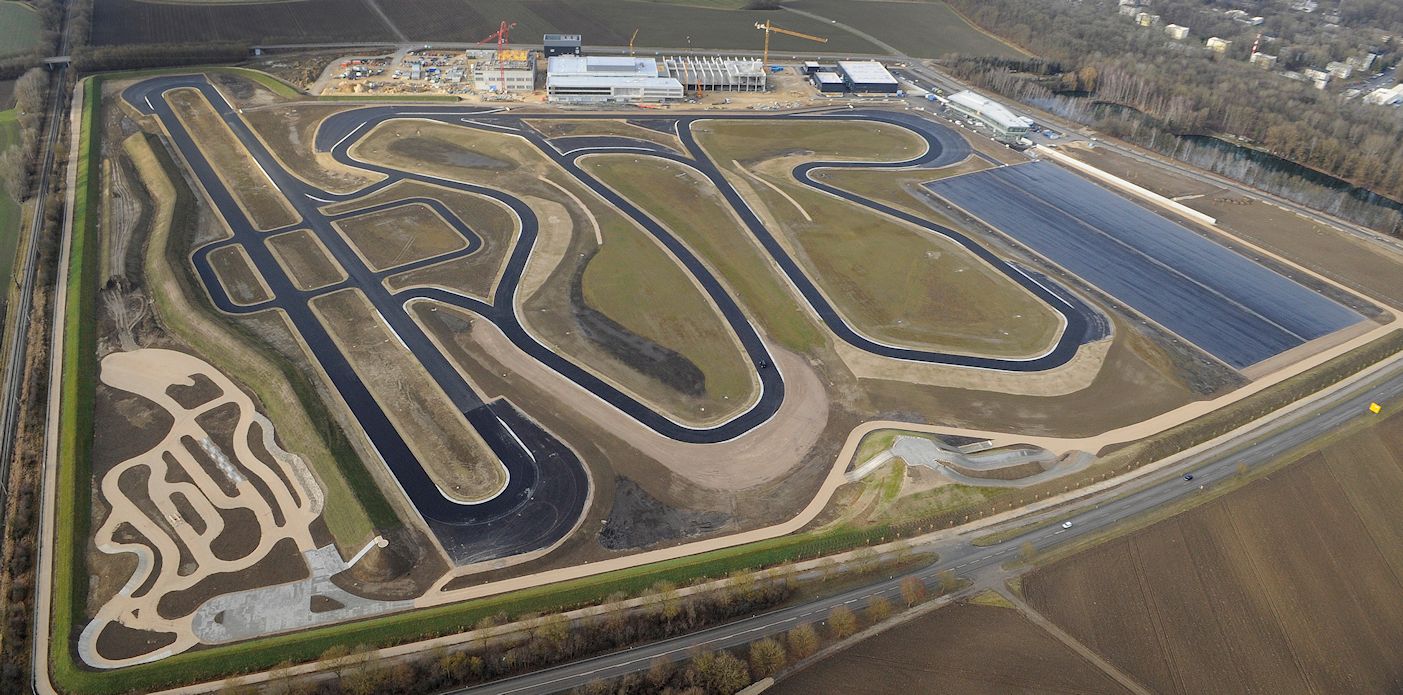
audi neuberg little

Audi opens its first ‘Driving Experience Centre’ in May.

Located in Neuberg an der Donau – 18km west of the company’s Ingolstadt headquarters, between Munich and Nuremberg in southern Germany – facilities include a 3.4km handling course, 30,000 square foot skid pan and two off-road courses, one with a 8m high, 55 degree hill.

From August, the 47 hectare site beside the River Danube, will also be home to Audi Sport. The racing team will design and build WEC Le Mans and DTM cars at Neuberg, and use the track for early tests.

Multi-day, full day, half day, group and one-to-one driving courses are available, with everything from all-round experiences to chauffeur training, advanced avoidance techniques and circuit driving. Prices start at €290 per person. Vehicles include the S4 Avant, A8 quattro, R8 V10 and the range of Q 4x4s for off-roading.

The centre is also the start of a four hour ‘Audi Brand Experience’ drive through Altmuhltal by R8 V10. The 3,000 sq km nature park, just north of Neuberg, is Germany’s third largest, famous for its dolomite cliffs, juniper heaths and river valleys. The tour costs €520 including one tank of fuel.

From its Driver’s Lounge restaurant with a panoramic view of the track from the terrace, and its proximity to the factory, Neuberg offers a totally immersive Audi experience that could keep visitors busy for a couple of days.

Download the Audi Driving Experience brochure here.

.
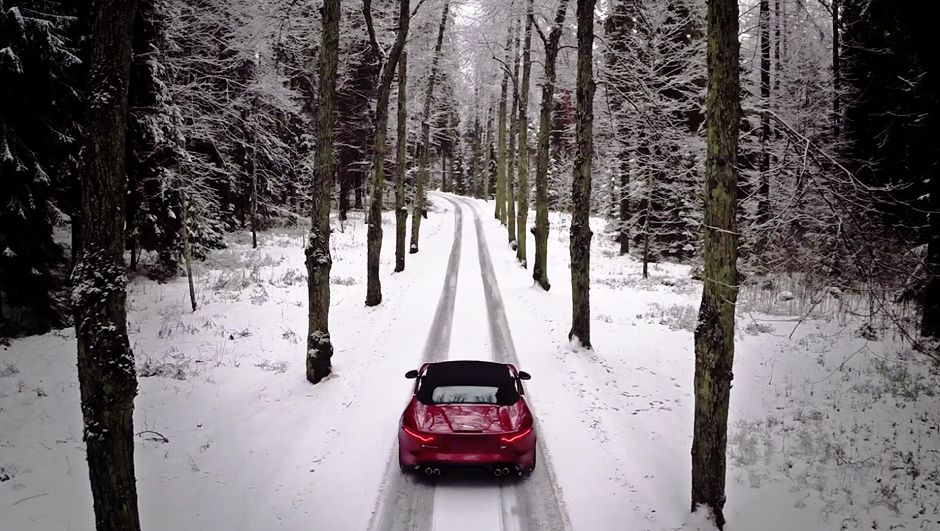
‘Alive on Ice’. Sadly, Jaguar’s winter driving course in central Finland does not include a cross country blast by F-TYPE… However, the three day affair does feature cross country dog sledding and ski-doo riding (and a day in Helsinki) and they do promise ‘challenging driving experiences’. See jaguar.com/icedrive for more.

‘Alive on Ice’. Sadly, Jaguar’s winter driving course in central Finland does not include a cross country blast by F-TYPE… However, the three day affair does feature cross country dog sledding and ski-doo riding (and a day in Helsinki) and they do promise ‘challenging driving experiences’. See jaguar.com/icedrive for more.

.

roundup: ITALY ‘The Trip to Italy’ – ‘two men, six meals in six different places on a road trip around Italy’ – starring Steve Coogan and Rob Brydon, directed by Michael Winterbottom, starts tonight at 22:00 on BBC Two. GIBRALTAR. Breathtaking. The British government apparently has no objection to, ‘Gibraltar going further than the UK in terms of EU integration’, according to evidence given by foreign office minister David Lidington to the Foreign Affairs Select Committee yesterday. There have been concerns in Gibraltar about the effect of a UK exit from the EU. Meanwhile it was a relatively quiet day at the Spanish frontier. The longest delay was a merely extremely inconvenient 1h30, at lunchtime.

LUXEMBOURG. After 13 years wrangling it looks like the embarrassing kink in the A13 motorway at Hellange will finally (start to) be removed at the end of spring (but take two years). Meanwhile, the lights along open stretches of the A6 motorway will be removed from next week in an effort to save cash long term. In addition to the demolition of the old Zoufftgem customs buildings on the A3 – lasting until the end of May – thirty months of repair works begins on the ‘Sernigerbaach Bridge’ on the A1 to Trier, just before the German border. The roadway won’t be affected directly but with the limit reduced to 50kmh delays are likely.

.
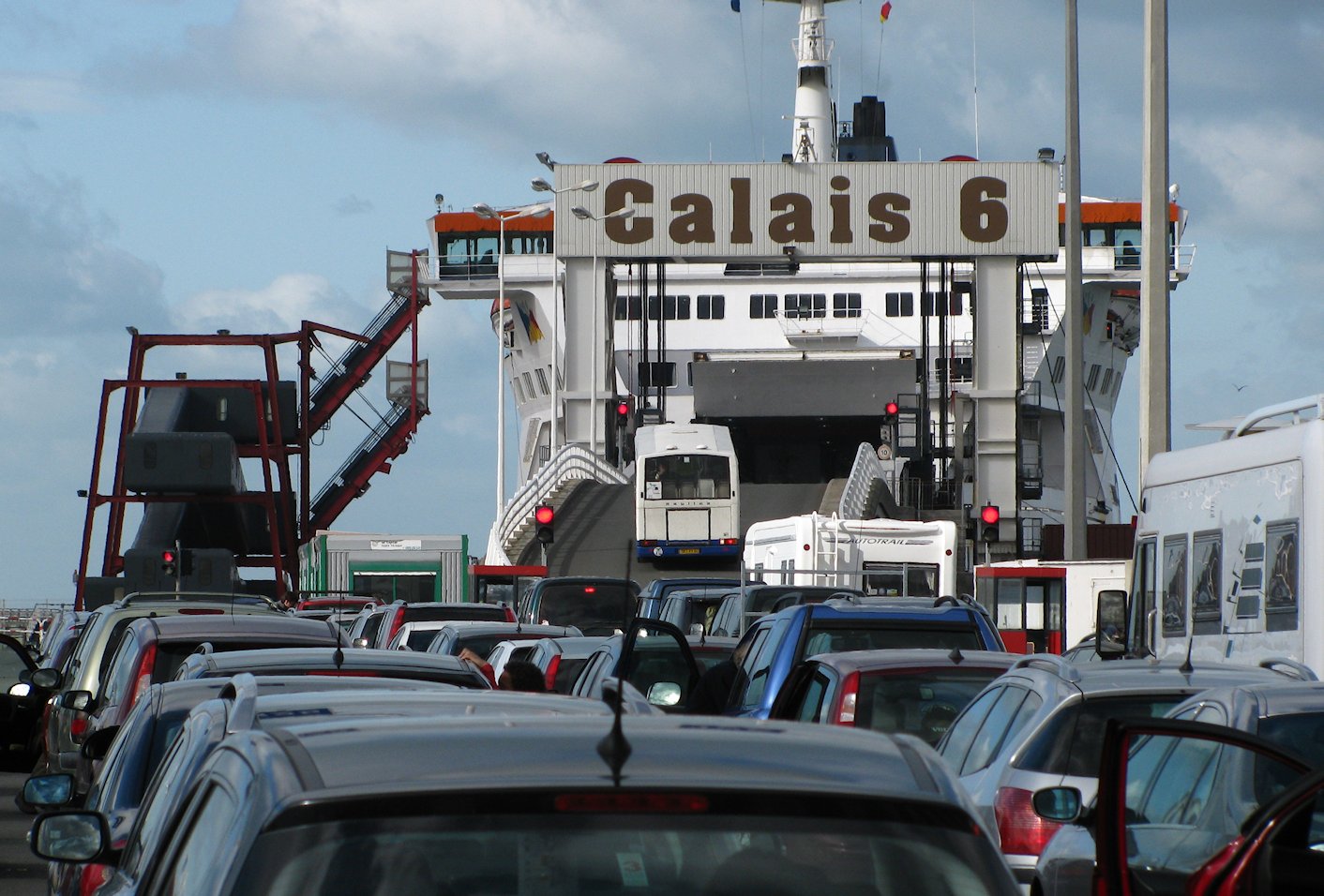
Cross-Channel Chaos – 750bhp Volvo

A wildcat strike in Calais causes as many problems for Eurotunnel as it does the ferry operators. Volvo’s new FH16 Euro 6 is still the most powerful truck in the world. MEPs vote to outlaw roaming charges and noisy vehicles, Russia presses on with its nationwide truck toll system while anything less than a two hour wait at the Gibraltar border these days must be considered a bonus.

.

CROSS-CHANNEL CHAOS.

Calais strike highlights capacity issues on the Dover Strait.

Photo @DriveEurope

Photo @DriveEurope

Striking dockers called a halt to Dover-Calais ferries earlier today.

Members of the CGT Union at the French port objected to private contractors being brought in to unload a ship, downed tools and blockaded roads from midnight.

But whereas ferry operators P&O, MyFerryLink and DFDS were able to resume limited services from mid-morning – and a full service from 14:00BST after a court order was obtained by Calais port authorities to stop the strike – Eurotunnel freight services suffered huge backlogs until late into the evening (update: services finally returned to normal at lunchtime Friday).

Eurotunnel freight had started the day on the back foot. Overnight cancellations meant there was a two hour transit time from first thing. By mid-afternoon however – despite Eurotunnel running at a full capacity six services per hour – it took truckers at least six hours to cross the Channel from France.

It’s frightening to imagine the accumulated cost of those delays.

The Calais strike demonstrates the inter-dependence of cross-Channels services, and the limited options when things go wrong (the only immediate alternative to Calais is Dunkirk, served only by DFDS, which also has strictly limited capacity).

Strikes in Calais are not common but they happen at least once a year. As we saw this winter, in bad weather similar chaos ensues. Things go seriously awry at Eurotunnel slightly more often and the same thing happens in reverse: clogged ferries and multi-hour waits for passengers and freight.

The simple truth is, neither the ferries nor Eurotunnel can cope on their own all year round. In a growing market these problems will increase. P&O and DFDS complain that Dover-Calais is currently over-served but there’s a case to say this spare capacity is in the UK’s national interest.

How much worse could the situation get without MyFerryLink?

With that in mind, we wonder whether the cross-Channel Chaos of 3 April 2014 will figure in Eurotunnel’s – last ditch – submission to the Competition Commission over the MyFerryLink deal?

.

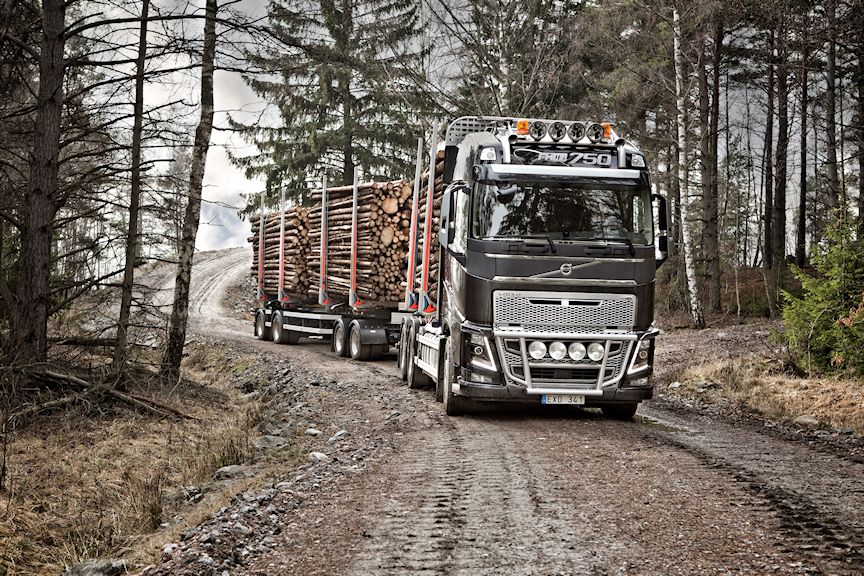
The new Volvo FH16 Euro 6: 750bhp, 3550Nm torque. 'The most powerful production truck in the world'. More later.

The new Volvo FH16 Euro 6. Emissions technology has not blunted this workhorse’s edge. At 750bhp and 3550Nm torque the FH16 is still ‘the most powerful production truck in the world’.

.

roundup: EU. Mobile phone roaming fees will be outlawed by mid-December 2015 if European lawmakers have their way. The measure still has to be agreed by member states, as does another vote to reduce vehicle noise by 25% in twelve years. Meanwhile, EVs will have to have noise generators – so-called ‘Acoustic Vehicle Alerting Systems’ – as a pedestrian safety measure. RUSSIA is pressing on with the introduction of a national electronic truck toll system, applying to 50,000km of federal highways, due to go live in November 2014 says Roadpricing. GIBRALTAR QUEUE WATCH delays hovered around two and a half hours from the afternoon to late in the evening. 2h30 is rapidly becoming the default waiting time.

.

Baltic Mega Tunnel – Finland: Right to Roam

The world’s longest tunnel is planned underneath the Gulf of Finland. Coincidentally, we take a closer look at Finland’s generous Right to Roam rules. Bulgaria’s 140kmh limit is under threat. Ireland’s toll road operators get hefty top up fees. Sevastopol in line for a new bridge now too. Macedonian roads continue their makeover while it’s a tense day all round in Gibraltar.

.

BALTIC MEGA TUNNEL

50km tunnel to connect Helsinki and Tallinn.

.

A tunnel underneath the Gulf of Finland between Finish capital Helsinki and Estonian capital Tallinn is back on the agenda.

Christened Talsinkifix – as in Tallinn-Helsinki Fixed Link – at a minimum 50km long it would be the world’s longest undersea tunnel.

After years of discussion, the EU and the local authorities have agreed to fund the first official technical survey.

With a projected cost of €9bn, and a build time of ten years, the business case has historically been difficult to make.

However, the upcoming Rail Baltica project, due to open in 2024, connecting the Baltic States to central Europe via Berlin, and starting in Tallinn, has given the project fresh impetus.

As well as bypassing Russia, another not insignificant consideration in the current political climate, a fixed link will create a cross border economic region like the Oresund Link has between Copenhagen and Malmo.

No timeframe has been given for completion of the study. Inevitably the project will include a rail crossing; whether it also has a separate crossing for cars remains to be seen. A part bridge-part tunnel a la Oresund Link is also under consideration.

note: Summer speed limits will be fully restored across Finland by the weekend, up to 120kmh on motorways and 100kmh on main roads.

.

Finland: Everyman’s Rights.

Right to Roam: 90% of Finland is open to the public. Apart from people's back yards, military installations, a thin strip down the Russian border and field s under crop you can hike, ski, cycle and drive pretty much everywhere you want, and you can camp for a couple of nights and help yourself to berries and nuts, etc. There's no off-roading allowed but you can park beside the road and pitch up. Open campfires are not allowed (but you can have a stove). Don't disturb other people,a nd respect the environment and you can basically do what you want. Click the link above for more info.

Right to Roam: 90% of Finland is open to the public. Apart from backyards, military installations, a thin strip down the Russian border and fields under crop it’s open access to hike, ski, cycle and drive. You can camp for a couple of nights, help yourself to berries and nuts, etc and swim or sail in almost all rivers and lakes. There’s no off-roading without permission from the landowner but you can park beside the road, even private roads, and pitch up. Open fires are not allowed but camping stoves are. Don’t disturb other people, respect the environment, and you can basically do what you want. Click the link above for more. Photo via Visit Finland.

.

roundup: BULGARIA’s 140kmh speed limit is under the microscope after a 21 car pileup in thick fog on the Sofia-Black Sea Trakia Highway on Monday. The limit only applies to new sections of road, and only since June 2012. IRELAND. Consternation after it was revealed the operators of the Limerick Tunnel and M3 motorway got top up payments of €8m last year to compensate for lower than expected traffic levels. UKRAINE. After the accelerated timetable for the Crimea-Russia Kerch Bridge, the residents of Sevastopol want a bridge now too. The city is located on a long narrow inlet, split into two, with an 8km round trip between the two sides. A simple 750m bridge at a cost of $485k would transform the city says Crimea’s new deputy tranmin. MACEDONIA. Following the reconstruction of 566km of roads between 2010-13, another 200km will be overhauled by 2015. ‘The country has never before seen such large investment in local roads,’ said tranmin Jakimoski, inspecting progress on the 10km stretch Ivankovci-Mamutcevo in central Macedonia due to open in May. GIBRALTAR QUEUE WATCH. Delays reached 2.5 hours at the frontier mid-afternoon as the Spanish Ambassador was summoned to the FCO in London over ‘serious concerns’ about a naval incursion off Gibraltar on 1 April.

.

A Good day for UK Truckers – Chulyshman Pole of Cold

Some imbalances in Europe’s trucking industry have been rectified. A closer look at one of the remote Russian Pole of Cold roads ahead of a high profile lecture next month. A plan to reduce speed limits could see a large scale roads protest later this month in France. A horrific accident in Norway. The EU hasn’t completely forgotten about the Gibraltar frontier queues.

.

A GOOD DAY FOR UK TRUCKERS

The new HGV Levy and more expensive fuel in Romania help level the playing field for UK hauliers

rom fuel

Photo @DriveEurope

The new HGV Levy starting today means foreign trucks pay up to £1,000 a year to use UK roads.

All hauliers pay the charge but British companies will have their Vehicle Excise Duty reduced to compensate, and can pay both in one transaction. For 90% of UK firms the charge will be neutral.

The HGV Levy varies depending on the size of vehicle and its emissions, from £1.70 to £10 per day.

Reaction from Europe has been muted though there are concerns the system has not been widely publicised. Over 36,000 vehicles have registered so far.

Hauliers in the Republic of Ireland are not happy. Sinn Fein has called for Northern Ireland to be exempted.

The levy has been welcomed across the UK industry. There have long been complaints about an ‘un-level playing field’ with other firms across the Continent where truck tolls are widespread.

Competition is felt particularly keenly from Eastern Europe where wages are lower and fuel is much cheaper.

It’s more good news then that the Romanian government today raised the price of fuel by 7c per litre.

However, as we reported yesterday, transport companies will be rebated 4c per litre after strenuous protests.

Even so, the head of Eurolines Romania, one of the country’s biggest operators, said the price rise would have a ‘devastating effect’ on the industry.

That remains to be seen. Overnight, unleaded95 jumped from €.1297 per litre to €1.389, and diesel from €1.313 to €1.405 according to Fuel Prices Europe.

.

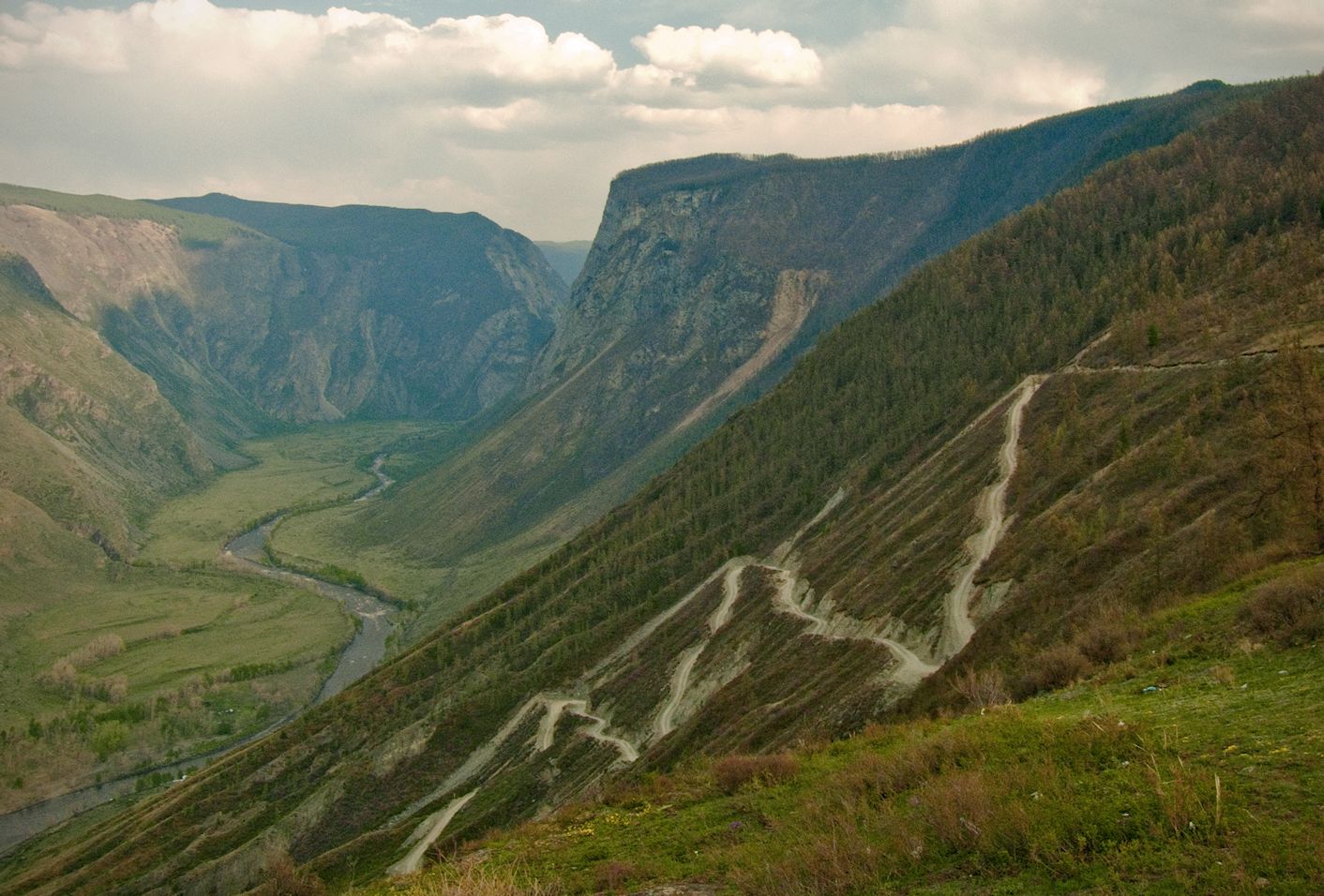
Chulyshman: a canyon and a river in the Altai Republic, south central Russia, on the border with Kazakhstan. It runs 241km into Lake Teletskoye. In summer it’s really pretty. In winter it freezes over and becomes an ice road. It was one of the roads used on this year’s Pole of Cold expedition. On 19 May, expedition leader Felicity Ashton will be giving the Monday Night Lecture at the Royal Geographical Society in London, see www.rgs.org

Chulyshman: a canyon and a river in the Altai Republic, south central Russia, on the border with Kazakhstan, running 241km into Lake Teletskoye. In summer it’s really pretty. In winter it freezes over and becomes an ice road, as used on this year’s Pole of Cold expedition. Notice the lack of tarmac on the road down (safety barriers haven’t been invented yet). For those interested to hear more about this incredible 30,000km drive from the UK to eastern Russia and back, in the dead of winter – by Land Rover Defender – expedition leader Felicity Ashton gives the Monday Night Lecture at the Royal Geographical Society in London SW7 on 19 May. Tickets are free on the door on a first come first served basis. Be there at 18:15, see www.rgs.org

.

roundup: FRANCE. A plan to reduce the main road speed limit to 80kmh could spark a nationwide go-slo on the weekend of 12 April. Organised by The Union of Road Users (UUR) – comprising the FFMC motorcycling club and ’40 Millions d’Automobilistes’ – over 100 rallying points have been organised so far. At this stage the 80kmh is still just a proposal but it was previously given the nod by former Interior Minister Manual Valls (now Prime Minister). NORWAY. The picturesque, university fjord town Volda in the south west is a little less pleasant this morning after a septic tanker tipped early on the E39 last night. Toilet paper is reportedly fluttering in the breeze. GIBRALTAR QUEUE WATCH. As delays reached two hours this afternoon, EU Home Affairs Commissioner Cecelia Malmstrom told the European parliament she was aware of continuing long queues and ‘would bring the issue to the attention of the Spanish authorities’. There is due to be a repeat visit by the EU to the frontier in May.

.

Europe’s Safest/Scariest Roads – Cascais overnight

NEWS: The latest figures show Europe’s roads continue to get safer though there are still some blackspots. Mercedes ponders free beach camping in Portugal. Dutch truckers look set for their next stage of go-slow motorway strike action. Be sure to stop at zebra crossings in Finland on Wednesday, and the highly controversial fuel price rise goes ahead in Romania tonight.

.

EUROPE’S SAFEST (AND SCARIEST) ROADS

New figures show big gains overall but some serious accident black spots.

French road safety advert: 'celui qui conduit c'est celui qui ne boit pas' - the one who drives is the one who does not drink.

French road safety advert: ‘Celui qui conduit c’est celui qui ne boit pas’ – the one who drives is the one who does not drink.

Over 26,000 people died on Europe’s roads in 2013 according to new figures out today.

That horrifying death toll is however down 8% on 2012.

After a blip in 2011 when deaths fell only 2%, EU countries overall are now back on track to hit the target of halving road deaths by 2020.

Overall, the numbers are down 17% since 2010.

The average road fatality rate (road deaths per million inhabitants) is 52 across the EU.

Sweden comes in first place with rate of 28, narrowly beating the UK on 29 and Denmark at 32. The Netherlands, historically part of the top group, will publish its figures next month.

Another country with notably safe roads is Spain on 37.

Of the major western European countries, France is at 50, Germany 41 and Italy 58.

Much further down is Belgium on 65. In the thick of former eastern bloc countries is Luxembourg at 87.

That’s worse than Latvia (86), Lithuania (85) and on a par with Poland (87) which has the – now undeserved – reputation for having the un-safest roads in Europe.

The highest death toll is in Romania at 92 road deaths per million inhabitants, the only country over 90. Neighbouring Bulgaria, with newer roads, is at 82.

The biggest fall in 2013 compared to the year before came in Slovakia, down 24%. Also notable were Austria (-15%, 54/mil) and Lithuania (-15%).

As we have previously reported, the biggest rises – apart from a one-off in Malta – were in Ireland (+19%, 42/mil) and Luxembourg (+32%, 87/mil).

This is the second year running road deaths have increased in Luxembourg. However, the European Commission says, ‘The total numbers are so small that the big fluctuations from one year to the other are not statistically significant.’

See the complete list of safety stats for all EU countries here.

.

Cascais: 'Portugal is one of the few places in Europe where you can still stay on the beach overnight,' says Italian photographer Alessandro Puccinelli in the latest Mercedes-Benz web special 'Ocean Calling: 48 Hours in Lisbon'.

Cascais: ‘Portugal is one of the few places in Europe where you can still stay on the beach overnight,’ photographer Alessandro Puccinelli tells Mercedes for its latest special ‘Ocean Calling: 48 Hours in Lisbon’.

.

roundup: NETHERLANDS. It seems disgruntled truckers start the next stage of their strike action next Monday. Details are not confirmed yet – and will have to be submitted to police – but initial plans are to assemble at many places around the country and converge on a central location. Read the background hereFINLAND. Failing to stop at a zebra crossing this week could cost drivers their licences, particularly on Wednesday – apparently that’s when most accidents occur. Police are on a particular lookout after 1,000 incidents last year. ROMANIA. Fuel prices rise by 7c/l at midnight tonight though hauliers will have 4c rebated after a protest last month. 300,000 regular citizens signed a petition against. The president made a last ditch attempt to have the move cancelled today. The prime minister says the extra revenue will be spent on road building. Unleaded costs €1.297/l today, and €1.313 for diesel.

.

Trip Planning: Iberia – Donetsk

The ferries are booked: we’re of to Iberia – Spain, Gibraltar and Portugal – in a couple of weeks. Plus, a poignant photo from Ukraine (and news about the fate of Yanukovych’s SUV collection). Diesel looks set to be ‘eradicated’ from Paris, while speeding and parking fines are apparently on hold in Geneva.

.

TRIP PLANNING: IBERIA

A week around Spain, Gibraltar and Portugal coming right up.

Having spent the last few years exploring the Balkans it’s time to turn our attention back to Western Europe.

The idea was to try out these new cheap ferries to Spain.

However, it’s all being done at the last minute – we’ve been waiting for our new car to arrive – so the Brittany Ferries economie sailings are all full.

Instead we’re doing a compare and contrast. Out by the full fat cruise ferry, Brittany Ferries’ Portsmouth-Santander, back by the bare bones LDLines Gijon-Poole.

It ain’t cheap either. Including cabins, inside outbound, outside inbound – that’s what they had left – the combined fare is £675.

That does probably save a night’s accommodation each way, and 1,500 miles of fuel, so it’s not an outrageous price compared to driving the whole way but does feel a bit hefty all in one go (you can book Brittany Ferries trips with a small deposit and pay the rest later).

We wouldn’t normally recommend letting the ferry take the strain but the idea of having enforced rest at either end is very attractive – the sailings are about 24 hours – so we don’t have to hold back during the trip itself.

That said, this won’t be a mega mile marathon. The Iberian Peninsula is only about 500 miles deep by 600ish wide. Guestimated total mileage is about 2,000 miles. In a week that’s nothing.

As ever we’re planning a mix of roads, mountains, motorways, coastal, city and even a bit of desert driving if we can find it.

The fixed points are Madrid, Gibraltar and Lisbon.

Madrid is having a bit of a tourist depression so we’re hoping to score a bargain fancy hotel room. We also want to see for ourselves the situation at the Spain-Gibraltar frontier and check out The Rock. If I said we were going to Lisbon to check out its Low Emission Zone you wouldn’t come back, so how about we’re giving The City of Seven Hills a chance to cast its graceful spell, or something? Also quite interested in the role it played as a neutral centre of espionage in WW2.

We’re also strangely drawn to Santiago de Compostela, or at least somewhere nearby on the craggy, wild Atlantic coast in north west Spain. That’s if we don’t get side tracked on the Ronda Road and Veleta, Europe’s highest paved road, near Granada. Let’s see how it works out.

.

Ukraine: pro-Russia supporters push their ZAZ Zaporozhets through the streets of Donetsk. There was a plan last week to hold a referendum in the south east industrial city, about 50 miles from the Russian border, about joining the UK. Donetsk was founded in 1869 by John Hughes, a Welsh businessman. Photo by Андрей Шокотко, Andrew Shokotko.

Ukraine: pro-Russia supporters push their ZAZ Zaporozhets through the streets of Donetsk. There was a plan last week to hold a referendum in the south east industrial city, about 50 miles from the Russian border, about joining the UK. Donetsk was founded in 1869 by John Hughes, a Welsh businessman. Photo by Андрей Шокотко, Andrew Shokotko.

.

roundup: FRANCE. The future of the diesel engine in Paris looks very bleak. Anne Hidalgo – who promised to ‘eradicate diesel’ – won the Paris mayor contest for the Socialist Party this evening, apparently after making a deal with the Green Party.. GENEVA. Police have stopped handing out fines for small scale offences like speeding and parking in a strike over pay. A similar strike in 2012 lasted two weeks. UKRAINE. Former-President Yanukovych’s fleet of blacked out SUVs has gone to a good home, sort of: Right Sector, the extreme right wing part of the Maidan freedom movement, is currently driving around in them ‘until the government auctions them off’.

.

economie Mishap – Spain: Bribery and Corruption – What a Cock

Brittany Ferries’ brand new ‘economie’ UK-Spain ferry service gets off to a disappointing start this morning. The cost of international car launches is eye-watering, and eye-opening. Our new Range Rover Evoque gets its first taste of the countryside.

.

Oh dear: the first sailing of Brittany Ferries’ economie service from Portsmouth to Santander, Spain, had to be cancelled this morning after a technical mishap. According to a twitter exchange between the company and a member of the BF Enthusiasts club, there was a ‘cable problem with the stern door. One was fixed then another one also failed.’ Brittany Ferries told another passenger they were waiting for a spare part which should arrive soon. Passengers have been offered alternative sailings tomorrow (Sunday).

False start: the first sailing of Brittany Ferries’ brand new, low cost, ‘economie’ service between the UK and Spain was cancelled this morning after a technical mishap. According to a twitter exchange between the company and a member of the BF Enthusiasts club, there was a ‘cable problem with the stern door. One was fixed then another one also failed.’ Brittany Ferries told another passenger they were waiting for a spare part which should arrive soon. Passengers have been offered alternative sailings tomorrow (Sunday). Fares on the no frills ferry start at £169 one way for two+car, not including cabin, between Portsmouth and Santander. The 26 hour crossing leaves Portsmouth Saturday morning and returns Sunday afternoon.

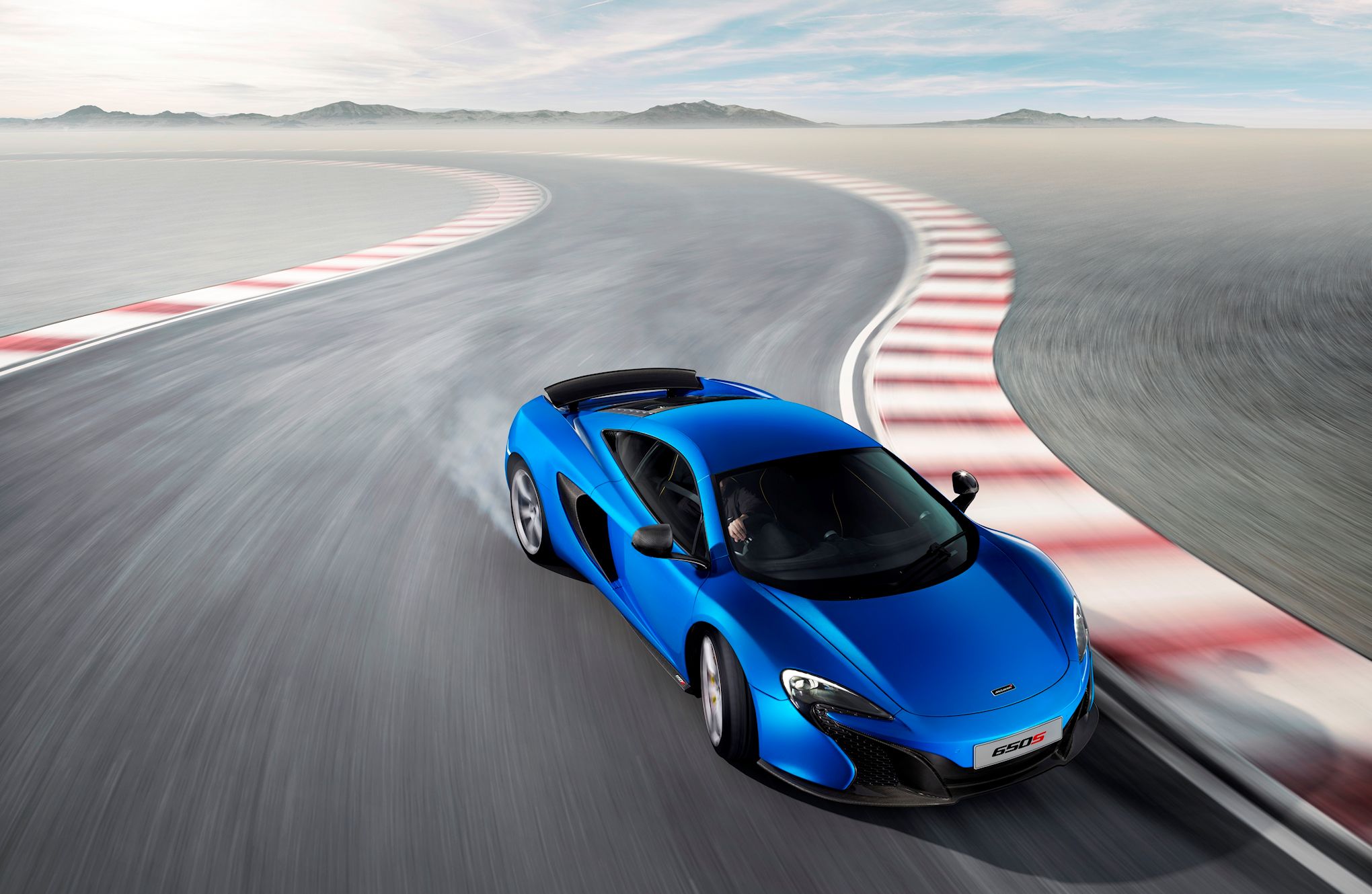
Bribery and corruption: eye opening allegations from Autocar’s Steve Sutcliffe after the launch of McLaren’s 650S in southern Spain. In a blog post speculating about the cost of international car launches, the hugely respected road tester implies three times that one of the outgoings is ‘the palming of notes to the local constabulary’. Car launches are indeed expensive. It was revealed recently that Mercedes-Benz will spend €8m on hotels alone this winter in the nearby Algarve. Meanwhile, the Spanish government is closing on a deal to rescue its ailing toll road operators. A state highway corporation will bring together nine ailing road companies and forgive half their combined €4.4bn debt in exchange for a 30 year bond. The banks have until Monday to agree.

Bribery and corruption: eye opening insight from Autocar’s Steve Sutcliffe after the launch of McLaren’s 650S in southern Spain. In a blog post speculating about the cost of international car launches, the hugely respected road tester implies three times that one of the outgoings is ‘the palming of notes to the local constabulary’. Car launches are indeed expensive. It was revealed recently that Mercedes-Benz will spend €8m on hotels alone this winter in the nearby Algarve. Meanwhile, the Spanish government is closing on a deal to rescue its ailing toll road operators. A state highway corporation will bring together nine ailing road companies and forgive half their combined €4.4bn debt in exchange for a 30 year bond. The banks have until Monday to agree.

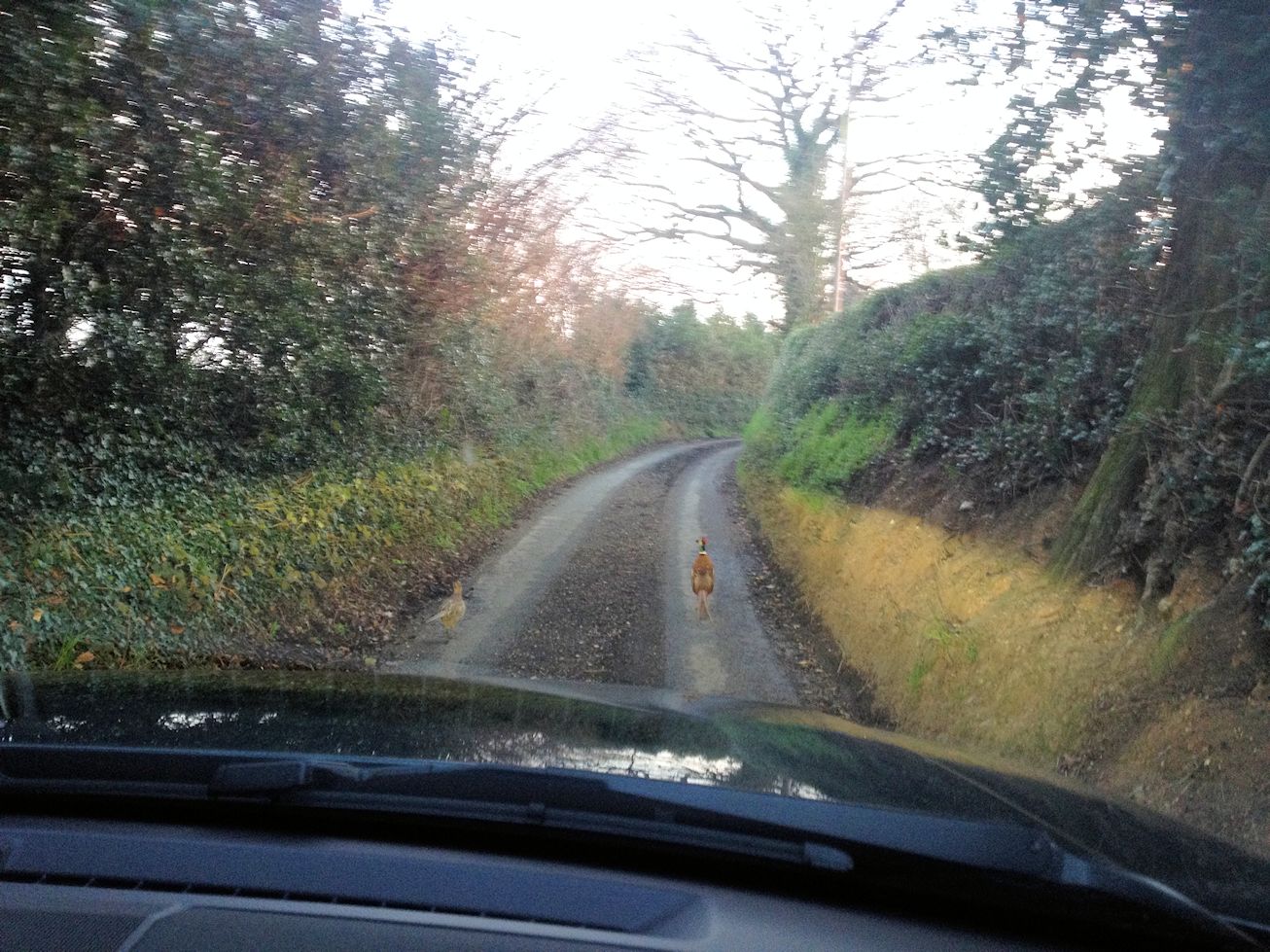
What a cock: it has yet to venture genuinely off-road, but critics will be heartened to hear that our new Range Rover Evoque has already come into direct contact with nature. Amid the wealth of driver aids, including country lane cameras which peer out from the front bumpers to give the dri

What a cock: it has yet to venture genuinely off-road, but cynics will be heartened to hear our new Range Rover Evoque, delivered Thursday, has already come into direct contact with the countryside. Despite the wealth of driver aids, including country lane cameras which peer out from the front bumpers to give a keener view of approaching traffic at tight junctions, there doesn’t seem to be anything specific to clear pheasants out of the way. The WADAR flood sensor might mean @DriveEuropeDog now gets to keep his paws dry but hearteningly he hasn’t been made completely redundant, yet. More later, in fact for the next three years at least.

.

EU drops road toll plan? – Who you gonna call?

The European Commission signals a significant change in its approach to roads. Distinctive new police cars take to the streets of Crimea. 15 year olds could be allowed to drive in France, a new road to link Skopje and Pristina, Brussels starts to revamp its parking rules, and Ed Miliband comes out swinging for Gibraltar.

.

EU DROPS PAY-AS-YOU-GO ROAD TOLLS?

Did the German ‘foreigner vignette’ put paid to road charging?

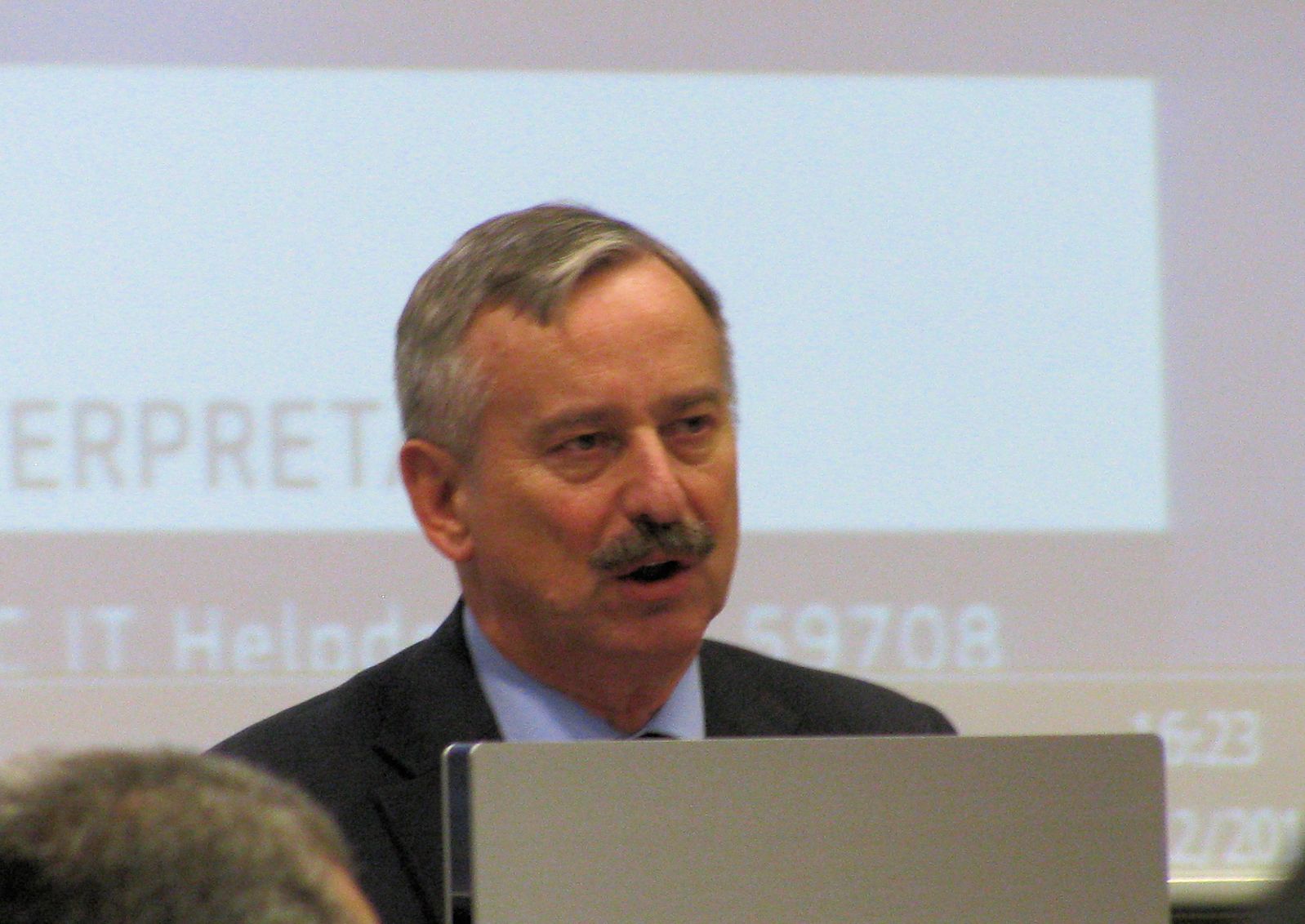
EU transport commissioner Siim Kallas at the Brussels 2012 Road Charging Conference. Photo @DriveEurope.

EU transport commissioner Siim Kallas at the Brussels 2012 Road Charging Conference. Photo @DriveEurope.

This time last year the EU was preparing for pay-as-you-go road tolls across Europe.

Following a continent wide consultation, and a conference in Brussels at the end of 2012, the fine details were due to be published in June 2013. That date came and went, as did the next deadline of October/November.

The Commission envisaged a state-of-the-art electronic system, likely governed by GPS. Charges would vary by time of day and vehicle emissions, among other things, to price congestion off the roads and tackle pollution and even noise. It would also take a cut of the revenues to address ‘decades of chronic underinvestment’ in the road network.

A simple, silver bullet style solution to tackle all the ills of modern motoring. If only politics was so straightforward. Last week the Commission signalled a rethink.

Speaking to the Transport Business Summit in Brussels yesterday (Thursday), Transport Commissioner Siim Kallas said, ‘The widespread view has been that EU transport policy should limit the use of roads as much as possible, in favour of other forms of transport.

Perhaps this view has been too narrow.’

Kallas still sees a role for road charging but it is now cast as a simple access charge to use infrastructure, such as airlines and railways pay, for instance.

So what could have changed the Commission’s mind?

It’s impossible to ignore the fact that the Germans are absolutely dead set against pay-as-you-go charges for private citizens. Along with high inflation, any form of state surveillance is a red line in German politics. Both are hangovers from the Nazi era.

During the recent hunt for the autobahn shooter, police were denied access to data from the electronic truck toll system over privacy concerns. Instead they had to build their own highly regulated, entirely separate network of cameras, at vast expense, as they narrowed down the search. It’s partly why it took them eight years catch him.

They are not against road charging per se though, far from it. The ADAC motoring club told the 2012 conference that over eighty percent of its members were in favour. The German MEP who spoke continued to extoll the virtues of the vignette – an annual charge allowing drivers to use the roads – as if Commission members had not spent all day describing vignettes as mere ‘blunt instruments’.

Vignettes might create funds to tackle road maintenance, a particular issue in Germany, but they cannot influence traffic flows.

Within a few months the roads vignette became a hot topic in the German general election campaign. Despite few taking it seriously it is now official government policy – payable by foreign drivers only, at least for the moment – with legislation expected before the summer break.

Last year, the Commission would not answer our questions last year about how the German vignette affected its plan for integrated pan-European road tolls. Kallas did not make any specific reference to the German vignette in his speech although he had earlier said,

‘Over the years, Europe has seen many good ideas and plans for improving its transport systems. But we often encounter huge opposition to some of these ideas, so they often end up either delayed or diluted… Time and again, strong Member State and industry interests together adopt a purely national, short-term perspective.’

The German ‘foreigner vignette’ is annoying but the silver lining looks like the end of pan-European road tolls. They would have made driving from one end of the continent to the other ruinously expensive. It does however raise the prospect of a EuroVignette for cars, similar to the charge trucks currently pay to drive in a bloc of European countries.

One thing is for sure. One way or another, individually or collectively, many/most European goverments have to deal with the state of their ageing roads. They either accept them as a core responsibility and pay for building, maintenance and improvement out of taxpayer funds, or get on with ‘user-pays’ funding arrangements – tolls, vignettes, whatever.

Another outstanding question is Belgium. After having their idea for a vignette publicly rubbished by the Transport Commissioner in summer 2012 they quickly dropped the idea and instead started to look at GPS pay-as-you-go tolls. The system is currently undergoing a large scale trial.

It will be interesting to see how the Commission’s latest thinking affects the new Belgian government’s final deliberations after its general election in May.

.

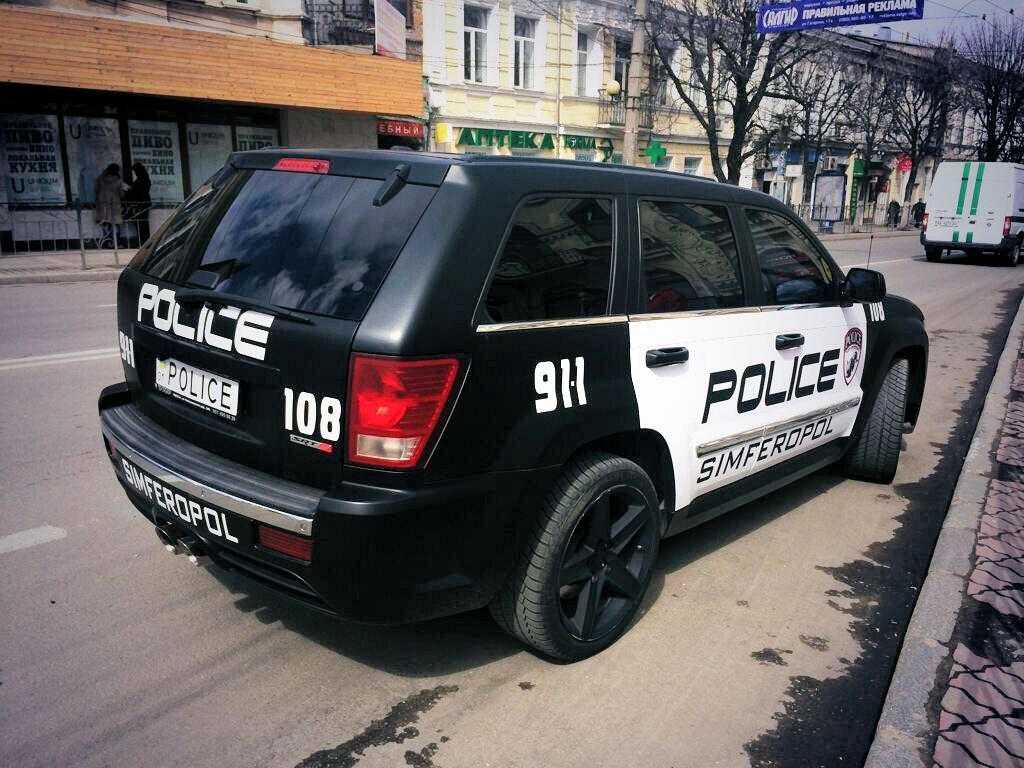
Simferopol: introducing the new-style Crimea police car.

Simferopol: introducing the new-style police car for Crimea.

.

roundup: FRANCE allow 15 year olds behind the wheel with an accompanying adult in a bid to get young people used to the roads earlier, and dissuade them from riding mopeds. KOSOVO. Building on a new highway between capital Pristina and Skopje, capital of neighbouring FYRO Macedonia starts next week. The €600m, 90km road will take 42 months to build. BELGIUM. New parking arrangements start in Elsene (Ixelles), south Brussels, on 1 April. The Brussels Capital region is gradually harmonising rates and zones – orange, max 4.5hr, blue, free with a time disc, red, charged 09:00-20:30 up to €5 for two hours. The half day charge is now €25 (multi-stories are cheaper). The idea is short stay is cheap, long stay ruinously expensive. Other Brussels regions should follow suit by September (see more here, Dutch only). GIBRALTAR. Labour leader Ed Miliband says the border queues are a ‘deep concern’, ‘unacceptable’ and that resolving the issue should be a priority for Britain according to GBC News.

.

Closest autobahn to Britain – Auto Blu

As France threatens an ever more draconian crackdown on speeding why risk it when derestricted Germany is so close by? Italy flogs off its fleet of official limos. Belgium comes up with a sure fire way to keep Bad Dads on track. Plans for a swish new rest stop in Denmark, Audi’s A3 e-tron will be genuinely zero emission, PSA signs up with IBM, Greece rolls out free wifi, and it was a good day at the Gibraltar-Spain frontier.

.

THE CLOSEST BIT OF AUTOBAHN TO BRITAIN

Don’t risk your licence in France when you can go as fast as you like in Germany.

The German border near Aachen, from the A4 to Cologne, the closest autobahn to Britain.

The German border near Aachen, from the A4 to Cologne, the closest autobahn to Britain.

Don’t speed in France this summer. They might be having trouble with their speed cameras at the moment but, make no mistake, come the holidays the police will be out in force.

Get caught at more than 40kmh – 25mph – above the limit and your licence is at risk. Just ask Jeremy Clarkson.

But why put pedal to the metal on French roads when just across the German border you can go as fast as your car, skills, nerve and the conditions allow?

Around 200 miles from Calais – half a day’s drive via Brussels – is the A4 at Aachen. It’s not just the closest bit of autobahn to Britain, it’s the closest bit of derestricted autobahn too.

The only problem is that, like most German motorways, the A4 is dual carriageway. Not great for high speed runs, especially for novices. There’s the odd three lane section (and a lot of road works at the moment too) but the road doesn’t open out properly until the Michael Schumacher Kart Centre at Kerpen.

It’s only about another five miles before you hit the city limits of Cologne. So where next?

The A4 doesn't open out until you're within sight of Cologne. Photo @DriveEurope.

The A4 doesn’t open out until you’re within sight of Cologne. Photo @DriveEurope.

The authority here is Clemens Gleich. His ePamphlet ‘The Traveller’s Guide to the German Autobahn’ is essential reading, not just because it only costs 79p, and he details some of the mechanical issues you need to be aware of, but because he pinpoints the best locations.

What you need is a wide, quiet, long, ideally straight stretch in the middle of nowhere. Gleich’s pick nearest Cologne is the A7 through the Kasseler Berge (Kassel Mountains) between Bad Bruckenau and the A38 junction – Autobahndreieck Drammetal – south of Gottingen.

‘Bring an amount of horsepower you would consider ‘too much’ at home, otherwise you might leave the A7 a very frustrated man,’ he says. ‘If you don’t manage to max your car on these roads you need a slower one. Or bigger balls.’

For the other good stretches see the book. In general, Gleich recommends eastern Germany (a good one is the A9 at Dessau where the last land speed record attempts were made before the war). There’s also the A71 just to the east of the A7, the BMW test loop near Munich, the A27 between Bremen and the coast and the A7 from Kiel to the Danish border.

Our personal recommendation would be the A2 between Hanover and Berlin. Wide, flat, straight and typically quiet, 125mph is an easy cruise.

.

.

Roundup: BELGIUM. Pay alimony or lose your driving licence says the government. DENMARK. A new secure rest area off the E20 between Koge and Ringsted, on Zealand south of Copenhagen – replacing three existing areas but with more truck capacity and space for 64 cars – gets EU cash. It’s also not far off E47 to the Rodby-Puttgaden ferry. Should open December. CARS. Audi offers carbon-free electric charging in Germany for A3 e-tron drivers (and their homes). PSA Peugeot-Citroen signs a deal with IBM for in-car connectivity services while Greece rolls out free nationwide wifi from November. GIBRALTAR QUEUE WATCH. A good day. The maximum delay was just 50mins.

.

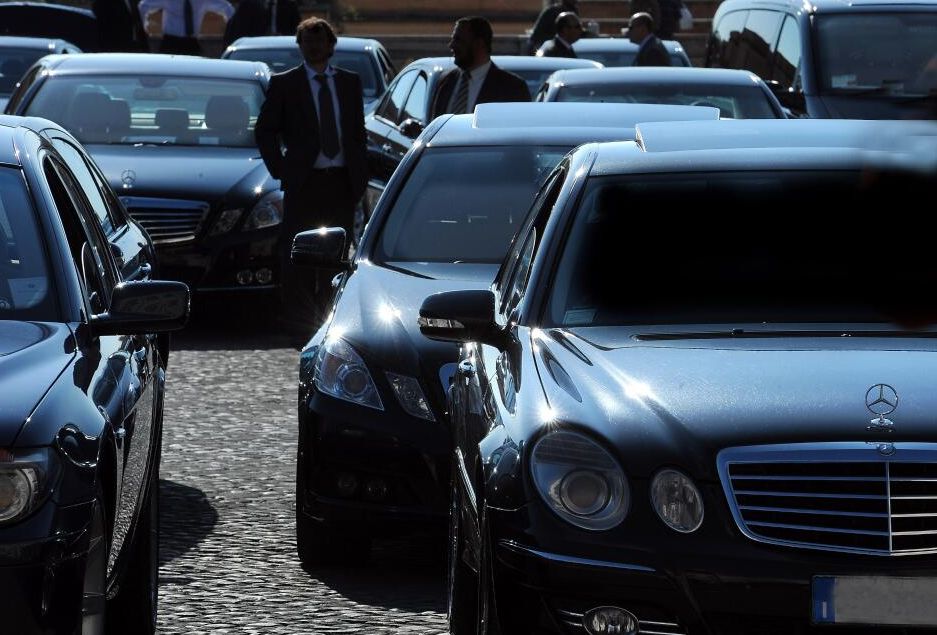
Auto Blu: the Italian government has started to sell of its fleet of 'blue cars', chauffeur driven limos used by politicians which irk other motorists as they are waved through traffic jams, symbolic of a self-serving elite. The first batch of 25 are on ebay.it now, a varied bunch including a couple of Jags, Mercedes, Lancias and, of course, Maseratis, all painted that fetching shade of dark, dark blue.  151 will be sold by mid-April. Search 'Le Auto Blu del Governo'.

Auto Blu: the Italian government is selling off its fleet of ‘Blue Cars’. The chauffeur driven official limos irritate other motorists as they are waved through traffic jams and have become emblematic of a self-serving elite. The first batch of 25 are on ebay.it now, a varied bunch including a couple of Jags, Mercedes, Lancias and, of course, Maseratis, all painted that fetching shade of dark, dark blue. 151 will be sold by mid-April. Search ‘Le Auto Blu del Governo’.

.

France: ruthless efficiency – Audi Do

Politicians and papers proclaim the effectiveness of France’s speed cameras despite a surely lamentable strike rate. Audi launches its 2014 sports car racer with a gentle drive through Le Mans. Eurotunnel carries a landmark truck, new road signs in Hamburg to improve safety and tackle congestion plus record Gibraltar queue misery.

.

FRANCE RADAR CARS. RUTHLESSLY EFFICIENT?!

A sixty percent strike rate claimed as a success.

An employee of Securite Routiere demonstrates how the unmarked camera cars have radar devices hidden behind their number plates.

An employee of road safety agency Securite Routiere demonstrates how radar devices are hidden behind the number plates of unmarked police cars. Screen grab from lefigaro.fr

Even after being caught, drivers in France have a forty percent chance of getting away with speeding offences.

Figures released today say that out of the 300,000 drivers flashed by the unmarked mobile camera cars, introduced last March, only 180,000 – 60% – were prosecuted.

(For some reason however, the French press today praised the cameras’ ‘redoutable efficacité’ (ruthless efficiency). And claimed a strike rate of 66%, adding it was a better conversion rate than traditional fixed cameras. Go figure.)

Around 70,000 of those caught were in Paris or the Ile de France capital region with nearly 20,000 in Moselle, north east France, and another 15,000 in Bouches du Rhone in the south east.

The 120,000 caught but not prosecuted reportedly had ‘barely legible’ registration plates.

The French police currently have a fleet of over 100 unmarked Renault Meganes and Peugeot 208s equipped with radar cameras. With a new batch of Citroen Berlingos coming on stream in June they hope to have 200 in total by the end of this year and another 100 in 2015.

The cars have cameras hidden in behind the front and rear number plates to scan drivers in opposite lanes on main roads, as well as on motorways.

British, Irish and Danish speeders should not fear penalty notices falling through their letterboxes after returning home. As previously, they have to be caught in the act to be prosecuted.

It’s been a bad week for French speed cameras. On Monday it was revealed ‘dozens’ of penalty notices had been sent to the Belgian king because the cameras could not distinguish between the royal number plate – 1 – and those on regular cars, which mostly now start with a 1.

.

time Le Mans winner Tom Kristensen gave the new Audi R18 e-tron quattro its first public outing yesterday. The diesel hybrid drove 10km from the Saint-Julien du Mans cathedral in the city center to the famous race track. R18 will be driven in anger for the first time on 28-29 March at test at Paul Ricard, South of France, ahead of its race debut at Silverstone on 20 April, round one of the FIA World Endurance Championship (WEC). Le Mans itself takes place 14-15 June.

Nine time Le Mans winner Tom Kristensen gave the new Audi R18 e-tron quattro its first public outing yesterday. The diesel hybrid drove 10km from the Saint-Julien du Mans cathedral in the city center to the famous race track. R18 will be driven in anger for the first time on 28-29 March at test at Paul Ricard, South of France, ahead of its race debut at Silverstone on 20 April, round one of the FIA World Endurance Championship (WEC). Le Mans itself takes place 14-15 June.

.

EUROTUNNEL. The 20 millionth truck to use the ‘world’s leading rolling motorway’ since it opened on 25 July 1994 crossed from France yesterday. The truck belongs to Emons Cargo, a non-stackable freight specialist from Milsbeek, east Netherlands, which has distinctive ‘2WIN’ branding. GERMANY. 642 new signs placed at eye level every 500m along major roads in the Hamburg region – detailing the road name, direction, and the distance from the road source – will improve safety and congestion by making it easier for drivers to give their location after accidents and mishaps say the authorities. Rolling out this year. If successful could spread to other major roads in Germany. Similar to a project on-going in Russia. GIBRALTAR QUEUE WATCH: three hours, the longest delay this year, and just for cars – pedestrians and bikes cross the frontier without queuing.

.