Bumper news P2: new ferry passenger rights; ferry special offers; Cop ‘speed marathons’; winter tyres; free French motorways

7849aAs of yesterday (18 Dec) all EU ferry passengers have new rights when faced with delays and cancellations due to the operator. Weather related incidents are excluded. The rights include compensation of ticket price, the proportion depending on the length of delay, and free overnight stays in case of cancellation. Also, disabled access. Full details should be supplied onboard.

Channel operator DFDS is being quite aggressive with its special offers this week: book by 14 January 2013 using this offer code to get 20% off all trips until 20 December 2013 (terms and conditions apply). Its multi-trip offers can mean fares from £19 each way (over 12 trips) or from £27 each way for 3-4 trips (a £30 each way supplement applies to peak dates). Lastly, from now on you can catch the ferry just before, or just after, the one you were booked on, for no extra charge.

Commercial shipbuilding returned to the UK after a five year absence on Monday when an innovative hybrid ferry was launched on the Clyde. UK shipbuilding has been confined to defence and private yachts in recent years. Scottish operator CalMac also unveiled plans for the world’s first ferry powered by hydrogen fuel cells.

Luxembourg introduced new rules on winter tyres last week. In snowy and icy conditions, winter tyres will be mandatory (though all-weather tyres will be acceptable). Summer tyres will still be legal otherwise.

A networking conference for European police forces saw Finland adopt a German-style ‘speed marathon’ campaign this week. The 24 hour blitz saw 3,950 drivers breathalysed (only 8 over the limit) and 32 banned. Citizens were notified via Twitter and Facebook and were able to nominate hotspots. Portuguese police picked up on the idea too. Expect to see it here soon.

More trouble on the Serbia – Kosovo border this week as ethnic Serbs protested about new import duties.

Knowing which autoroutes are free is handy to know when driving through France. We’ve found a map (free roads shaded in grey) from ASFA, the road operators’ association. We also have a map of the free Italian autostrada which we cannot bring you because of a technical issue… the mainland free roads are restricted to the Rome ring road, and the A3 from Salerno in the south to Reggio di Calabria on the very toe of the country. Approximately half of Sicilian motorways are free, in the west and centre of the island.

Bumper News: new Z4; ace residuals; Lotus Hungaroring; Swiss road test, escorted tours 2013

2013-bmw-z4-6BMW has updated its Z4 two seater for 2013, including a new entry level 154bhp two litre engine, and snazzy new LED headlights. No word on prices yet, the range currently starts at £29,485. Deliveries start in April.

Remarkable Evoque residuals: Autoexpress says its long term Land Rover Evoque, which cost £40,495 in March 2012, is now worth £39,500 as a trade-in. This means the Evoque is effectively appreciating, still, fifteen months after launch. On a similar subject – with reference to our piece on the Tesla Model S last week – research in America says electric car residuals are not as bad as feared. Taking into account the government incentive may even put them ahead of their conventionally powered rivals.

Did you know there was a Lotus Driving Academy at the Hungaroring near Budapest, Hungary? Hmmm. Despite its recent troubles Lotus has completed refurbishments on its famous Hethel racetrack in Norfolk, where it will also host driver training.

Great article on pistonheads.com about the 158,000 often continental miles a reader has done in his 1990 Porsche 911 Carrera 4 Cabriolet. The car enthusiast website will again partner driving tour operator Petrolhead Nirvana next year, with three trips so far, in Europe and America. For the nervous, rest assured they will ‘take care of everything’ and there is ‘a lead and a chase car with full communication to all drivers in the group’. Prices start at £1,599 per person (plus tolls & fuel).

A proposal to water down noise regulations for sportscars was narrowly voted down in the European Parliament this week. The proposal had already come under fire after it emerged it was written by a Porsche engineer. Sportscars will have a higher noise limit than regular cars when the proposals come into force (TBA). See the Commission’s proposal here.

Ahead of driving in Switzerland take this short on-line test on road regulations put together by the Swiss Touring Club (in English). The graphics are a bit 80’s but we found it useful – it tests things like Priority from the Right. Recommended.

Winter driving courses. Try before you die. Or, they make great Christmas presents. From £79

4303aIf you want to upset somebody this Christmas buy them lessons from the Institute of Advanced Motorists. However good your intentions – they save money on your insurance! – it won’t go down well. Trust me.

Winter driving courses though are a completely different kettle of fish, a fun way to acquire useful skills and expand your repertoire.

One thing they don’t do – so far anyway – is reduce your premium. In other bad news, there aren’t that many winter driving courses in the UK. No reliable snow means complex equipment like kick plates or Scandinavian cradles to simulate slippery surfaces, plus the whole sector was badly credit crunched.

The good news is that courses start at £79, they are held all around the country, and there’s something for everyone: no-frills tuition, a family day out or stag-do style entertainment.

To practice on actual ice and snow you have to go abroad, though the options here include a high speed one-on-one with a rally legend in the Arctic Circle.

For tips on winter driving see here and here. If you know of a course not included below please let us know.

SCANDINAVIAN CRADLE

D&S Events, Donington Park, J23a M42
Professional driver trainers who also teach regular motorists, at the historic racing circuit in the East Midlands. From £79. Also group/corporate deals. Phone 01332 810007 or enquiries@dandsevents.co.uk

Rockingham Motor Speedway, Corby, Northants
Now open to even 17 year olds with a full driving licence, £99 gets you 30 minutes in-car tuition and 10 minutes briefing. Phone 01536 271 273. Between the M1 and A1(M) near Leicester.

LOW FRICTION SURFACE

Prodrive, Warwickshire, J5 M42
Using Prodrive’s own proving ground, includes a 15 minute briefing, 15 minute demo, 30 minutes at the wheel in a 90 minute driving session (the rest as a passenger) and a 20 minute debrief. Groups 2/3. £125 per person own vehicle, £150 per person in Prodrive vehicle. 01676 536100 or email events@prodrive.com

Mercedes-Benz Brooklands
Winter driving courses are one activity of many at Mercedes-Benz World in Surrey. Choice of front, rear or four wheel drive cars, manual or automatic. Courses ‘tailored to each individual driver’ so price depends. Last year winter courses were £99.

Porsche Experience
As you would expect, the Porsche facility at Silverstone, alongside the Hangar Straight, is a state of the art track with all the toys, including kick plates and an ice hill. Porsche offer two courses, both cost £165 and you can use your own car (or a Porsche). See YouDrive@Porsche for groups, or YouDrive@Porsche One-to-One. Held only on certain dates/ times.

Land Rover Experience
Land Rover no longer offers regular winter driving courses but will provide tuition on an individual basis at its eight locations in the UK. The company also runs an annual Nordic Adventure but the closing date is now past.

4306aTHE REAL DEAL

BMW, The Alps
It’s arguably too late by the time you reach the skiing resort, but winter driving lessons are part of the comprehensive BMW winter sports programme at several resorts in the Alps.

Juha Kankkunen Driving Academy, Finland
The four time world rally champion now runs a driving school in Kuusamo in central east Finland, about 20 miles from the Russian border. It offers a full range of winter driving courses up to co-driving the master himself down a five mile forest rally stage. Not cheap, prices start at €1,400 per day, not including flights and accommodation (available locally).

Below Zero Ice Driving, Sweden

Vying with Kankkunen is the driving arm of Francis Tuthill, the Oxfordshire Porsche specialists (911s are definitely the ice driving car of choice). Based beside a lake in Åre, west central Sweden near the Norwegian border. It can be another five star experience, sharing accommodation and nightlife with the nearby popular ski resort. They can even put you in touch with a private jet company. Prices start at £1,750 per person per day with trips up to three days long. Fully tailor made packages with four separate circuits or rally stages to practice on.

National Motoring Clubs
National Motoring Clubs in mountainous or snowy countries routinely offer winter driving courses, like Switzerland’s TCS, at locations all around the country. Generally only for native speakers. Click above for a list of European motoring clubs and contact details.

Don Palmer, Norway
Persuasive types could coax international driver coach Don Palmer out of semi-retirement. This won’t be cheap either, his prices started at £1,100 per person per day (up to £3,625pp) in Norway. Contact him on Twitter @dalaipalmer or by email don@donpalmer.co.uk

Do you have a grip on The Great Tyre Debate? We think we do: All-weather tyres

OLYMPUS DIGITAL CAMERAThe great British climate has done it again. Our weather presents us with a succession of tricky decisions on a daily basis, from dithering about what to wear to wondering if it’s worth risking a barbeque.

The latest quandary, after a run of difficult winters, is whether to invest in a set of winter tyres. All the motoring magazines are full of articles about the whys and wherefores.

Winter tyres are designed to work best below 7°C. Made of a softer compound rubber, with a more intricate tread pattern, they improve grip at low temperatures. Nobody doubts that they work as countless tests have demonstrated. Buying a set guarantees surefooted driving between October and March.

A consensus is beginning to emerge. From making up 3% of the tyre market in 2011, so far this year Michelin reports an 82% rise in winter tyre sales. Increasingly, drivers are deciding to swallow the upfront investment, benefit from the peace of mind and recover the money steadily over a couple of seasons.

You might think driving regularly on the Continent – especially if that includes a trip to the ski slopes – tips the balance further. Last week’s news that winter tyres are now compulsory in Luxembourg is a good case in point. Look behind the headlines though and it’s not so black and white.

Exactly like Germany, in Luxembourg winter tyres are only compulsory in snowy and icy conditions. Otherwise, whatever the temperature or time of year, summer tyres are still legal.

Intriguingly though, even in snow and ice, All-weather tyres (marked with a combination of M and S, for mud and snow) are also perfectly acceptable. Could these be the answer?

4305aDespite what you might expect, even in a country where weather-wise virtually anything is possible, in the UK most cars are supplied with summer tyres. The reason is cost. All-weather tyres can be up to 20% more expensive, and their greater rolling resistance increases fuel consumption (but not dramatically; it’s also a misconception apparently that all-weather tyres wear quicker than their summer equivalents.)

Overall Which Tyres? blog says ‘Many tyre manufacturers and independent testers believe that all seasons are particularly suited to UK conditions.’

There are extra costs associated with winter tyres too. Storage of summer tyres can be an issue (BMW charge £30). Buying another set of wheels to go with your winter tyres bumps up the cost considerably, particularly if you want to replicate your fancy standard alloys (Car magazine spent £4k on direct equivalents for its Porsche Panamera). Some ‘tyre hotels’ won’t store wheels (Kwik-fit for instance). Either way it costs time and money to swap tyres over. (What winter tyres won’t cost you is an extra insurance premium – see here – though your insurance company might need to know if you fit them.)

After mulling this issue for a while we think All-weather tyres could be the solution for us. What will you do?

Electric cars could revolutionise driving holidays: cheaper, faster. More luggage space!

1281aThe Tesla Roadster linked up to a charging point in the middle of Amsterdam in September was, we thought, a glimpse of something quite quaint. A trendy urbanite – rich, obviously – was indulging a futuristic eco-lifestyle to the nth possible degree. The Roadster costs £102,000.

Just three months later though, the news that the company’s new ‘Model S’ has driven 423 miles on a single charge has us thinking seriously about electric cars for the first time.

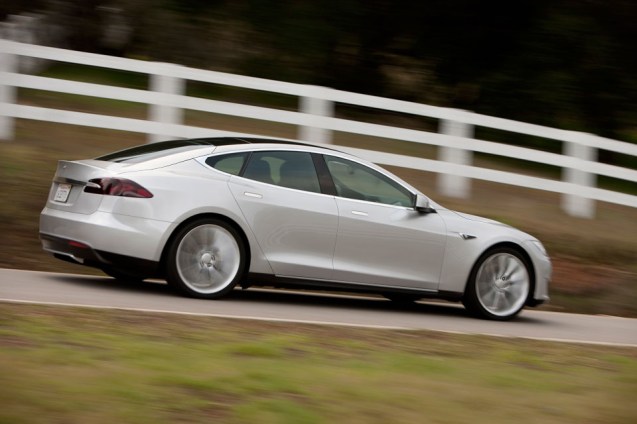
model sOk, we should wait for the Guiness Book of Records’ confirmation. Even the man involved admits he drove at 25mph for seventeen hours. But US magazine Motor Trend covering 234 miles in five hours continuous driving confirms Model S does have real-world stamina. The makers claim 300 miles at 55mph.

The big revelation though was that it completed the course for a third of the cost of the BMW 528i chase car.

Bear in mind that a quarter of the budget for our 2,200 mile round trip to Denmark and Sweden went on fuel, and that included a couple of five star hotels.

Maximising the range means you won’t take advantage of the car’s 0-60 in 3.9secs. And a top speed of 130mph doesn’t really cut it on autobahns these days. But the lack of an internal combustion engine means it has two boots (the electric motor is between the rear wheels). You won’t have to worry about low emission zones, while the luxury spec and full length glass roof makes it ideal for a glamorous, four up transcontinental ‘gour(met) tour’.

model s sideApart from range, the other sensitivity with electric cars is where to charge them. They can actually use any socket but since you won’t want to dangle a wire out of the hotel window it’s reassuring to see there’s a growing network of public charging points across Europe (interestingly the UK has by far the most).

The first super-fast charging points – 30 minutes equals three hours motorway driving – will open over here next year (how great if the ferry operators offered on-board charging).

Tesla itself is looking increasingly like a goer too. It made its first profit last month, there’s a massive waiting list for Model S and it just got its first software upgrade, delivered over the internet. It can be serviced at your house.

It goes on sale in the UK in the middle of 2013 – priced £50-80,000 (UK prices possibly announced next week). That’s expensive, but consider the fuel (and tax) saving. The more miles you do the cheaper it gets. You can order one now (£40,000 deposit for the top spec model…). The company will open a final assembly and distribution centre in Tilburg, south west Netherlands next month.

The 200 odd mile range is not quite there for totally carefree continental motoring just yet, but already it would comfortably get you from London to Brussels or, at a push, Paris.

The future of Road Tolls in the EU

1There was something definitely James Bond about the proceedings which thick European accents in full speech mode did little to dispel. Just a short walk from the European Commission’s monumental Berlaymont headquarters in eastern Brussels, the large, echoing conference hall in Rue Froissart is flanked with sinisterly thick, slanted plate glass windows.

Every expense was spared for this gathering of the Continent’s transport industry, held to discuss the findings of the European Commission’s consultation on road charging. Bottled water and pencils were the extent of the hospitality. The heating was broken. The schedule was punishing: two shorts breaks, one with a coffee.

Overall, there was a sense of arguments made many times before, and a slightly depressed atmosphere after recent squeezes on the Connecting Europe Facility budget (likely to come under fresh assault from David Cameron at the EU summit in January).

Mainly though the discussion was haunted by how Road Charging can be sold to sceptical voters. Earmarking – where tolls are directly invested in infrastructure, the political underpinning of an unpopular policy – never seems to make it past meetings with member state politicians.

There is also much less consensus on the subject than you might expect.

The morning session particularly was packed. On one side of us sat a member of the European cycling association. On the other was a guy from the truck section of the French ministry of Transport.

First up was head of ASFA, the French road operator association, who made a pretty effective pitch for any business. France has used toll roads since 1955. Their roads enjoy a 91% approval rating, even by drivers from neighbouring countries (apart from the Dutch), all ‘without costing a penny from the State’.

French companies already operate roads, bridges and tunnels in Germany, Greece, Slovakia, Russia and – of course – the UK.

Then came the findings of the consultation itself. Three hundred replies were received in total, half from citizens. Along with the Germans, best represented were Brits, at 14%. Unsurprisingly we were also the most negative. Broadly the Commission says there is overall qualified support for its initial proposals, as contained in its 2011 Transport White Paper.

Next was the Polish Directorate for Roads describing the planned growth of the country’s road network. From 2015-2020 ‘Poland will be a massive building site’ in which the whole of Europe, apart from the UK, seems to have invested.

After that, a French MEP tried to pour cold water on some of the Commission’s assumptions, asking how it could do less rather than more. Similarly, the NGO Transport&Environment, firmly in favour of tolling, questioned whether transport will continue to grow at its recent pace (adding that transport was a more acceptable source of general revenue raising taxation than labour, for instance). Then a Belgian academic said it was essential to maximise use of the current infrastructure through variable tolling before investing in new capacity.

2This was all brought to us in stunning, real-time translation from shadowy figures behind the glass windows. Not just with perfect inflection – and jokes – but emphasis, flourishes and oratorical melodrama too. Amazing.

Most hair-raising were the presentations from the commercial vehicle sector. DHL Freight, Eurolines coaches and the International Road Transport Union all have to deal with the costly hotchpotch of current charging systems but, even so, to hear their unanimous, strident call for cars to be included in charging schemes quite took the breath away. What a fractious bunch we road users are.

Motorists were not specifically represented until the FIA – on behalf of Europe’s national motoring clubs (AA, RAC, etc) – took to the stage at the end. Firmly against tolls, it’s line was ‘there is no golden, EU-wide silver bullet that can solve the problems transport faces‘, certainly not road charging, chillingly adding, ‘Limitation in personal mobility is not the solution.’

This is all very well, but the FIA was something of a lone voice.

There wasn’t much audience interaction. The Norwegian ministry of transport (not an EU member) asked about defining the ‘benefit received’ to the motorist but got a non-specific response, while a magnificent lecture from an impatient Italian road operator finished by saying foreign motorists should recognise roads were built for the benefit of locals, not them.

Most interesting was the German motoring club, ADAC, which said a survey of its 18 million members saw a majority against road charging (we’d already heard how the Dutch government has been trying to introduce tolls for 25 years). A German MEP then dared to propose a vignette (time based) system, an idea specifically rejected by the Commission on many occasions as a blunt instrument and discriminatory.

3Finally, the Big Man, Transport commissioner Siim Kallas, the former prime minister of Estonia. As he sees it road charging will replace falling fuel revenues, tackle congestion, maintain and improve infrastructure, and remove distortions in the single market.

We have to wait until June 2013 to hear the final proposal but his current thinking is that trucks will get a Single European Tolling Area, fully interoperable, with vehicles charged the same in all EU countries, on a pay-as-you-go basis.

For cars, variable tolls will manage traffic and congestion. There will be transparency on how charges are set, and revenues spent. Kallas didn’t say the Commission would set the tolls themselves but he did heavily hint it would take a portion of the revenue for itself.

Quite how much notice of any of this the British government is taking – as it builds up its own road charging proposal – remains to be seen.

For more information, and some of the presentations, click here.

Ski driving: snow chains starter guide

thuleaSnow Chains

Snow chains are laced chains which fit around tyres to improve grip on ice or snow covered roads. Your only problem after fitting them is likely to be over confidence. They are a legal requirement in most ski resorts, certainly in the Alps. They must be used on all four wheels when conditions demand, or when advised by signs. If you are heading for the ski slopes this season you need a set of snow chains.

Sizing

Snow chains are sized to fit tyres. See the markings on your tyre sidewall in this format: 185/70 R14. There may be other markings – from speed and load ratings to what conditions the tyre is suited for – but only the info as above is needed to buy the right snow chains.

Key: 185 – The width of the tyre in millimetres. 70 – The ratio of tyre sidewall to its width as a %. R – The construction method. R = radial. 14 – The diameter of the wheel in inches.

Fitting

Snow chains can be used on summer or all weather tyres. You do not need to jack up the wheels. It is quite straightforward with practice. See these videos for the general idea. Fancy sets do not need tensioning.

Buying

Most sets cost between £50-£100 (they can cost £600+ each). Halfords gives free fitting advice and also has a sizing tool based on your car registration. See www.snowchains.com and www.snowchainsandsocks.co.uk for mail order.

NOTE: They can be quite bulky. Some makes come in extra small packaging.

For the brave, consider buying snowchains where the locals do. Bog standard ‘chains are a staple in the ski regions (French: Chaî nes neige, Spanish: Cadenas para la nieve, German: Schneeketten). The prices are not hugely different. Importantly, they are also sold singly or in pairs if you need replacements.

Other

Tell your insurance company if you intend to drive with snow chains. Tyre socks are NOT legal in continental Europe as a replacement for chains. You can be fined for driving on clear road surfaces with snow chains. The maximum speed limit is normally 31mph (50kph).

Fuel

In conditions where snow chains are necessary, temperatures are likely to be below operating temperature for UK supplied diesel. This is particularly important for spare fuel cans. Local diesel will work at -20° C (compared to -15° C in the UK). Petrol freezes at such a low temperature frozen fuel would be the least of your problems. For more see this advice from the AA.

A recurring nightmare. Parking in Brussels

7827a

Arriving at the B&B unfashionably early last week, after a much quicker than expected traverse of the city, we dumped the car in a side street and went for a walk.

We came back to a parking ticket. €20. It turns out, despite there being little info on the street, most of the Brussels Capital Region is covered by parking zones (with the rules and prices varying between the nineteen districts).

7862a

Our problem was that there were no car parks in the vicinity, Etterbeek, a suburb to the east of the centre where all the EU buildings are.

The multi-storey car parks are not normally expensive by European standards. The nearest one quotes €20 per 24 hours. The Grand Place car park right in the city centre charges €14.90 for 24 hours. Interparking has 30 sites in central Brussels.

Most of Etterbeek is Blue Zone short stay parking, for up to four hours at a time in two shifts, from 09:00 – 13:30 and 13:30 – 18:00. Parking is free from 18:00 until 09:00. Be aware that only the zone boundaries are obviously signed. On-street there are occasional signs, and one pay point.

Leaving the car where it was the next day – while we went for a meeting in town – was out of the question so we found ourselves driving into the city centre. Luckily there were plenty of places left – in Place Jourdan, opposite the Sofitel – at 08:15. This is a Blue Zone too, the type most widely used across the city. The first fifteen minutes were free, an hour €0.75 and two hours €3.

Theoretically you can pay for half a day at a time for €20 each but the machine wouldn’t accept cards, or sell a half day ticket. This meant nipping out every two hours to feed the meter but ultimately we paid €12 to park in central Brussels for the day, not bad by any standards.

There was one last test. By 8pm all the side streets around the B&B were jammed with parked cars. It took half an hour of trailing around in ever increasing circles to find a space, thankfully not that far away. Apparently 30% of the traffic in Brussels is looking to park.

The upshot is, when in Brussels, think about where the car is going to stay before deciding where you will.

292a

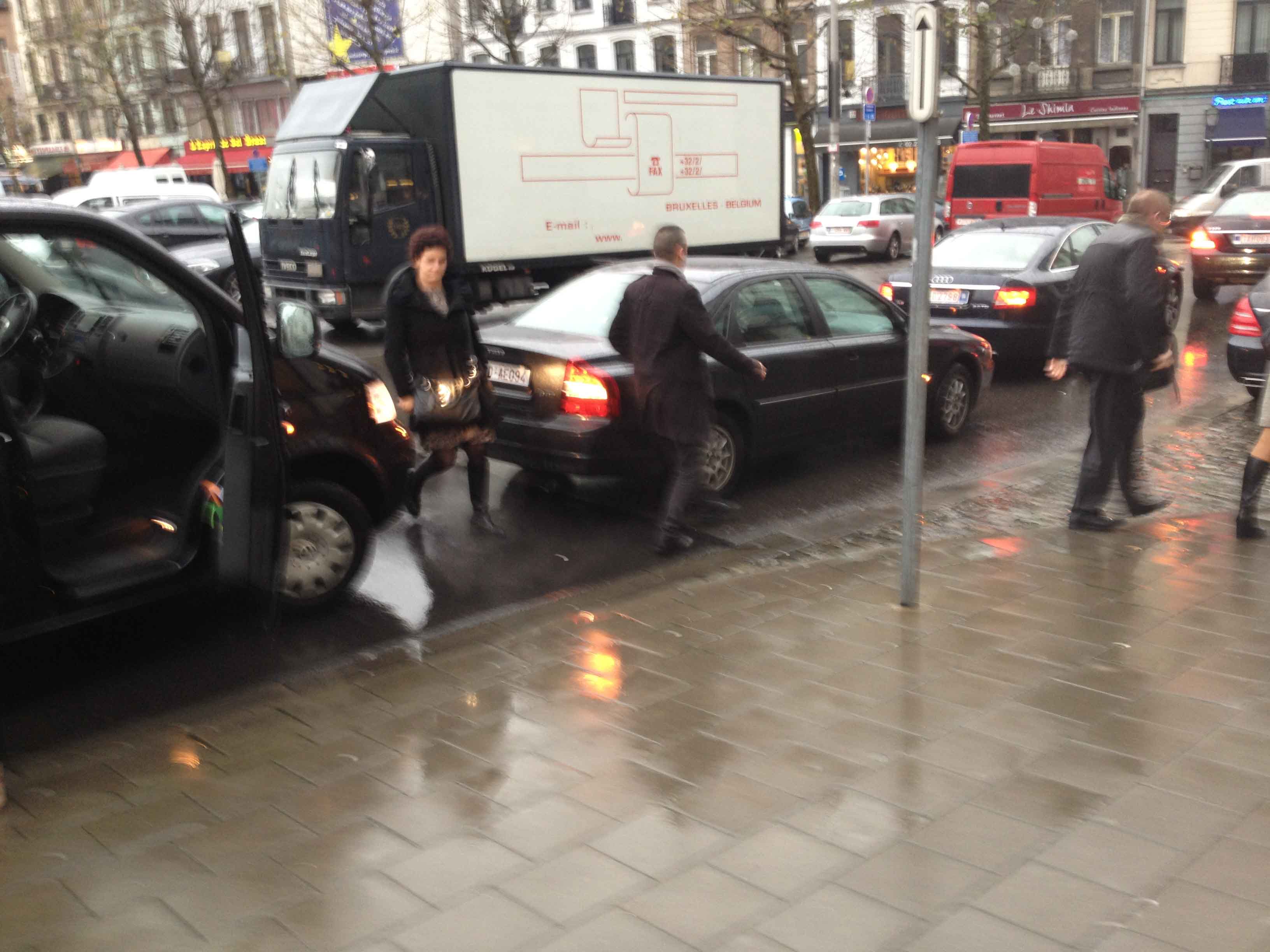
On one trip to feed the meter we found ourselves caught in the middle of a high-octane security set down. A blacked out convoy screeched to halt in front of the Sofitel and several glamorous occupants leapt out and rushed inside. A high heeled tassled shoe-boot flashed past as I grappled with the camera.

Brussels is that kind of place. Later we heard that the Serbian ambassador to NATO had died in mysterious circumstances at Brussels Airport the night before. Shortly after greeting a six strong delegation from Serbia, Branislav Milinkovic jumped from a 30ft platform. Reports from Belgrade say he’d recently received bad news about his health. Brussels police are apparently not investigating.

Not all of the trips to the meter were this exciting.

ROUNDUP: Inside line Evoque; new passenger rights; Eurotunnel/ Stena/ DFDS

condor_express1-1aCondor Ferries has had its Channel Islands operating licence extended for a further five years according to the BBC. The non-exclusive licence sets out service standards. Interestingly, the deal includes new EU passenger rights due on 18 December 2012. These entitle passengers to compensation for delays apart from bad weather (more on this coming soon).

Stena Line is hastily re-writing an advert in Sweden after it appeared to suggest the Nazi-era 1940s really weren’t that bad after all. It’s a very sore subject up north. Meanwhile, the Trafalgar Square Christmas tree had a bumpy ride from Norway this year (via Immingham, Lincs, with DFDS). It was eventually safely installed and lit up on schedule last Thursday.

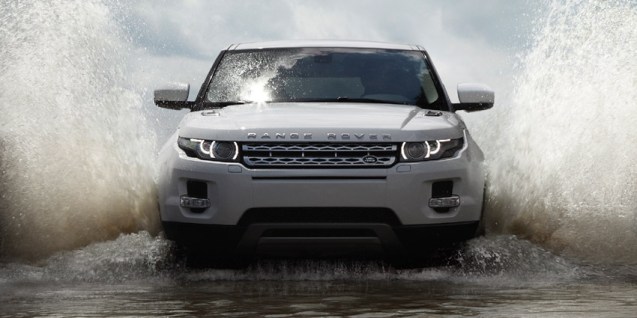
17-All_PV_L538_INT_prestigefujiwhite-850x425Following on from our recent article about Range Rover Evoque residuals, we had a nice chat with a chap at Turbocentre yesterday. These purveyors of prestige low mileage cars, right in the middle of footballer-land in Cuffley, Herts, have nine Evoques at the moment, all priced between £40-50k. Four of them were at the front of the showroom, three with panoramic sunroofs. Perhaps part of the reason why Evoque residuals are so high is because nobody is buying the cheapest two wheel drive version. Turbocentre hasn’t seen a single one. The cheapest Evoque it has sold was £38k. So we’re definitely looking at next year. Or maybe the one after.

On a more realistic note Pistonheads.com’s Garlick has bought a 1997 Mazda MX-5 1.8i for £600 (read down) and so far it’s been perfectly reliable.

Eurotunnel had another temporary stoppage last week after an electrical fault saw four hour delays (on the day ironically when we were coming back from France). It came a week after a similar delay after a fire. The two rare recent setbacks for the Chunnel operator follow a record year and a recent £202m insurance payout. Eurotunnel’s latest reliability figures (for 2009) say over 89% of truck shuttles left within three minutes of the stated time. The company is currently advertising return fares at £44 for trips of less than two days.

Finally, http://www.directferries.co.uk says there are two days left to grab its £38-each-way ferry fares over the Christmas period.

Mad as Brussels. Driving in the Belgian capital.

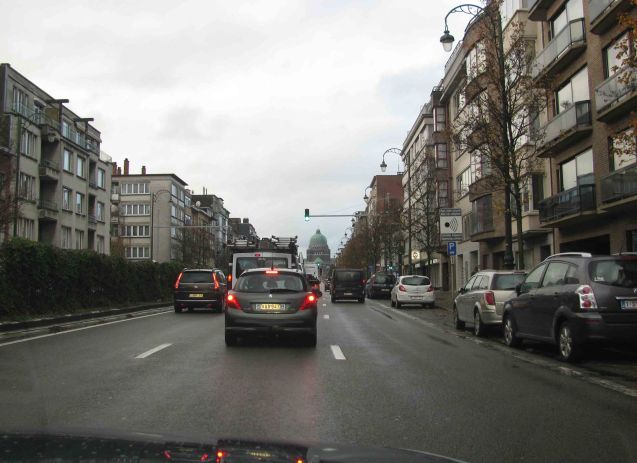
1The Brussels road system is based on three concentric ring roads. The smallest defines the inner city in a five mile, five-sided shape that gives the area its nickname ‘The Pentagon’.

The largest is the Brussels Ring, a two or three lane highway, 45 miles round, that encompasses all nineteen districts of the Brussels city region.

In between is the Great Ring, 19 miles long. We did most of our driving this time between the small and middle rings in the east of the city, in between Parc du Cinquantenaire and Parc de Bruxelles, around all the EU buildings.

From street level the impression is of mainly dead straight and very fast roads, exactly like many of the roads in the rest of the country.

Entering Brussels from the north – headed south east to the suburb Etterbeek – we drove most of the way at quite high speed on dual carriageway, through a succession of tunnels, with jinked hop off points at regular intervals. Even at 4pm we made brisk progress from one side of the city to the other.

2Going the other way in the evening rush hour at first seemed like a huge mistake. Traffic was jammed solid for ages. But once passed that we hardly stopped again on the way to the awe inspiring Atomium – the 335ft tall model of an iron crystal built for the 1958 World Fair – just inside the outer ring in the north.

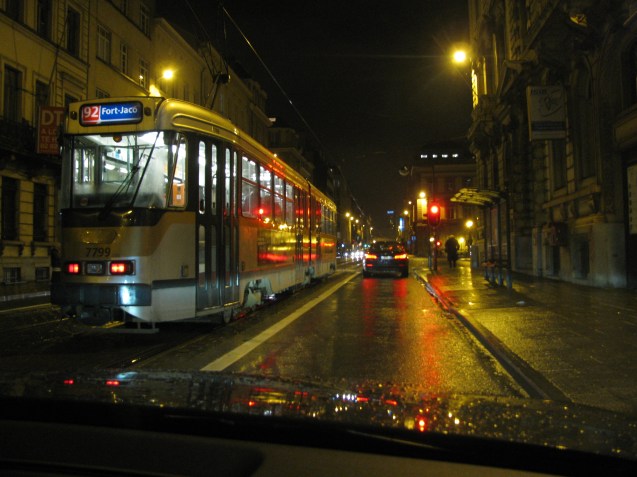
7804aComing back we’d got the hang it. The complicating factor, as in many historic cities, is the trams. They reach fearsomely high speeds, mostly on central reservations – which drivers can use if they are clear – but they do ding if you get in the way. It’s quite sweet the way they wait at traffic lights.

4There are a few one way streets and some roundabouts but the defining feature is the number of level crossings. Like in the UK, you only have to stop for pedestrians if there are no traffic lights. There weren’t that many bikes or mopeds around.

We couldn’t have done without it, but the SatNav did struggle – presumably because of all the narrow streets flanked with very high buildings, but also it’s a bit out of date. There was a bit of road work going on.

Bruxellois driving culture is definitely aggressive but not bad tempered. The favourite tactic is to steam out of a side junction so fast that sitting there and taking it is an involuntary reaction. Many times I steeled myself in anticipation but could never react quickly enough.

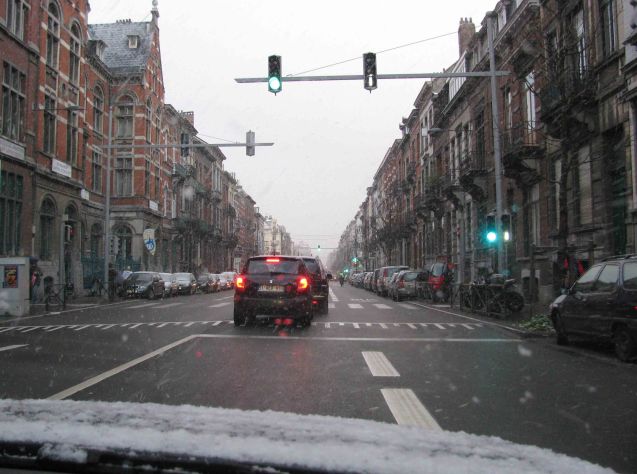
5Leaving during morning rush hour – in the snow! – we found ourselves in the thick of it on several occasions. Roundabouts are hilarious, a writhing, jostling mass of cars, jerking and inching their way forward, little or no lane discipline, but ultimately getting there quite quickly.

I cocked it up a few times, but the locals just shrugged, if anything. There was no wild gesticulating, bulging eyes, bipping or shouting.

After two visits now – the first time in the Pentagon without satnav – we look forward to the next. The problem in Brussels is not driving, it’s parking.