Killer Foliage: The End of The Tree-Lined Avenue?

Luxembourg to fell roadside trees in a bid to improve road safety.

.
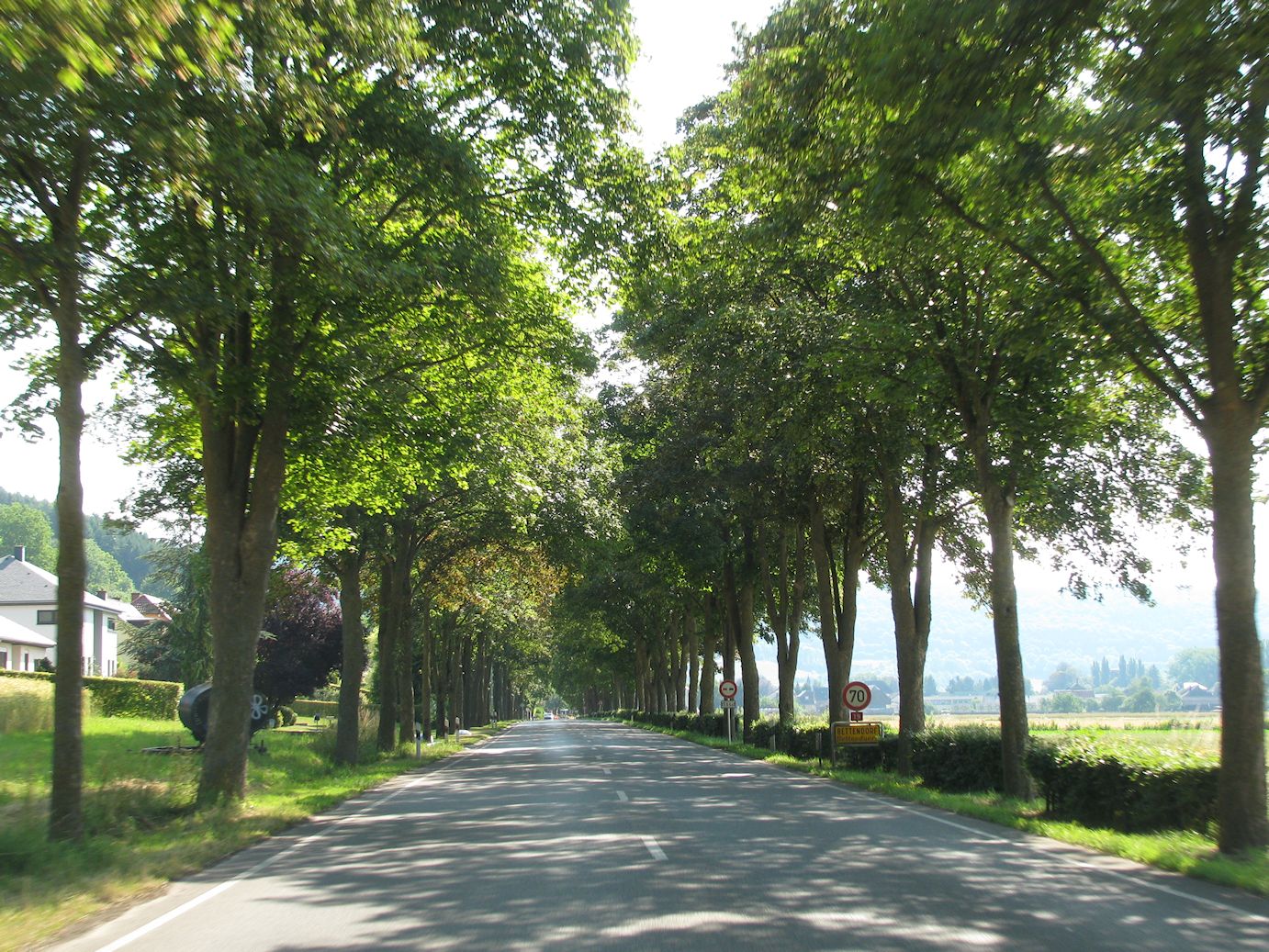
Bettendorf, northern Luxembourg. All photos by @DriveEurope. More below.

Bettendorf, northern Luxembourg. All photos by @DriveEurope. More below.

Along with mountain passes and coast roads, tree-lined avenues must rate high on the wish lists of many touring drivers.

Beautiful they may be but they are also downright dangerous.

Germany cottoned on to this quite early on with the first autobahns.

Originally conceived as a safety measure – to shield the road from wind and snow, in the centre line to protect against glare from on-coming vehicles, and to provide the driver with advance sight lines –it soon became clear that trees near the carriageway were anything but safe, especially as vehicle speeds increased.

By the 1960s, roadside trees were identified as the number one driving hazard and 175,000 trees were cut down in Bavaria alone according to Thomas Zeller’s exhaustive ‘Driving Germany, The Landscape of the German Autobahn, 1930-1970.’

Other countries have taken longer to catch on. Tree-lined sections are still a regular feature along France’s Route Nationales, for instance, and in Balkan countries where the trunks are painted with reflective white rings as a makeshift alternative to street lights at night.

Luxembourg has a long tradition of roadside planting too. The north of the country particularly has endless miles of attractive country roads flanked by lines of well-maintained mature trees.

In recent years however, they have become too closely associated with the country’s struggle to improve road safety. Last week, Infrastructure Minister Francois Bausch finally announced that trees will be removed from alongside a number of roads in the Duchy according to wort.lu.

All is not completely lost but it will take years for the roads to be restored to their former glory. The roadsides will be re-planted albeit at a safer distance from the carriageway with a barrier in between.

Meanwhile, it’s surely only a matter of time before France’s famous tree-lined avenues find themselves under the microscope too. French motorways might be among the safest in the world but secondary road accidents drag the country down to just above the European average overall.

As with everything pleasurable about driving on Continent, you have to enjoy it while you still can.

.
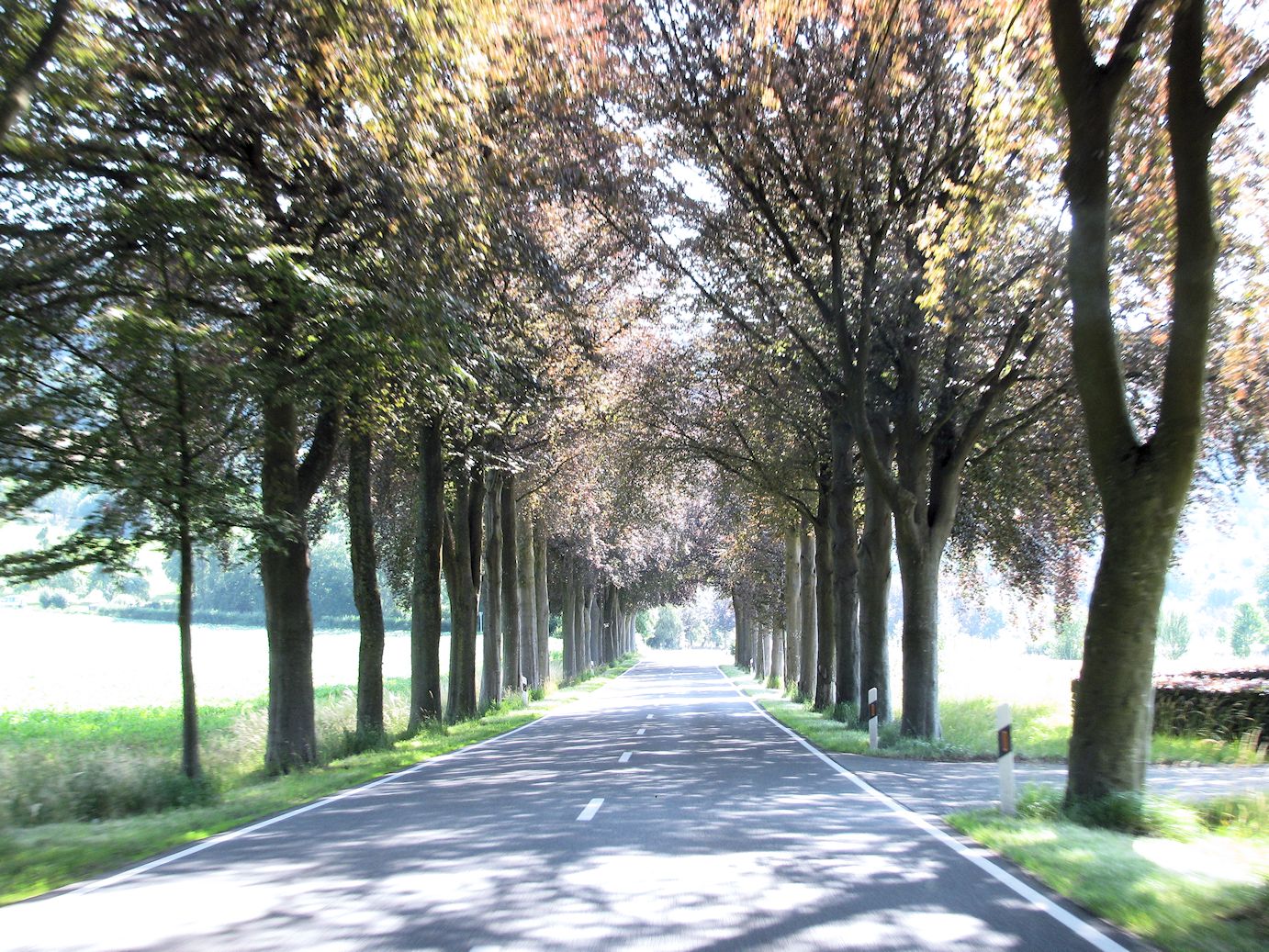
Endless miles of tree-lined roads in Luxembourg, but not for much longer.
Endless miles of tree-lined roads in Luxembourg, but not for much longer.

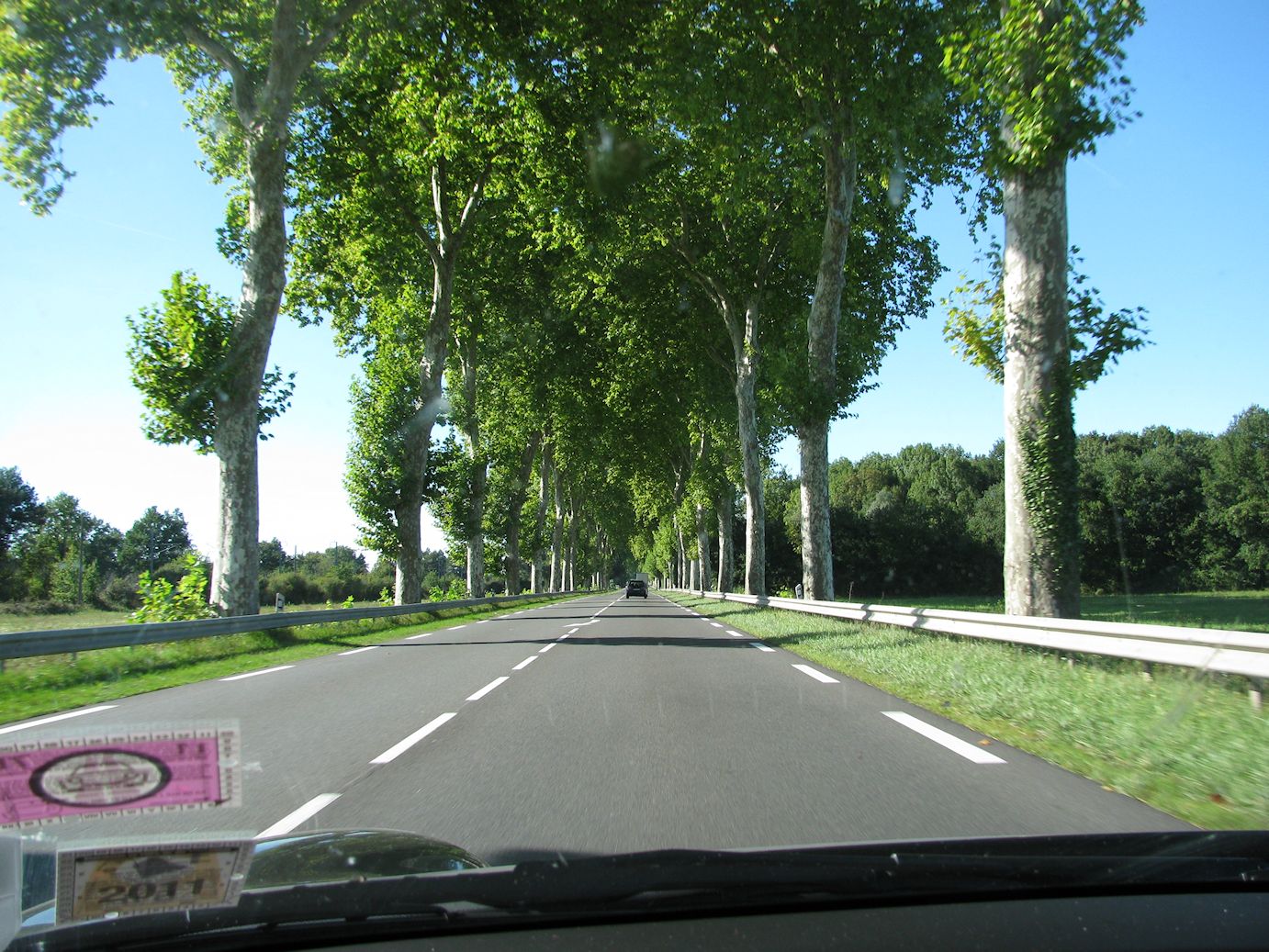
Route Nationale 7 (RN7), Lyon-Paris, near Nevers.

Route Nationale 7 (N7), Lyon-Paris, near Nevers. Trees quite far back from the road, with a safety barrier.

Route Nationale 5, (Geneva)-Dijon, near Dole.
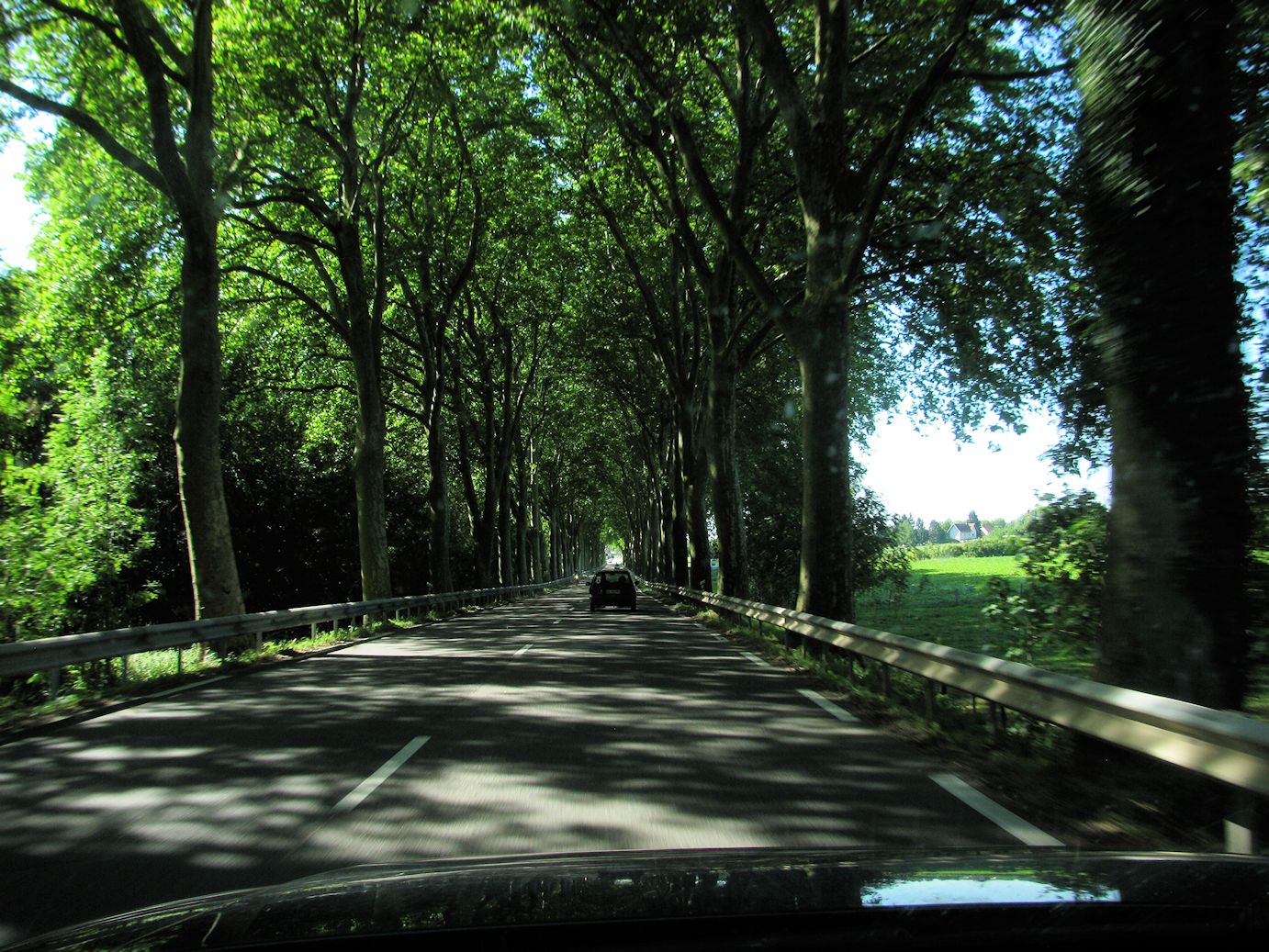
Route Nationale 5, (Geneva)-Dijon, near Dole.

Route Nationale 5, (Geneva)-Dijon, near Dole.

More N5, also near Dole. Not sure that barrier is going to be much help in the event of a smash.
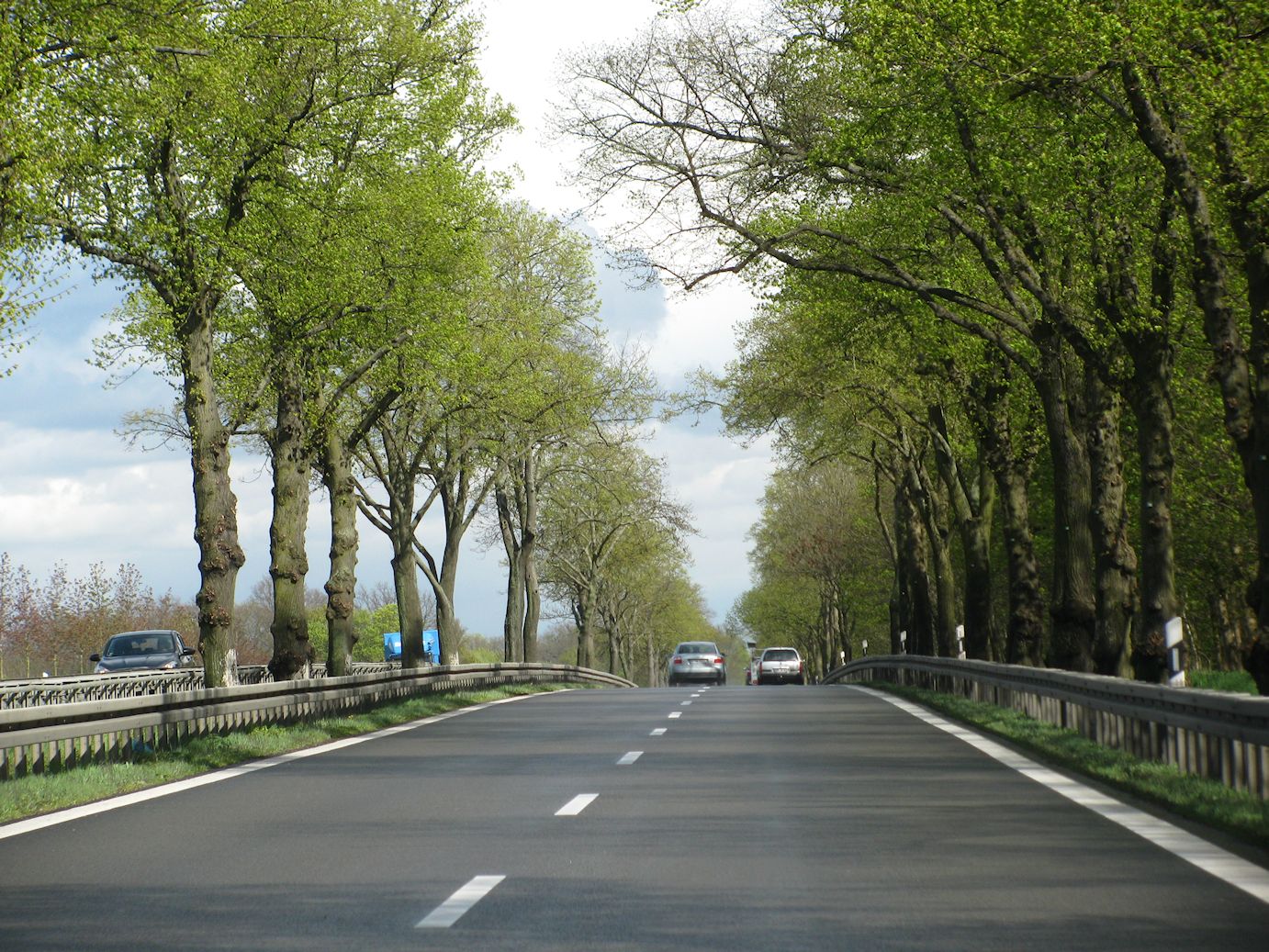
The A10 ring road Berlin. Re-surfaced original Hitlerbahn, note no hard shoulder, but the planting is original, even including trees in the centre line.

The A10 ring road Berlin. Re-surfaced original Hitlerbahn, note no hard shoulder, but the planting is original, even including trees in the centre line. Anomaly in Germany these days.
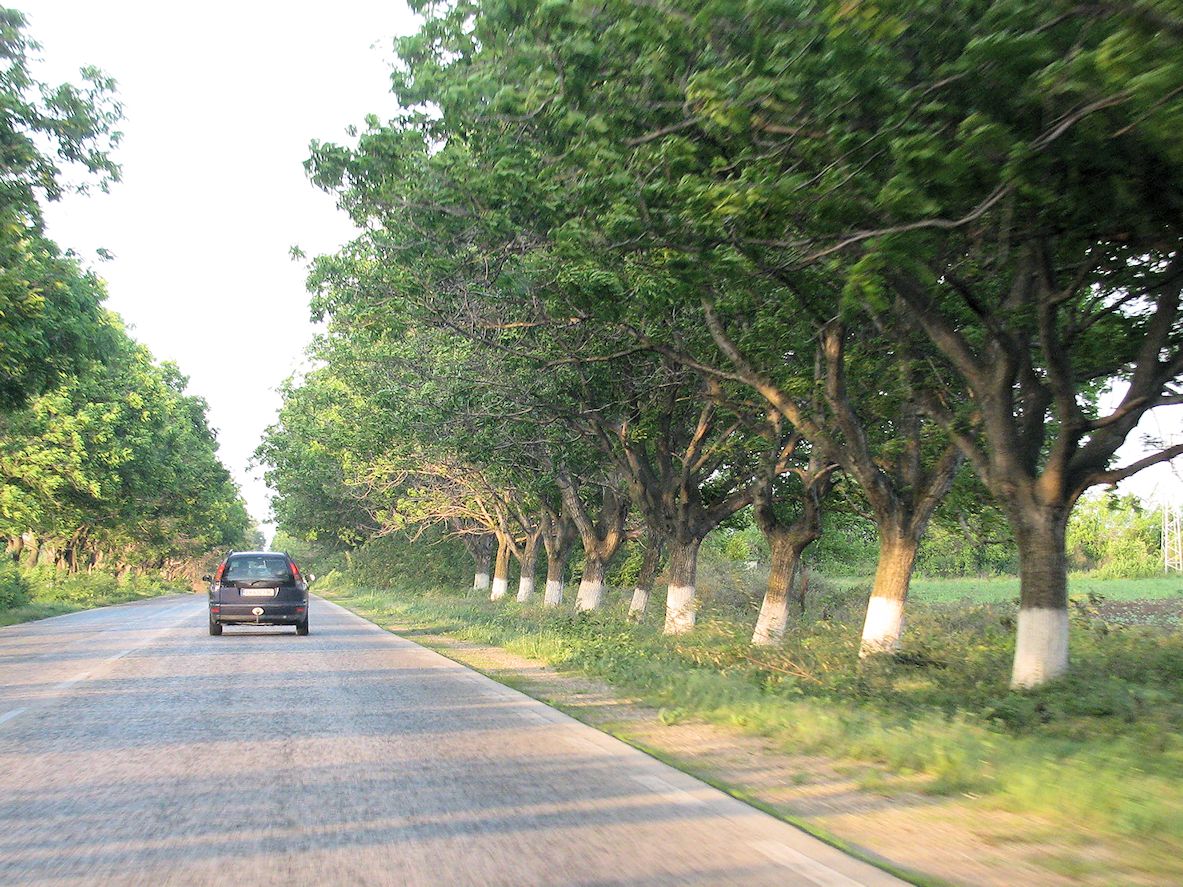
Northern Bulgaria, I-3, Pleven-Ruse. The trunk bases are painted with reflective white rings. Surprisingly effective at night but the trees themselves are an obvious hazard in the event of an accident.

Northern Bulgaria, I-3, Pleven-Ruse. The trunk bases are painted with reflective white rings. They are surprisingly effective at night but the trees themselves are an obvious hazard in the event of an accident. Coincidentally, or not, many of the countries currently struggling with road safety also still allow roadside planting: France, Luxembourg, and many of the Balkan countries.

.

All Season Tyre Test Update: Fuel Economy

All-Season tyres: the initial dip in fuel economy now seems to be permanent.

.

Fuel economy has dipped to 35.4mpg and won't budge.

Fuel economy has dipped to 35.4mpg and won’t budge.

It’s been a quiet week by our standards, just 320 miles, the vast majority on – constant speed, (almost) optimum economy – motorway.

So it’s disappointing that the average fuel consumption on our brand new All-Season tyres hasn’t shifted from its initial 35.4mpg.

(In the interests of dispassionate scientific observation – i.e. to stop ourselves going (even) lighter on the accelerator than usual – we refrained from checking the mileage until this morning.)

The difference from our overall average of 36.7mpg in 24,000 miles so far is therefore 1.3mpg.

It’s not a huge difference in the scheme of things but worse for us than most since we’re on course for around 35,000 miles this year, almost five times the national average.

By our maths, with the current average diesel price – according to the AA – of 131.3p per litre (£5.97 per gallon), these tyres will cost us an extra £210 in fuel over the first year.

At the UK average annual mileage of 7,900 miles the price differential shrinks to £47 (or £75 at the more common 12,500 annual miles).

Is that too much to pay for the go-anywhere, anytime capability these tyres – supposedly – afford?

It is for us who would rather spend the money on fancy hotels than diesel (though the real world difference is likely to be less since half our fuel spend is at – generally – cheaper Continental forecourts).

A more gentle driving style is now imminent. By the next report we expect to see a significant improvement.

COMING SOON (hopefully): The Ultimate Test, in search of snow.

See the first report ‘First Impressions’ here.

.

Finland Snow Chaos – BMW Light + Charge

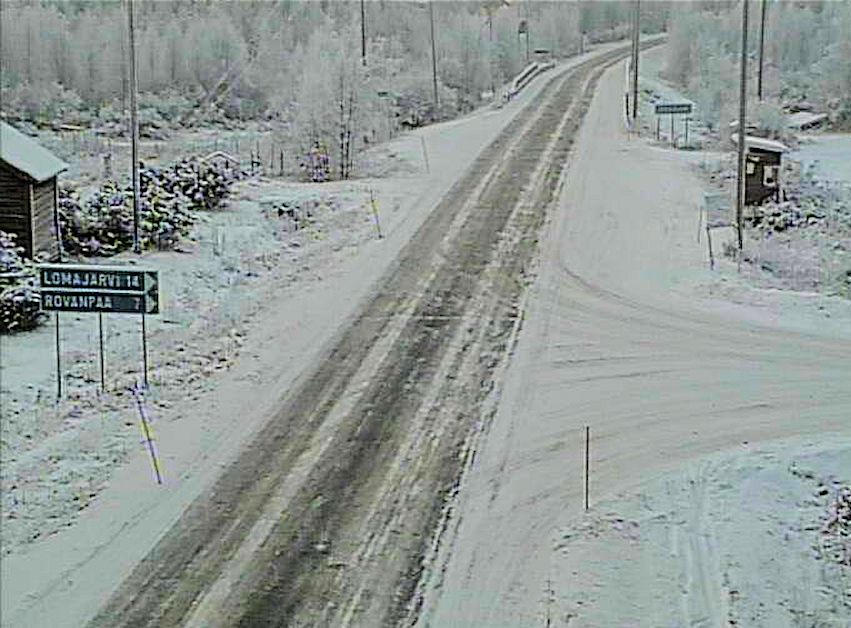
Finland: gridlock as drivers struggle with first major snowfall of winter.

.

Finland: photo via Liikennevirasto, see below.

Finland traffic and weather cams via Liikennevirasto, see below.

Countries that love to beat themselves up about poor winter-preparedness should take heart from what happened in southern Finland today (Friday).

The land of countless world rally champions – where supreme car control on slippery surfaces is said to be part of the national DNA – ground to halt as the first major snowfall of the year hit this afternoon.

Up to 9cm of snow fell in the space of a few hours as snow storms swept in from the east. The Baltic countries and Poland also saw major snowfall. Conditions are set to improve over the next week.

According to YLE News there were 45 accidents in the Helsinki region alone while Iltahleti said there were 160 crashes in total in the southern part of the country.

The capital’s Ring Road III came to a complete halt for several hours as trucks failed to climb even shallow inclines. There were also collisions on Ring Road I, on the Lahti motorway, at Helsinki airport and on the Karjaa-Lohja highway.

Fortunately there were no major injuries.

Finland is the only EU country where M+S winter tyres are compulsory throughout the winter months, whatever the conditions (see more here).

It is also the only country where speed limits are reduced, to 100kmh on motorways and 80kmh on main roads.

The Finnish Roads Administration Liikennevirasto tracks weather and road conditions in real time, including a comprehensive network of webcams.

.

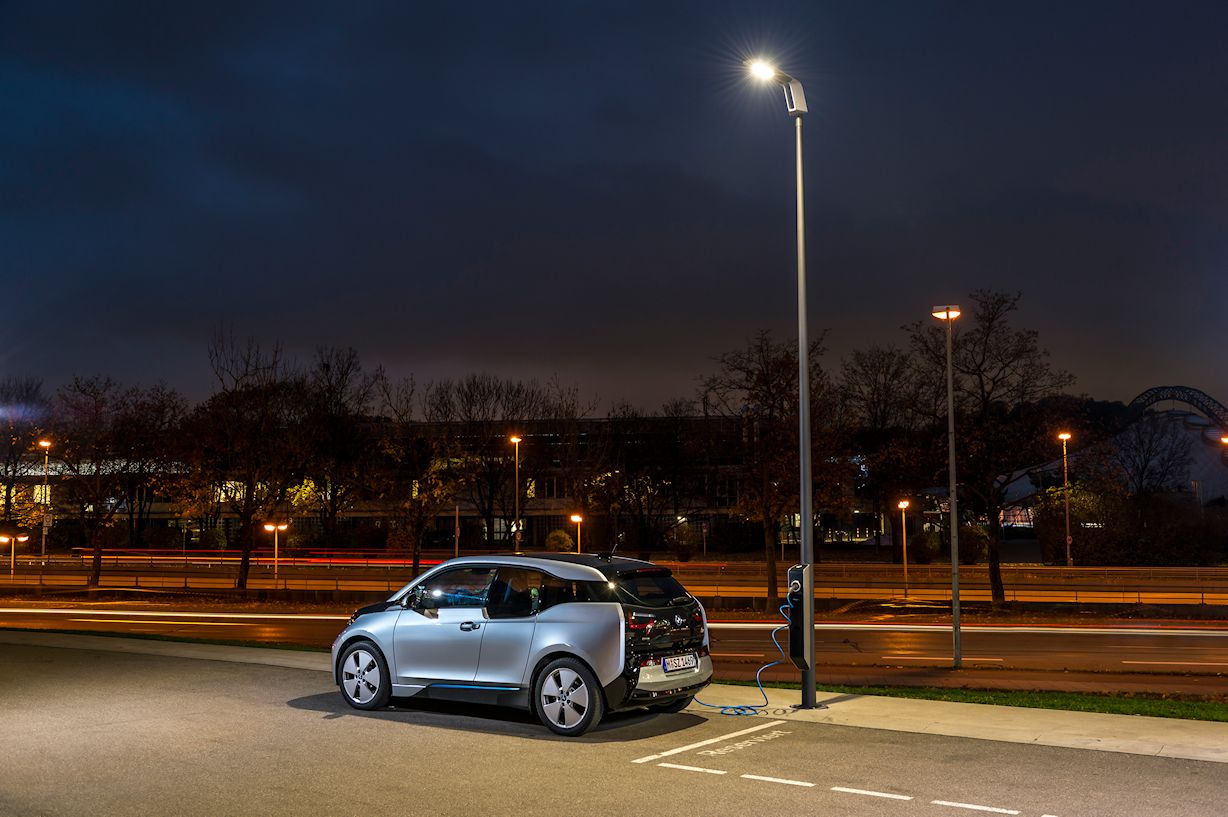
Light + Charge: BMW's electric i3 can now be charged from street lights. Not any old street lights obviously, only specially designed BMW 'modular LED' street lights. Now installed at BMW Welt in Munich but no doubt coming

Light + Charge: BMW’s electric i3 can now be charged from street lights. Not any old street lights obviously, only sleek, minimalist BMW-designed ‘modular LED’ street lights, with versions for full on main roads and side streets. Now installed at BMW Welt in Munich, coming to a well-heeled corner near you soon.

.

Europol in Action

Last updated 18:00GMT, Thursday 20 November.

.

TODAY: flash fire last night on truck at Dunkirk port. Two fatalities, suspected to be attempted illegal immigrants according to reports (also here). The Mont Blanc Tunnel closes overnight for maintenance, see below, as does the A86 Duplex Tunnel west Paris, 21:00-06:00.

Snow Alps, above 800m Austria, south central Switzerland (+ landslide H13 Locarno-Brissago and other roads in the south) and above 1400m French Alps and Massif Central. The A10 west of Genoa was closed over the weekend after flash floods (and a landslide) but has now re-opened, except the section Voltri-Pegli eastbound towards Genoa – delays on and off.

.

CHANNEL DELAYSDFDS Dover-Dunkirk reduced service until Friday 21 November. P&O Dover-Calais 21:25 and Calais-Dover 20:00 cancelled, tech issue. Also some delays 30mins.

WEATHER ALERT: Amber alert storm/heavy rain Greece + fog/mist Ireland.

WEATHER: mild Central + West. Rain in Spain.

GOTTHARD TUNNEL: no queues.

MONT BLANC TUNNEL: ‘traffic is fluent’ – closed overnight 23:45-04:15 for maintenance.

MAJOR TRAFFIC DELAYS: A51 northbound from Rouen, breakdown, delay 45mins. Gridlock north west Lyon.

A12 northbound Brussels-Antwerp, earlier accident, delay down to 45mins. A1/A16 northbound Antwerp-Breda, accident delay 1h25.

A2 eastbound Magdeburg, road works, delay down to 1h10. A8 both ways Karlsruhe-Pforzheim, road works, accident eastbound delay 1h15; westbound 35mins.

A1 northbound into Lausanne, accident, delay 60mins.

EarlierA86 ring south west Paris, accident Velizy, delay down to 35mins. A6 northbound Lelystad, accident, closed, delay 45mins.

See Travel/Traffic/Weather for more.

.

IMG_1536

Third place in Europol’s annual photo competition went to this image from Ciaran McGowan, an officer with An Garda Síochána Reserve, taken at a checkpoint in Cork, Ireland, targeting organised crime. See the other entries at Europol.europa.eu

.

Touring Club Italia

Last updated 18:00GMT, Wednesday 19 November.

.

TODAY: snow/ice warnings south central and east Austria, snow above 800m. Snow previously Swiss Alps, (+ landslide H13 Locarno-Brissago) and above 1400m French Alps and Massif Central.

The A10 west of Genoa was closed both ways over the weekend after flash floods (and a landslide) but has now re-opened, except the section Voltri-Pegli eastbound towards Genoa – delays on and off.

.

CHANNEL DELAYS: delays heading into Dover Port, passengers advised to leave extra time. DFDS Dover-Calais delay increased to 45mins.

DFDS Dover-Dunkirk reduced service until Friday 21 November.

WEATHER ALERT: Amber alert heavy rain Portugal + storm/heavy rain Greece, Bulgaria + now fog/mist Ireland (from this evening, clearing slowly tomorrow).

WEATHER: mostly dry Central + North.

GOTTHARD TUNNEL: no queues.

MONT BLANC TUNNEL: ‘traffic is fluent’.

MAJOR TRAFFIC DELAYSA86 north Paris, anticlock, accident Colombes delay 55mins. A6 southbound from Paris, accident Morsang/Viry delay 1h15.

E17 inbound Antwerp, road works R1 ring, delay down to 45mins (E34 inbound Antwerp, delay down to 25mins).

A2 westbound Magdeburg road works, accident, delay still 60mins; no delay eastbound. A5 northbound Heidelberg, lane closed delay 50mins.

Earlier: now no delay A45 northbound to Dortmund.

See Travel/Traffic/Weather for more.

.

From Touring Club Italia. More later.

From Touring Club Italia. More later.

.

Another Bad Month on French Roads – Porscheplatz

A large rise in road deaths in October could be followed by an even larger increase this month. Expect no let-up from traffic police.

.

The latest road safety campaign in France. Via @Gendarmerie

The latest road safety campaign in France. Via @Gendarmerie

Fatal traffic accidents in France were up 13.6% last month compared to October 2013.

After a difficult early part of the year, see below, it had seemed like the authorities had regained control. Now however, the country faces an overall increase in road deaths this year after twelve years of falls.

Also at threat is France’s national road safety target, to cut the number of fatalities to below 2,000 by 2020 (from 3,268 in 2013).

While all road user categories have shown rises so far this year, the largest increases have been for pedestrians and cyclists (up 7% and 6% respectively).

October’s rise will be especially troubling because the same month in 2013 was one of few last year where fatalities rose (by 2.7%) compared to the year before.

There were 299 road deaths in October 2012 compared to 350 last month.

Worse could be to come. November 2013 was another outlier month when deaths fell by 15%. Should the October trend continue – and with no new initiatives on the way it looks possible – the authorities could be faced with another headline grabbing rise, as earlier this year.

To recap, unmarked speed camera cars introduced in March 2013 led to immediate large falls in the number of fatal accidents in France (down by 27% that month).

The effect quickly wore off meaning corresponding large increases in the same months this year (up 28% in March 2014). By this July – following a re-launch of the camera car initiative – numbers were again on a downward fall (by 11.6%).

The upshot for drivers is to expect no let-up in traffic police vigilance. The early success of the unmarked camera cars at least proves that speeding is a major factor in fatal accidents.

A statement on the figures from Securite Routiere says, ‘Law enforcement will continue to play its part.’

While police deny they specifically target foreign cars the oft-quoted statistic is that a quarter of speeding offences are committed by foreign motorists, rising to fifty percent in the summer months.

There are no figures however to say how many foreign drivers are involved in fatal incidents.

While overall road deaths fell by an impressive 11% in 2013 that only brought France down to just below the EU average (50 versus 52 deaths per million inhabitants, the ‘road safety measure’).

Recent figures however suggest that French motorways are among the safest in Europe.

France is not the only EU country struggling with road safety. Both Ireland and Luxembourg saw a worsening record last year, the latter for the second year in a row. Germany is also said to have seen an increase in serious crashes so far this year.

Meanwhile, the dangers to vulnerable road users are also being highlighted in a range of other countries, from Switzerland to Bulgaria.

.

Porsche submits a planning application today about erecting this Goodwood-style sculpture between its museum and factory on Porscheplatz in Zuffenhausen north east Stuttgart. Twenty four meters high, and ten wide, each of the three steel spikes has a different 911 model at the top to represent fifty years of the car’s manufacture at the site. Presuming permission is granted, the sculpture will be built next summer and unveiled in the autumn.

Porsche has submitted a planning application today to erect this Goodwood-style sculpture between its museum and factory on Porscheplatz in Zuffenhausen north east Stuttgart. Twenty four meters high, and ten wide, each of the three steel spikes has a different 911 model at the top to represent fifty years of the car’s manufacture at the site. Presuming permission is granted, the sculpture will be built next summer and unveiled in the autumn.

.

Hot Dates This Winter: Days Not To Drive

After carmageddon at times last year, with the exception of Austria, predicted traffic levels for the Christmas and New Year period are not too bad. So far.

.

Hot Dates this Winter: when you don't want to drive. More later.

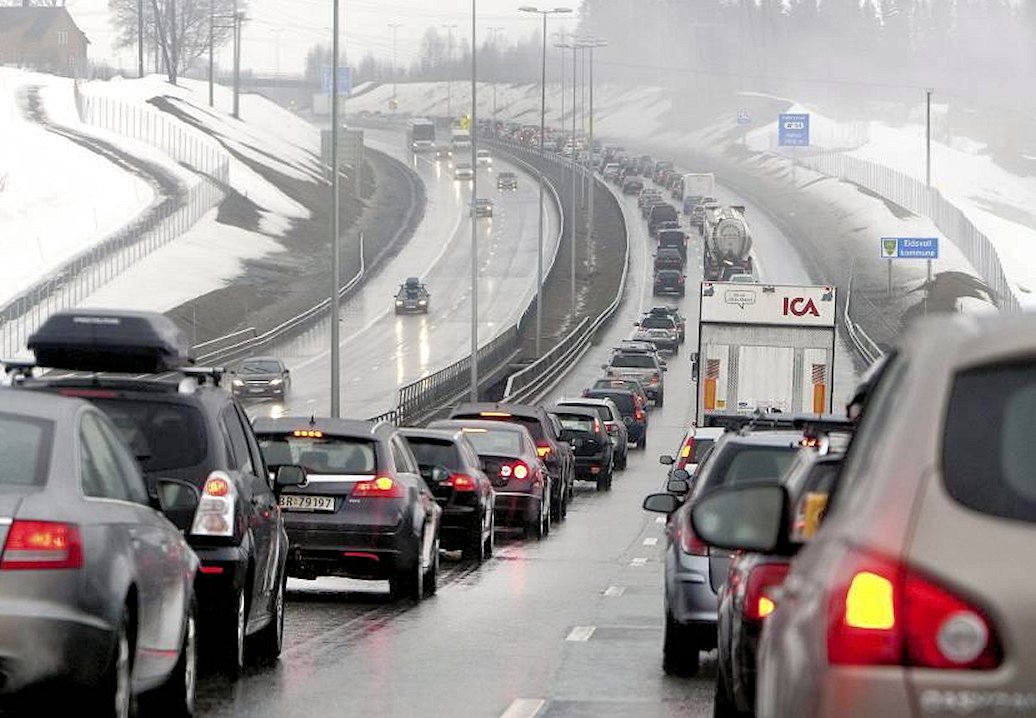
Hot Dates this Winter: when you don’t want to drive. More later. Photo vegvesen.no

Winter sports fans heading for the French Alps can clog the roads almost as much as their Cote d’Azur-bound counterparts in the summer.

Instead of the A7 between Lyon and Avignon however, the busiest motorway is undoubtedly the A43 between Lyon and Chambery. Not far behind is the infamous N90 Albertville-Moutiers-Bourg Saint Maurice.

The Gotthard Tunnel on the A2 in south central Switzerland is another holiday bottleneck, winter or summer.

Last year, the situation for British travellers was made much worse by extreme weather on the English Channel and a series of technical hiccups on Eurotunnel. After day-long journeys across France, drivers waited several hours at the Channel Ports on the busiest days.

Fingers crossed there won’t be a repeat performance this year because – apart from some very busy days in Austria – the traffic predictions are quite dovish for the winter holiday period.

According to Bison Fute, for instance, there are no ‘black’ days in France (when congestion is at its absolute worst). The only red day is Christmas Eve, Wednesday 24 December, and then only for drivers departing the Paris region.

Otherwise, the busy days are all orange – Friday and Saturday 19-20 December, Tuesday 23 December (Paris) and the first ‘changeover’ day in the Alps, Saturday 27 December – all for traffic departing.

It’s not until Sunday 28 December that return traffic becomes a problem (to Paris) and then, more generally, Sunday 4 January.

Despite that, based on last year, drivers should be prepared for delays.

The only practical way to avoid the A43 Lyon-Chambery is via the A40 eastbound from Macon, off the A6 between Dijon and Lyon. The A40 is by no means always free-flowing either but is generally not as bad.

To Chambery, the A40 way is an extra 35 miles, all on motorway. Direct to Albertville is only another 20 miles albeit on main roads for the final 30 miles, from Annecy.

Keep an ear on the traffic situation at 107.7fm, bulletins repeated in English.

There are no super-bad days forecast in Germany either. The next major warning is not until Thursday 2 April.

Inevitably the roads will be more crowded than usual – in itself something to be beware of – with all Fridays in December (apart from Boxing Day) busiest of all.

Friday 19 December sees the Christmas getaway begin with the following Tuesday also particularly highlighted (but the days in between less so).

The weekend of the 27-28 December will see lots of people on the move. After that, the only quiet days until Monday 12 January are Monday 29 December and Wednesday-Thursday, 7-8 January.

In Switzerland the (only) busy days according to TCS will be Friday and Saturday, 26-27 December, with the bulk of traffic heading south.

Wednesday 31 December will be busy in general though less so than just after Christmas.

No such luck in Austria unfortunately. Both Saturday and Sunday 20-21 December are ‘red plus’ days on Austrian roads (a bit less on Sunday) as most countries on the Continent knock off for Christmas.

The bulk of the traffic will be concentrated in the west, cross-border like the A12 and B179 Fernpass from Germany, or transit, down the A13 Brenner motorway from Innsbruck to the Italian border.

The following Saturday could be almost as bad as the Austrians themselves start their Christmas break.

However, the Swiss and Austrian traffic authorities are yet to publish their predictions for 2015. We will update this post when they have done, and with more detailed predictions nearer the time.

.

All-Season Tyre Test: First Impressions

They can be used anywhere in Europe, summer or winter, but will this go-anywhere capability make our new All-Season tyres too compromised for year-round use in the UK? The fuel economy seems to be suffering already.

.

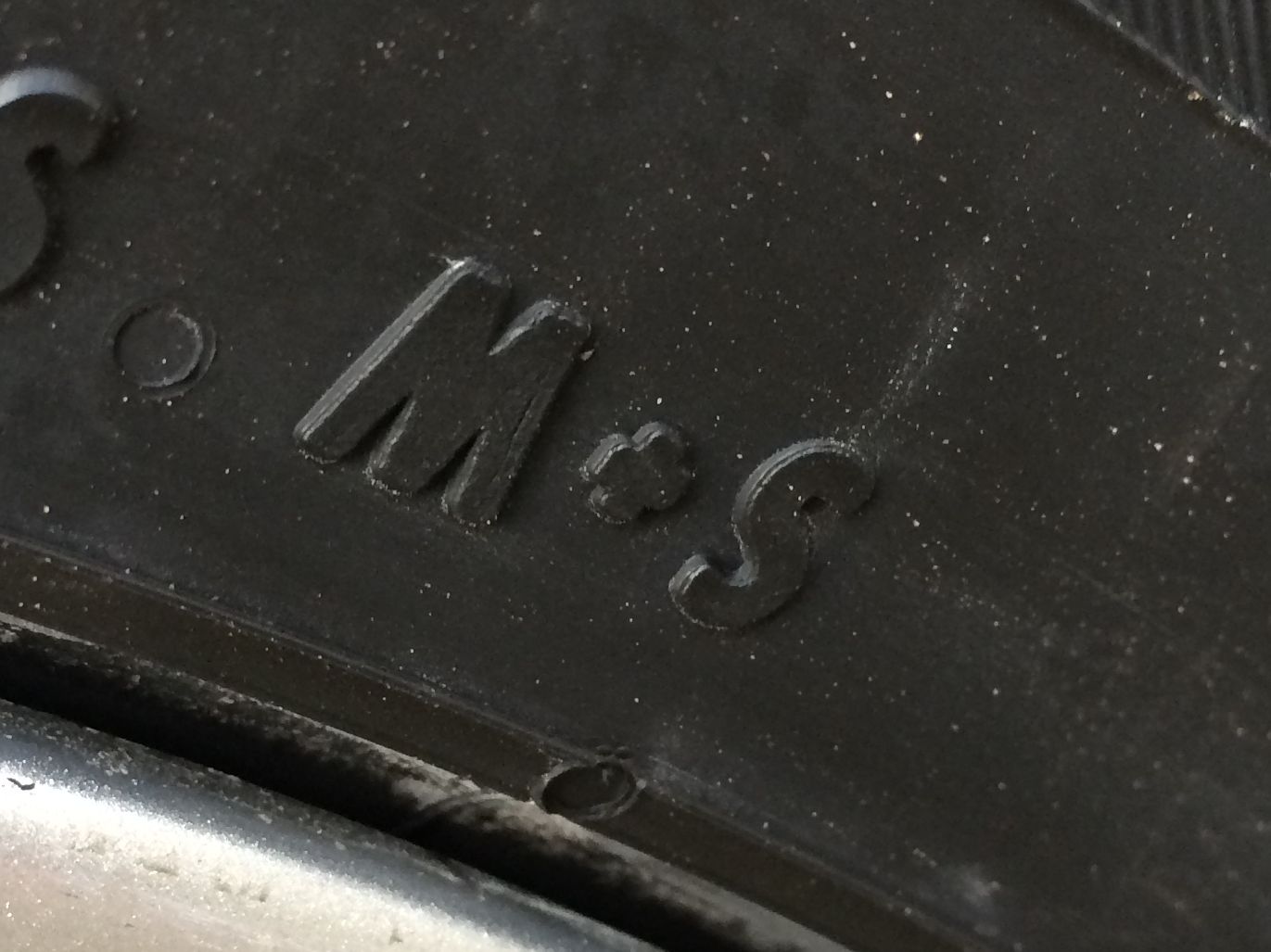
Freshly fitted M+S - mud and snow - marked All-Season tyres.

Freshly fitted M+S – mud and snow – All-Season tyres.

The idea had been to fit All-Season tyres just before our recent trip so that – on the way from northern Holland to southern Spain – we could safely divert through Germany and/or Switzerland.

There’s not a huge risk of snow or ice in Germany in late October – the law says you need M+S marked tyres to drive on frozen roads – but we bought All-Season tyres, fundamentally, because we don’t want to be restricted in where we can go during the winter (and don’t want the hassle or storage issue of buying winter and summer tyres).

Meanwhile, in Switzerland there was snow in the mountains. Swiss law doesn’t require ‘winter tyres’ but in practice you have to be ‘properly equipped’. Any trouble you run into without them – legal or otherwise – is likely to be serious.

What with one thing and another we couldn’t get hold of them before we left so we ended up driving mainly through France. That was no hardship, obviously, but neither was it what we had planned. It wasn’t until this weekend we managed to get our new boots fitted.

Full-on Winter Tyres – marked also with a snowflake symbol, though there is no legal definition – are made with a soft rubber compound which remains flexible below the all-important 7⁰C. They are also cut with hundreds of extra grooves (sipes) to maximise the grip surface in snow.

The rubber compound on regular ‘summer’ tyres hardens below 7⁰C, reducing grip, while their wide grooves quickly fill up with snow and turn them, effectively, into racing slicks.

All-Season tyres – marked M+S (for mud and snow), the only legal requirement in all European countries which have rules on tyres in winter – combine the snow sipes of winter tyres, in the centre, with the wide water-dispelling grooves of summer tyres on the outside edges.

The tyre industry has a saying that All-Season tyres provide, ‘90% of the grip of a full winter tyre on ice and snow, while keeping 90% of a summer tyre’s performance in the dry and wet.’

Nevertheless, the received wisdom is that they are compromised in all conditions, cost more, wear out quicker, are noisier, harden the ride and reduce fuel economy.

However, according to the label on our new Continental Cross Contact ATs (All-Terrain), the three main criteria – fuel efficiency, wet grip and noise – are all exactly the same as our previous summer tyres.

They might have been shockingly expensive at £1039 but that’s actually a few pounds cheaper than a direct replacement for the old ones.

After less than fifty miles they seem to be working well. Thankfully, the comfy ride in our Range Rover Evoque remains unchanged, and they don’t seem to be making any more noise.

Apart from longevity – the previous set lasted 24,500 miles – the only remaining anxiety is fuel economy. In the eight months we’ve had the car it has averaged a few clicks under 37mpg. Already that’s down to just over 35mpg… hopefully just because of some spirited test driving.

After the last trip we didn’t think we’d get away again until next May. Now we’re thinking it would be criminal to let these new tyres go to waste this winter. A week in the Alps is out of the question, but we might manage a few days in Germany’s secret ski region, the Sauerland, just 350 miles from Calais.

.

Five Roads With Amazing Airport Views

Last updated 16:30GMT, Saturday 15 November.

.

Airports the world over are served by major roads, many of them with great views.

The tedium of traffic jams on the M25 west of London, for instance, is greatly relieved by the site of a full-blown airliner, landing gear exposed, on its final approach to Heathrow, right over the motorway.

On our travels around the Continent however we’ve come across a few roads with even better views than that.

In Paris, Amsterdam, Lisbon – poor old Perpignan – and, last but certainly not least, Gibraltar, drivers get so close to the action you wonder if it should be allowed. See below.

.

TODAY: Dover-Calais ferries return to normal after yesterday’s strike. More severe weather for north west Italy – A10 both ways A26/Voltri-Genoa, re-opened after earlier flash floods (land landslide yesterday) – and south east FranceThe N20 Puymorens Tunnel in the French Pyrenees re-opens after upgrades. Snow on A2 at south Gotthard Tunnel and A13 St Bernardino Tunnel, Switzerland.

.

Weekend traffic + weather: France is now ‘green’ – light traffic – right up until 19 December. This Saturday is also the first weekend day this month in Germany without a congestion warning though – as always – early departers will clog roads from mid to late afternoon Friday. Light traffic is expected in both Austria and Switzerland too. According to BBC Weather, an area of heavy rain moves into northern Italy and the Alps (with snow at higher altitudes) then shifts south east. Unsettled in the West. Cold but dry East.

.

CHANNEL DELAYSDFDS Dover-Dunkirk reduced service until Friday 21 November. DFDS Dover-Calais 21:15, Calais-Dover 20:00, planned cancellations.

WEATHER ALERT: now RED alert storm/heavy rain Liguria, Italy. Amber alert heavy rain/storm north Italy, heavy rain/flood south east France, north Spain coast, ice/snow Switzerland, heavy rain Slovenia.

WEATHER: unsettled Central. Drier, cold far North. 

GOTTHARD TUNNEL: no delays.

MONT BLANC TUNNEL: ‘traffic is fluent’.

MAJOR TRAFFIC DELAYS: A630 ring south west Bordeaux, road works, closed, delay anticlockwise down slightly to 40mins.

EarlierA7 southbound Hannover, road works, delay still 30mins.

See Travel/Traffic/Weather for more.

.

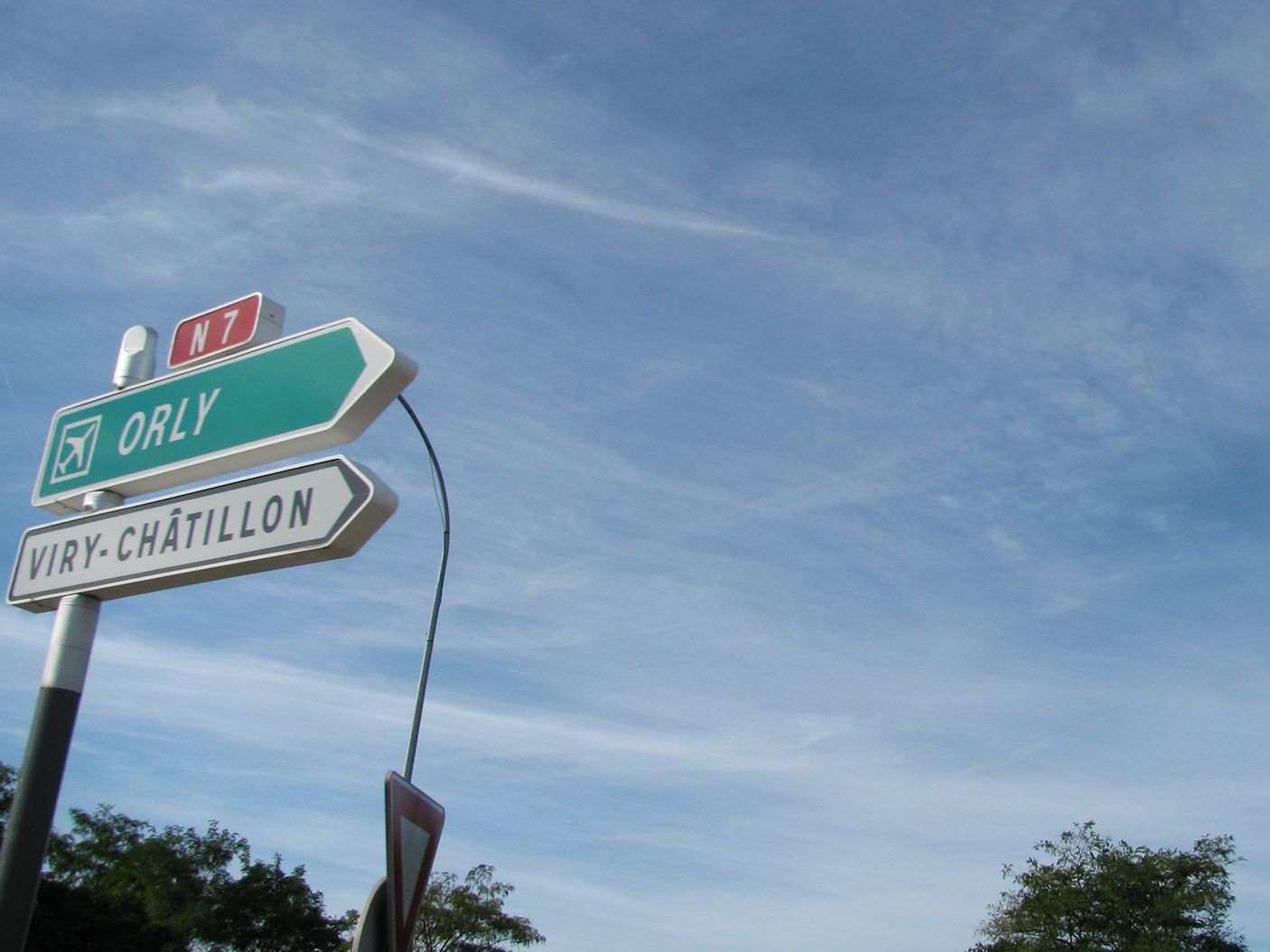
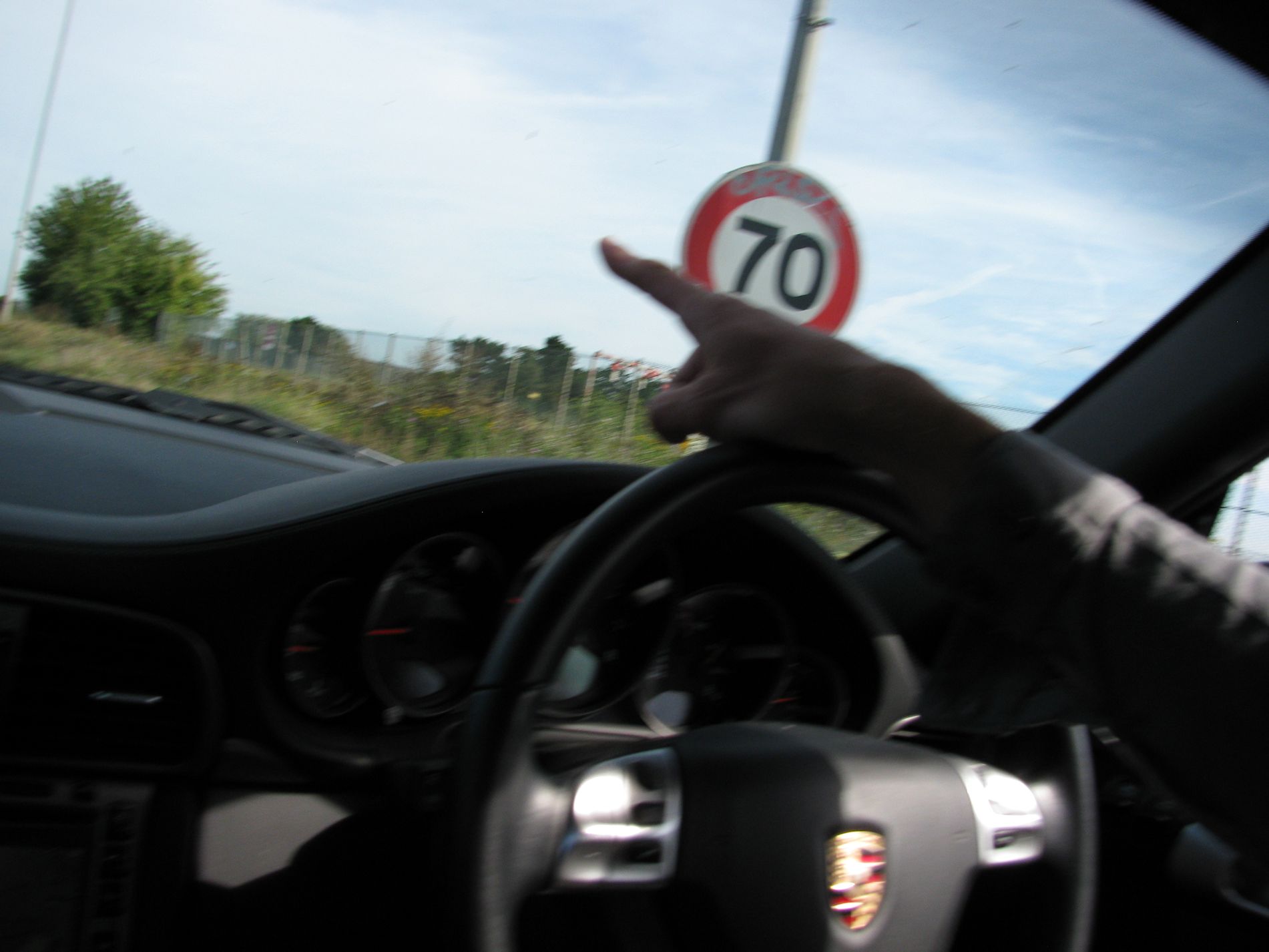
The A6 motorway skirts the western edge of Orly Airport in southern Paris. Route Nationale 7 from Lyon however runs in a tunnel right underneath the runway.

The A6 motorway skirts the western edge of Orly Airport in southern Paris. Route Nationale 7 from Lyon however runs in a tunnel right underneath the runway.

Tooling into the French capital one Saturday morning we were amazed to see a plane land right in front of us, tyre smoke and all. It happened so fast there wasn’t time to get a photo but the snap we did get encapsulates the stunned reaction. Definitely worth going back for another go sometime.

Tooling into the French capital one Saturday morning we were amazed to see a plane land right in front of us, tyre smoke and all. It happened so fast there wasn’t time to get a photo but the snap we did get encapsulates the stunned reaction. Definitely worth going back for another go sometime.

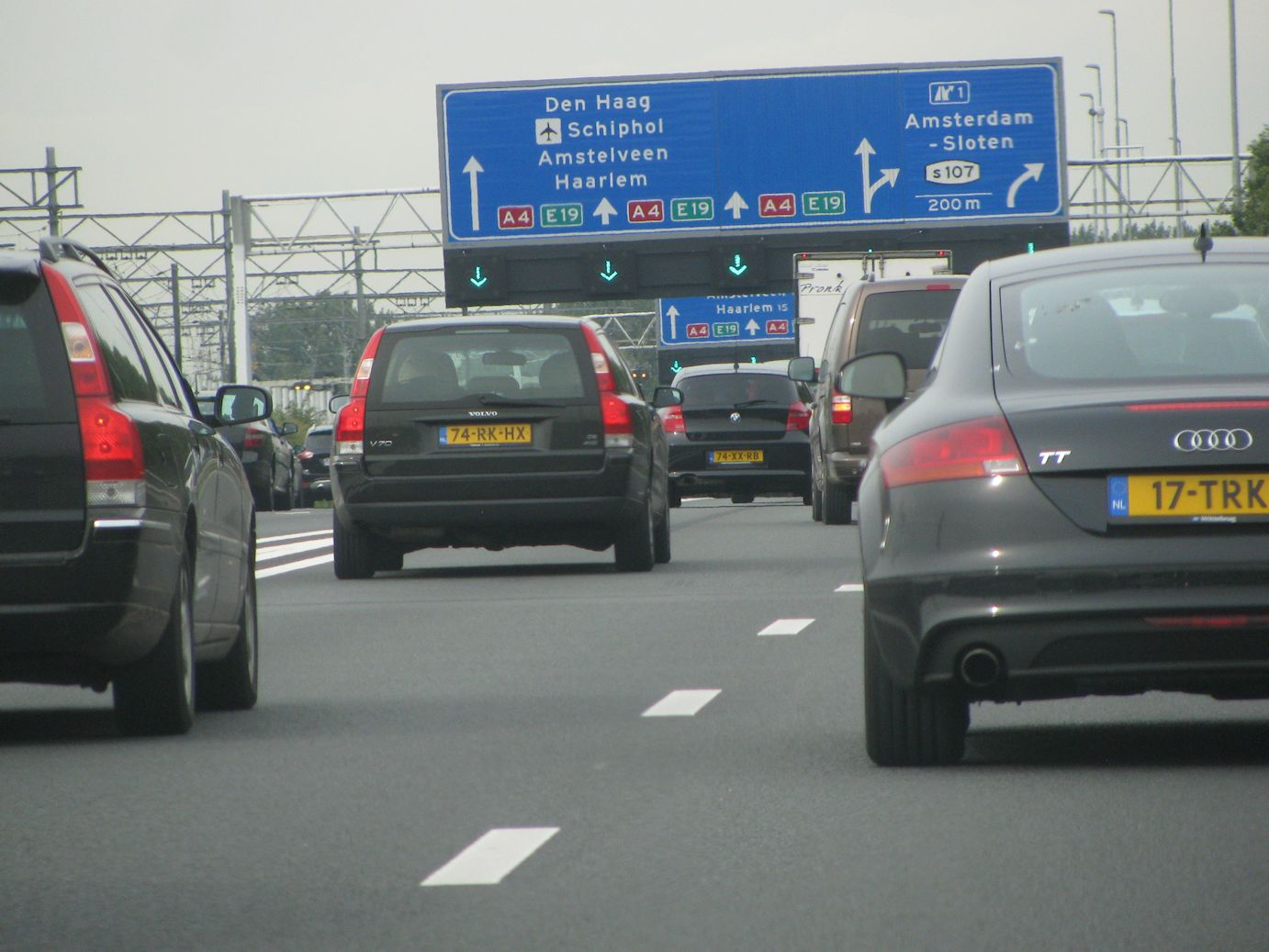
The view of Schiphol Airport from the A4 – south east of Amsterdam - is so good we did it twice. Once on the way down to Stena Line’s ferry terminal in Den Haag in September 2012…

The view of Schiphol Airport from the A4 – south east of Amsterdam – is so good we did it twice. Once on the way down to Stena Line’s Hook of Holland ferry terminal in September 2012…

And again just a few weeks ago, heading north this time (back) to the – equally amazing – twenty mile long A20 Afsluitdijk causeway motorway in northern Holland.

And again just a few weeks ago, heading north this time (back) to the – equally amazing – twenty mile long A20 Afsluitdijk causeway motorway in northern Holland.

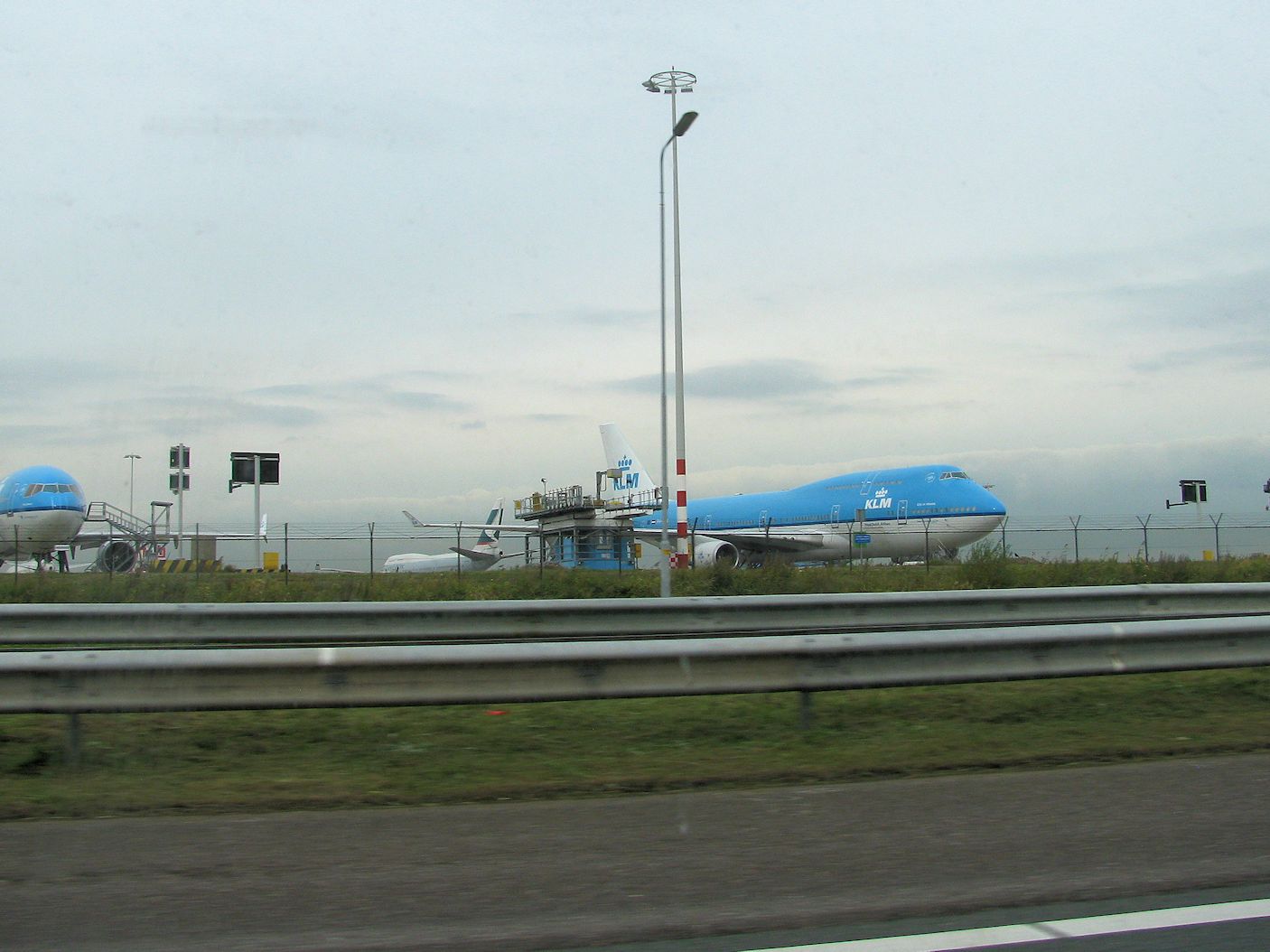
Personally have never been so close to a 747, so close you have to wonder if it’s safe. Not just because it’s distracting, barrelling along at 130kmh in the rain, but because a terrorist faking a breakdown could nip over the fence, plant a bomb, and be back in no time.

Personally have never been so close to a 747, so close you have to wonder if it’s safe. Not just because it’s distracting, barrelling along at 130kmh in the rain, but because a terrorist faking a breakdown could nip over the fence, plant a bomb, and be back in no time.

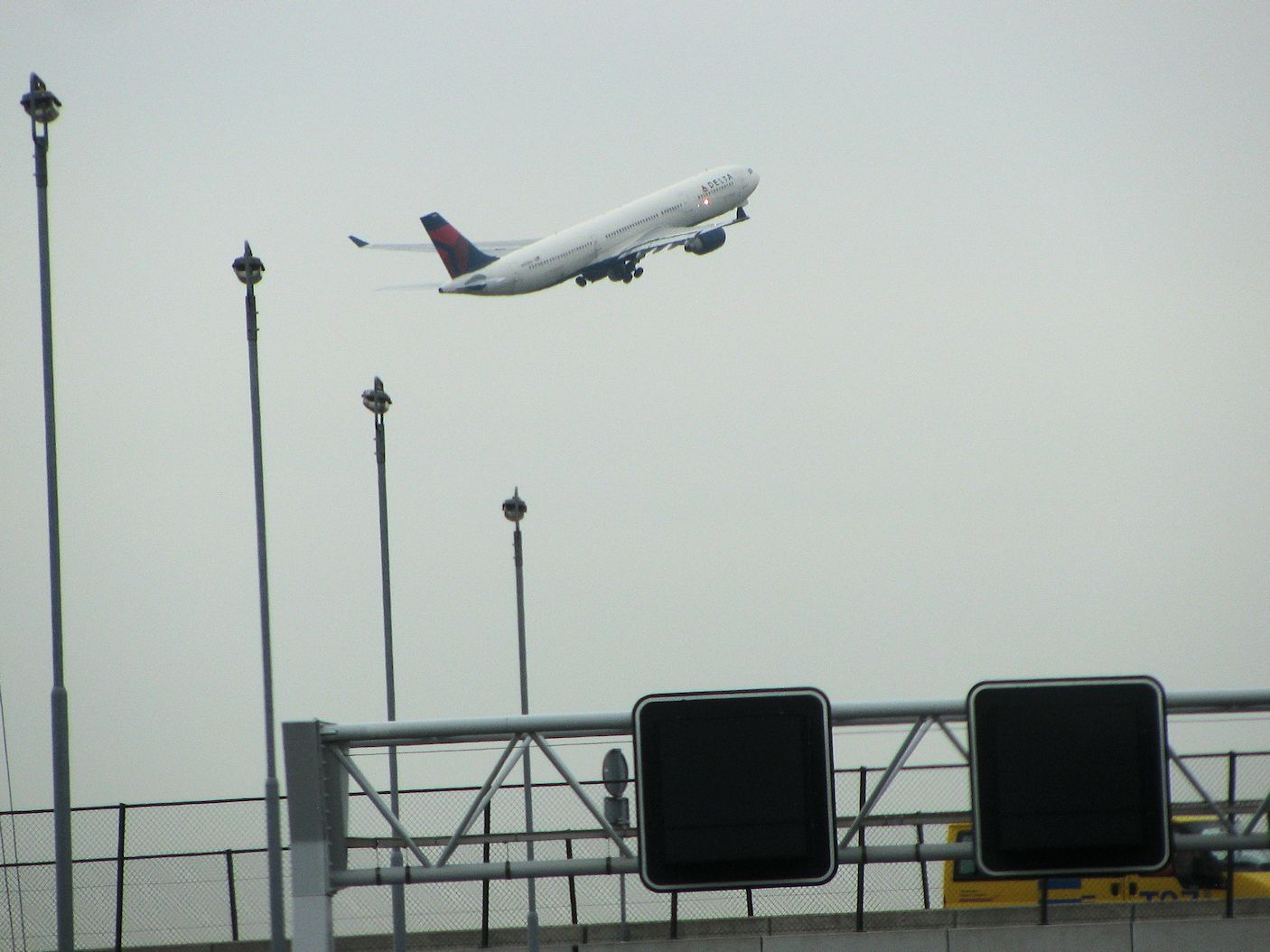
If you’re lucky however you’ll see a majestic airliner take to the skies right in front of you.

If you’re lucky however you’ll see a majestic airliner take to the skies right in front of you.

Or, even better, two majestic airliners taking to the sky right in front of you.

Or, even better, two majestic airliners taking to the sky right in front of you.

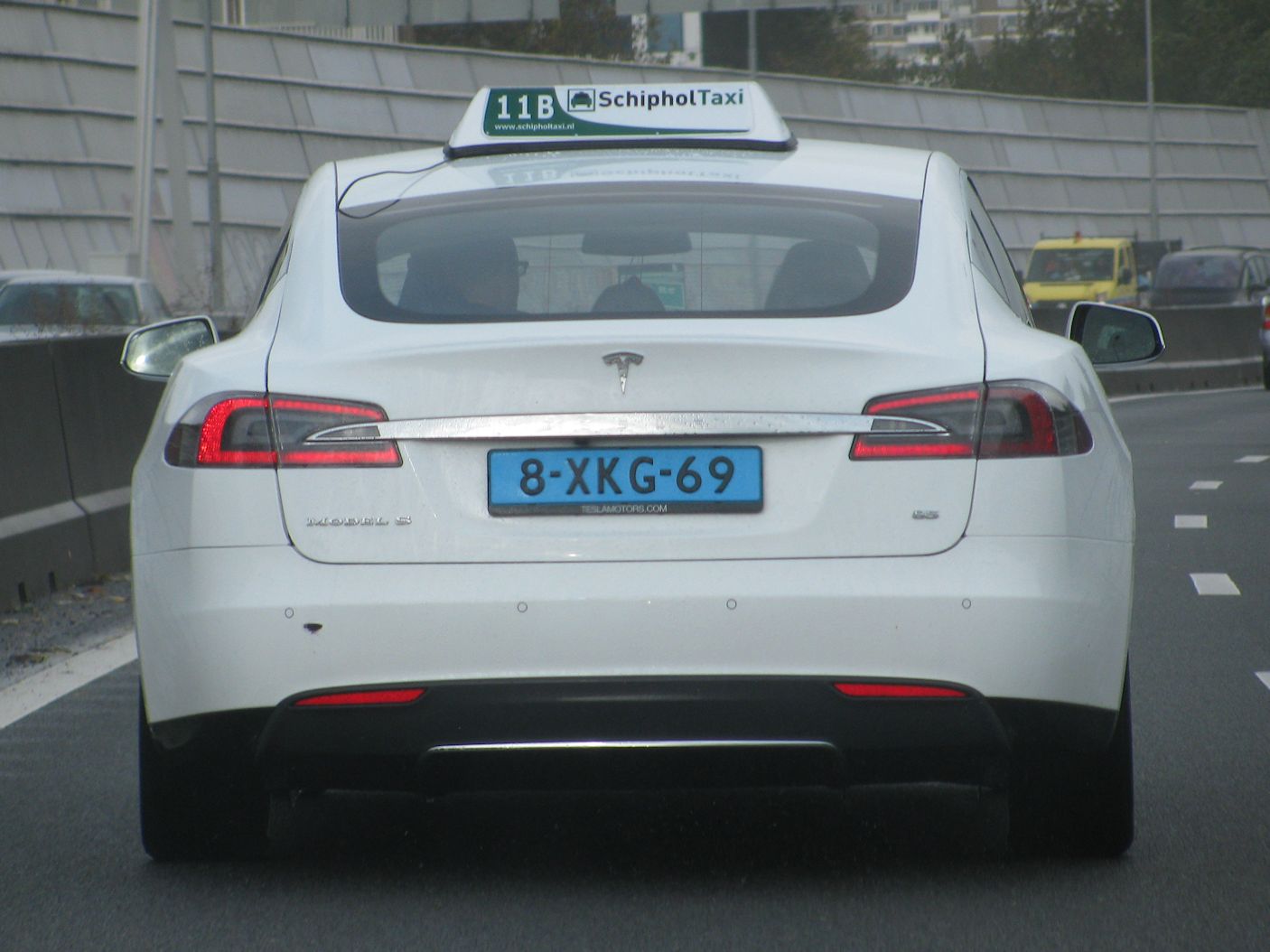
There are other auto-aeroplane sights to see on the A4 too like this Tesla Model S taxi, one of 167 recently delivered to the airport’s fleet (which did the company’s controversial quarterly sales figures no harm at all).

There are other auto-aeroplane sights to see on the A4 too like this Tesla Model S taxi, one of 167 recently delivered to the airport’s fleet (which did the company’s quarterly sales figures no harm at all).

Meanwhile, the morning commute on the A1 Autoestrada do Norte must be considerably enhanced by the sight of planes landing or taking off at Aeroporto de Lisboa in northern Lisbon.

Meanwhile, the morning commute on the A1 Autoestrada do Norte must be considerably enhanced by the sight of planes landing or taking off at Aeroporto de Lisboa in northern Lisbon.

Even if it is a boring Ryanair 737.

Even if it is a boring old Ryanair 737.

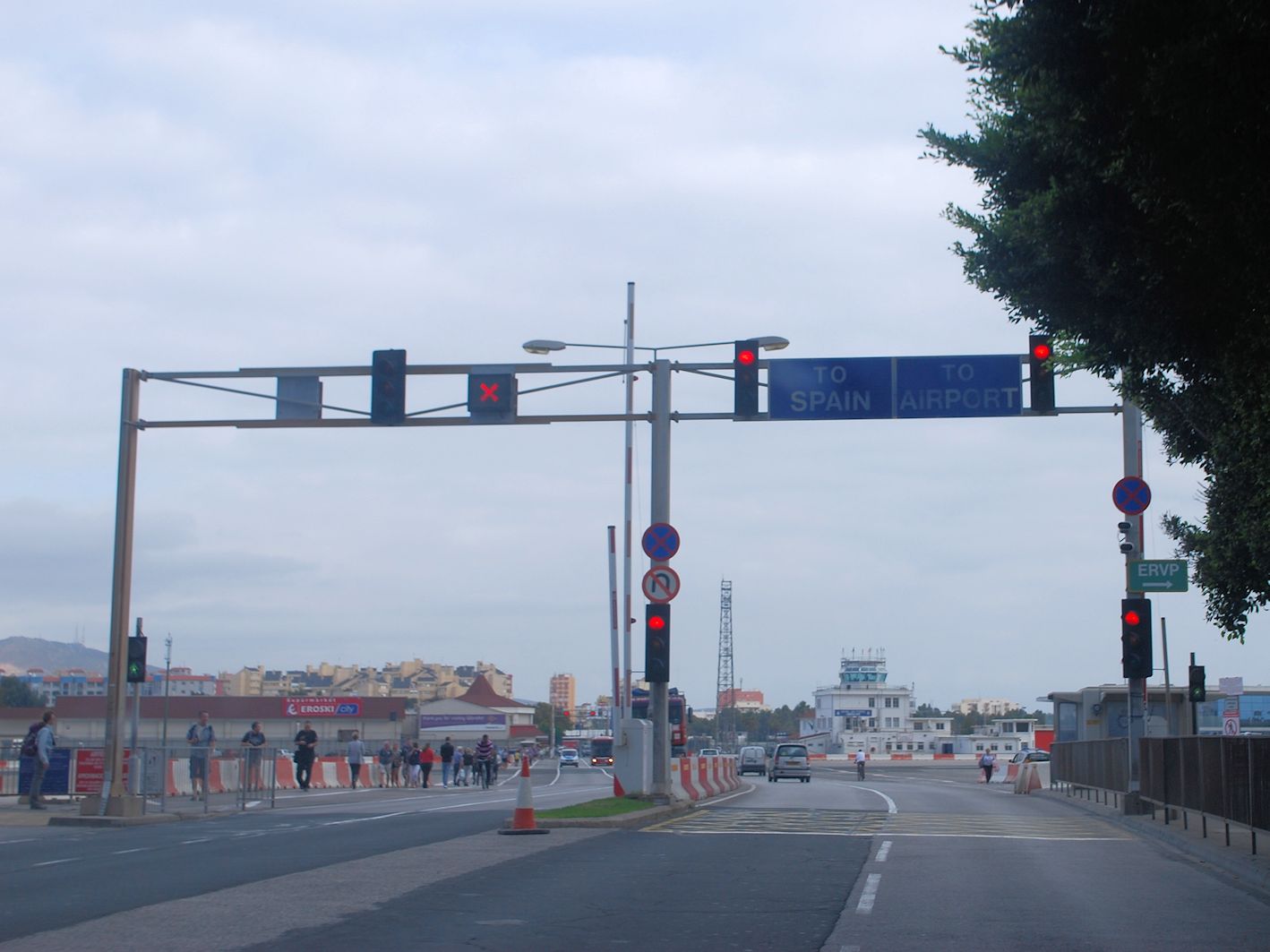
Gibraltar’s airport knocks all the others into a cocked hat. This is the first time I’ve ever waited at a level crossing for a plane to land. Sadly in this case it was a false alarm.

Gibraltar’s airport knocks all the others into a cocked hat. This is the first time I’ve ever waited at a level crossing for a plane to land. Sadly in this case it was a false alarm.

The (only) road into town from the frontier – you really cannot miss it - actually crosses the runway. One of the very few occasions when it might be even more interesting to walk.

The (only) road into town from the frontier – you really cannot miss it – actually crosses the runway. One of the very few occasions when it might be even more interesting to walk.

Finally, for all the excitement of roadside airports, there are fewer sights sadder than EAS Service’s plane graveyard from the D117 at Perpigan-Rivesaltes in south west France.

Finally, for all the excitement of roadside airports, there are fewer sights sadder than EAS Service’s plane graveyard from the D117 at Perpigan-Rivesaltes in south west France.

.

If you know of any more airports like this please let us know in the comments below:

.

Transfagarasan Closer + Closer As A1 Gap Plugged

Continuous motorway from Calais to Romania’s most famous road is now on the horizon.

.

.

Despite the announcement in June that no new roads would open in Romania this year, a significant stretch of the western A1 came on stream this afternoon.

The new 22km section includes the 1km Aciliu viaduct, the longest in Romania, and plugs the final gap in the A1 Sibiu-Sebes-Deva, close to Romania’s two famous mountain passes.

Sebes sits at the head of D67C Transalpina while Sibiu is just thirty miles west of Carta, at the top of D7C Transfagarasan.

English-speakers might struggle with the fact that the new road runs between the villages of Saliste and Cunta.

The new road (marked in blue, above) represents a technical achievement in a geologically unstable region. A planned tunnel before the viaduct was abandoned in favour of a cutting. The resulting landslides dogged the construction throughout. It was originally intended to open last spring along with the other new sections of A1.

It was built a mainly local consortium led by Italian firm Impreglio. The entire 115km highway Sibiu-Deva cost €784m, the vast majority from EU funds according to Romania-Insider.com.

Having driven this exact stretch of road in May 2013 – coincidentally among the first drivers to use part of A1, opened without fanfare – it is clear to us that the new dual carriageway will bring welcome relief for the heavy traffic on this main route between Romania and Western Europe.

The remaining sections of western A1 still to be built are not insignificant (marked in red, above) but all are currently under construction. Meanwhile, the Hungarians are building an extension of the M43 motorway from Szeged to the Romanian border at Nadlac.

Finger crossed, by the end of 2015 there will be continuous motorway for the 1,500 miles from Calais to Transfagarasan.

Last month, Romania unveiled a highly modified road building plan. Many of the roads previously intended to be motorways have been downgraded to – cheaper and easier to build – expressways.

This includes the all-important Sibiu-Pitesti stretch of the A1 across the Carpathian mountains which southern Carpathian car maker Dacia lobbied so hard to have prioritised.

According to the plan, the bare bones of a fast road network should start to emerge by 2020.

.