Ferry news – Passenger rights app; Condor family offer; Stena’s record 2012

Our weekly round up of ferry news includes an update on the yet-to-be-updated ferry passenger rights app; a great new special offer for families heading for the Channel Islands this year and Stena’s record 2012 Harwich-Hook of Holland.

TECH ISSUE HOLDS UP FERRY PASSENGER RIGHTS APP

Six weeks after defined consumer rights for ferry passengers came into force, the official smartphone application spelling out entitlements is yet to be updated.

New rights for ferry passengers came into effect on 18 December 2012 following rights for air travellers in 2004 and rail in 2009.

Essentially, where the operator is at fault, delays of over 90 minutes or cancellation mean passengers could now be entitled to compensation, based on a proportion of the ticket price.

According to a spokeswoman for the European Commission, a technical issue with the translation means the updated app won’t be available until mid-February at the earliest.

In the meantime, operators are required to display concise summaries of passenger rights on board. For more information click here.

BIG SAVINGS FOR FAMILIES ON CHANNEL ISLANDS CROSSINGS

condor_at_sunseta

Families could save nearly 50% on mid-week Channel Island crossings this year with Condor Ferries’ eyecatching ‘kids go free even in the school holidays’ special offer.

DriveEurope was quoted £245 return for sailings on 10 and 16 July 2013, Portsmouth-Guernsey-Poole, including £5 online discount. That compares to £470 return for a similar trip starting and ending at the weekend.

The advance offer applies for all trips up to seven days travelling Tuesday to Thursday, for two adults and two children, and lasts until 4 November.

Meanwhile, a source close to the company has pooh-poohed suggestions Condor is undertaking a wholesale review of its business.

A BBC Jersey interview with brand new managing director James Fulford last weekend quoted him saying, ‘We have a clean sheet of paper now. We need to make sure we provide people with what they want, and don’t provide them with what they don’t want to pay for.’

The article went on to say the company was considering which English ports it uses and asking passengers ‘if weather capability was more important than speed’.

Condors (almost exclusive) fleet of hi-speed catamarans are much faster than conventional ships but are more prone to cancellations in bad weather.

Operations from Weymouth were affected last year by a crumbling harbour wall. All Condor services were transferred to Portsmouth and Poole. Latest reports say repairs are on track with the berth expected to reopen on 17 July.

Condor re-signed a five year operating licence with Channel Islands’ authorities in December 2012.

BOOST FOR MYFERRYLINK.COM

Each of the 371 former SeaFrance employees transferred to new operator MyFerryLink has now been accompanied by a €25,000 payment from administrators. The cash is a welcome boost for the fledgling operator as it seeks to establish itself on the hotly contested Dover-Calais route. According to widely reported figures MFL took 4% of the market in its first three months of operation. This month will see all three of its former SeaFrance vessels operating simultaneously for the first time. The company is currently offering fares from £29 each way, any duration.

STENA’S RECORD YEAR

2012 was a record year for Stena Line’s on its Harwich-Hook of Holland route. The company carried over half a million passengers (up 2.4%) and 110,000 cars (up 5.2%).
The boost comes as the company’s two impressive new ‘super ferries’ bed down on the route. DriveEurope sailed from Hook in September 2012, lounging (out of necessity) on leather banquette sofas near the double wind lock doors to the outside deck area. Very comfortable indeed. We paid £165 one-way for a stand-by ticket. The company is currently advertising fares at £59 each way.

In more travel app news, Stena’s smartphone booking and info app has now been translated into English.

The perfect romantic getaway: follow the Seine into the heart of Paris

You can’t get much more romantic than the River Seine, Paris and Champagne. All three are within easy reach of England in three days and 380 miles on finest French soil. With the river to guide you, the last thing to worry about is finding the way.

Le Havre – Versailles – Paris – Epernay – Calais

Abundant-nature_fixed_1280x520

Portsmouth – Le Havre
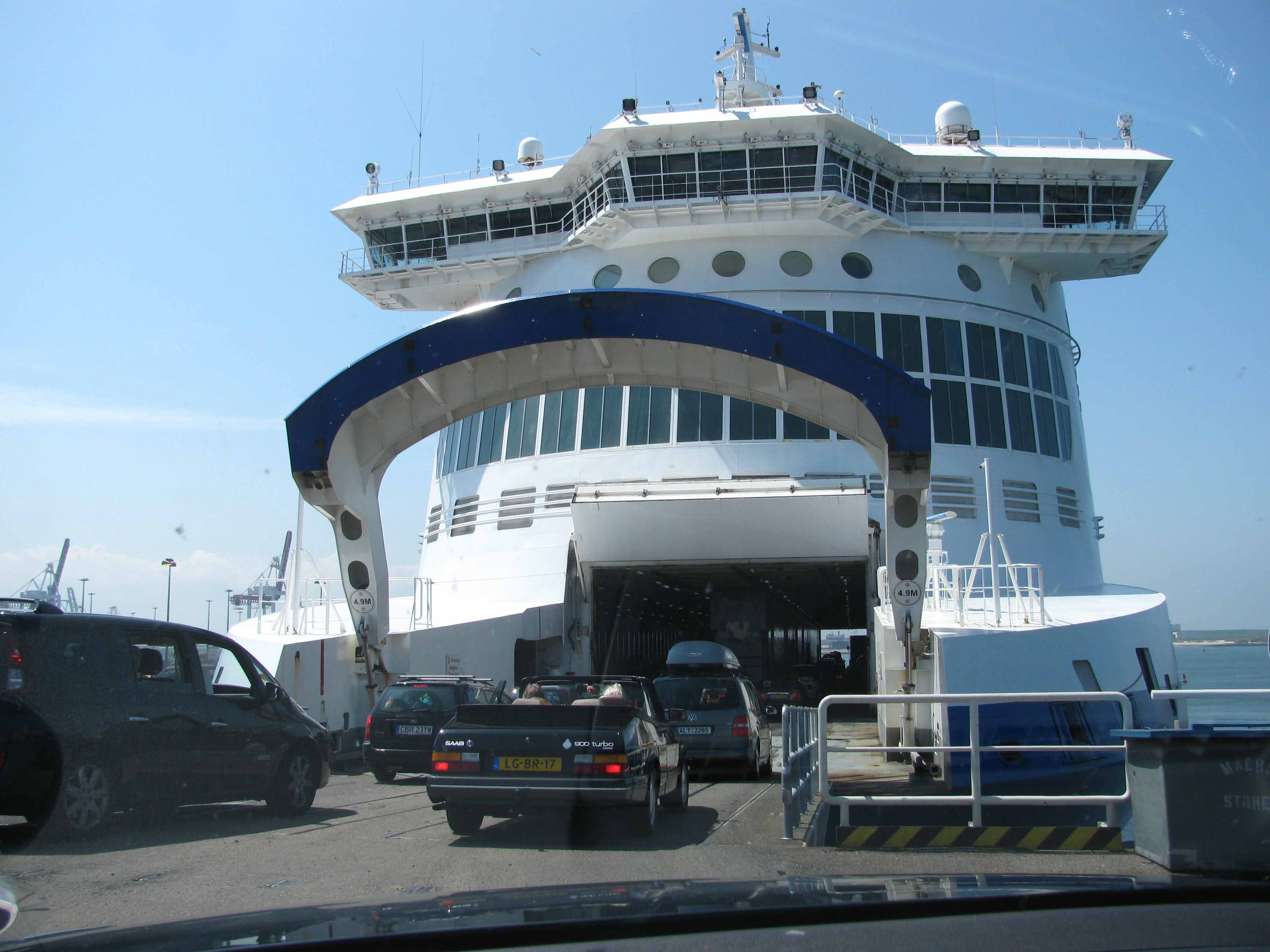
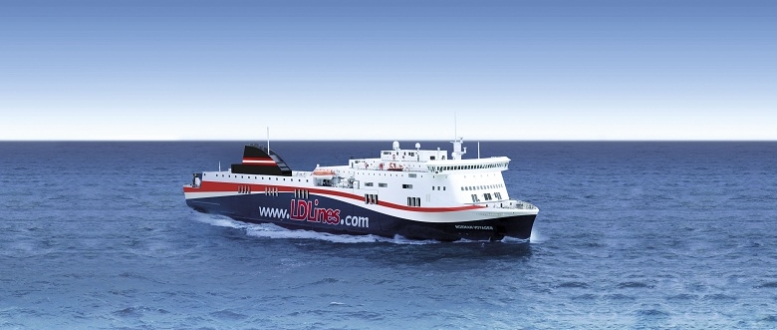
Bless her, but LD Lines’ Norman Voyager is not built for romance, and neither is the English Channel in February. You might be clinging to each other out of necessity rather than passion. Either way the voyage will bring you closer together.

Dinner is in the forward facing (self service) restaurant. Departing at 11pm means you won’t need the day off work.

The fare of £188.50 for two on Thursday 14 February is not pennies but that covers the crossing and a night’s accommodation, in an outside cabin. An inside cabin is £144.50. Those in long term relationships might get away with reclining seats for £79.50. You might be able to upgrade on board if you change your mind.

You pass through typically French towns and villages along the Seine Valley

You pass through typically French towns and villages along the Seine Valley

The Seine Valley
At a push you could be in Paris in two hours from Le Havre, it’s just 120 miles on the autoroute (€19.20 toll).

But an 8am start means you have time to trace the lavish twists and turns of the Seine – which meets the sea at Le Havre – as it meanders its way towards the City of Light.

There are lots of pretty towns and villages on the way, including the mediaeval fortress at Les Andelys, or Giverney for Monet’s house, garden and museum. For a blow by blow account of the Seine Valley see here. You can dawdle and make up time on the motorway which shadows the route.

Going this way means it’s impossible to go wrong, so no vicious slanging matches over the map. Just follow the river. Eventually you’ll find yourself in the centre of Paris.

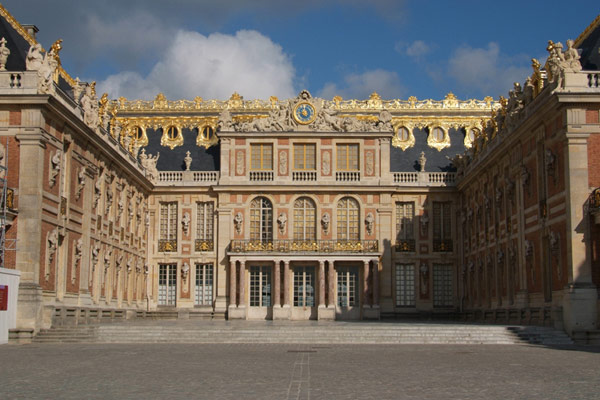
A very small part of the Palace of Versailles

A very small part of the Palace of Versailles

Versailles
You have to do a little navigating to reach Versailles; it’s on the south west outskirts of Paris while you approach from the north west. But the river comes within five miles of Versaille’s elaborate gates and is very well signposted, as is parking as you get closer.

The beauty of driving to Versailles – as opposed to a whole-day trip from the city – is that you can take in as much or little as you want. For a powerful impression of Versailles’ spectacular immensity walk around the gardens, for free. It costs €6 to park the car.

For the whole hog – you could be here by 10am – there’s a two-fer low season offer which means two people get access to everything for €18, a saving of over 50%. Just be aware that Versailles is closed on Mondays.

Breakfast at the Terrass Hotel, Montmartre

Breakfast at the Terrass Hotel, Montmartre

Paris
Instead of trying to do the entire city in a limited time, why not get to know just a small part?

The 18th Arrondissement, just over a mile due north of the city centre – turn left at Pont Neuf – is home to Montmartre, the Sacre Coeur and the world’s biggest and best flea market – the Marche aux Puces de Saint-Ouen.

Popular with students and creatives, money goes quite far in the 18th. There are lots of good value places to stay while being in a hilly part of the city means there’s always the chance of a great view. We’re very tempted by the Terrass Hotel with its breakfast room views of the Eiffel Tower. If you want that view from your room it costs €231 B&B on 14 February… Secure parking is nearby at €19 per day.

The countryside around Epernay in the Champagne region.

The countryside around Epernay in the Champagne region.

Rheims/ Epernay
The problem with short trips is that no sooner have you started then it’s time to go home. The key is to have something to look forward to on the last day. A stop at a famous champagne house would be a fine finishing touch.

Rheims (Reims), epicentre of the Champagne region, is just ninety miles due east of Paris. That’s a couple of hours motoring, perfect for a lunch stop (€10.20 toll).

Tourists are very well catered for. The tourist office has a ready to roll route if you want to take in all three of the Champagne regions, and is great way to get access to the lesser known houses.

Twenty miles south west of Reims is Epernay, home of Moët & Chandon, one of the few major houses to offer tours of their cellars. Moët’s visitor facilities re-opened in late January after a major overhaul (open at the weekends from 23 March). A guided tour, including a glass of champagne, is €16.50 each. Beware of French drink driving laws, one glass is the absolute maximum for a driver.

Convertibles strictly optional on Valentine's tours

Convertibles strictly optional on Valentine’s tours

Homeward Bound
Hopefully it’s not with a heavy heart that you turn for home. It’s been an action packed couple of days. Allow yourself a wry smile as you take to the A26 back to the Channel, it’s a fabulous road.

The scenery isn’t amazing but the A26 is new, smooth, wide, quiet and, with long flowing curves, fast too. It entirely possible to cover the 170 miles back to Calais in two and a half hours. With a national limit of 81mph (130kph, unless it’s raining when it’s 110kph) you can afford to cruise at around 85mph without worrying about the law. The toll’s a bit steep though at €21.30.

To arrive back before in the UK before you left France, thanks to the time difference, take Eurotunnel. The 18:00 train on Sunday 17 February is £82. If you fancy more of a breather before tackling the final leg, P&O or DFDS will get you back at around the same time for as little as £37.

picture used on Wikicommons licence

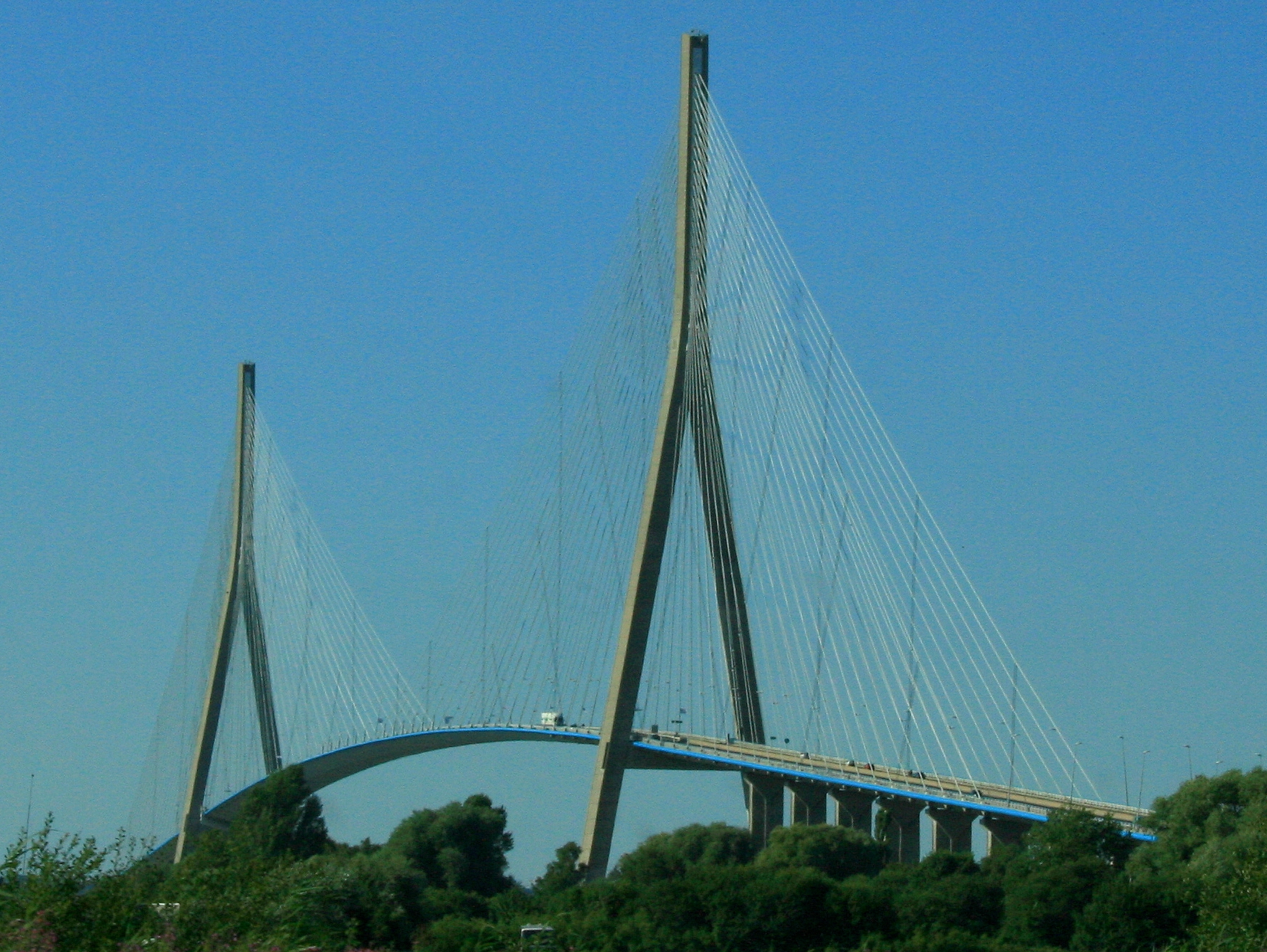
Pont de Normandie, picture used on Wikicommons licence

Guide Costs
On an absolutely no holds barred spend fest you can do this trip for under £1000 – woo! – but you could have a memorable time for half that, all in.

For instance, the return trip on LD Lines’ Le Havre-Portsmouth costs little more than sailing one way. The boat back leaves late afternoon, arriving in the UK in the evening so you don’t need a cabin. Driving back along the Seine Valley saves 140 miles, and if you drive on the other side of the river virtually your last act on French soil will be crossing the awesome Pont de Normandie bridge (toll €5.30) into Le Havre.

The Paris hotel bill is ripe for culling but don’t forget that great views make for unforgettable experiences, and expensive hotel rooms mean you naturally want to make the most of them.

Trip total £740 + meals and spending money: Portsmouth-Le Havre £188.50 – Tolls £30 approx – Paris hotel £250 – Champagne tour £50 approx – Parking £40 approx – Calais-Dover £82 – Petrol £100 approx, based on 550 miles starting and ending in London, 75 litres for medium sized car at an average £1.35/ litre is £101.25.

Let the Battle of Le Havre commence!

As the Chunnel tightens its grip on the Dover Strait, competition is heating up in the Western Channel. Brittany Ferries takes the fight to DFDS with a new high speed service Portsmouth – Le Havre.

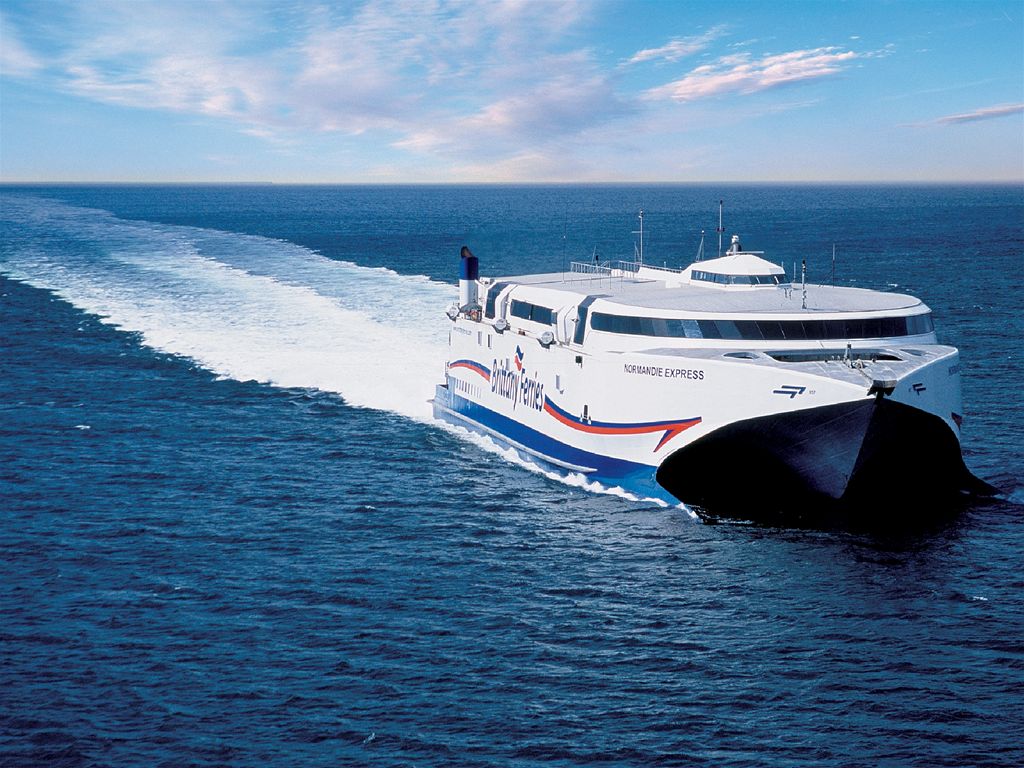
Brittany Ferries starts its high speed Portsmouth-Le Havre service in May.

Brittany Ferries starts its high speed Portsmouth-Le Havre service in May.

Dominant western channel operator Brittany Ferries has moved to consolidate its position with a new service to take on up-start DFDS.

The move is the latest in a series repositionings by English Channel operators and comes a few weeks after Eurotunnel said it had taken the majority of Dover Strait traffic for the first time.

DFDS – which merged with LD Lines last year, and this year consolidates their combined routes under the DFDS banner – currently runs an overnight service Portsmouth – Le Havre (with the return journey starting in the late afternoon).

The company advertises fares for two+car without cabin from £39 each way before 30 April 2013. Cabins start at £12 per leg. The cheapest option in the last two weeks in July 2013 is £199 return.

Starting 17 May (until 8 September) from Thursday to Sunday, Brittany Ferries’ high speed Normandie Express catamaran will make the same crossing in 3h 45mins.

The ship departs Portsmouth at 07:00 and arrives at 11:45. There is no word yet on fares. It is unclear if the new service is in addition to, or replaces, existing services.

Rival DFDS/ LD Lines currently runs an overnight service Portsmouth-Le Havre on Norman Voyager

Rival DFDS/ LD Lines currently runs an overnight service Portsmouth-Le Havre on Norman Voyager

Portsmouth is 75 miles south west of London on the A3 and A3(M). Le Havre is just across the mouth of the River Seine from the historic resort Deauville, via the amazing Pont de Normandie bridge and Honfleur.

The centre of Le Havre may well be a UNESCO World Heritage Site but that was for the work of Auguste Perrot ‘the poet of concrete’ and may not be to everybody’s taste.

Paris is 122 miles away with a toll of €19.20 (compared to 180 miles and €19.80 from Calais) along the beautiful Seine Valley. Notable stops include Rouen, the mediaeval fortress at Les Andelys and Giverney for Monet’s house, garden and museum. Le Mans is a useful 160 miles south (though the nearest port is Caen).

Where did the Tesla European tour go?

Tesla is rapidly becoming a cult brand in the United States. How will it fare in Europe? It doesn’t look great so far…

@TeslaMotors

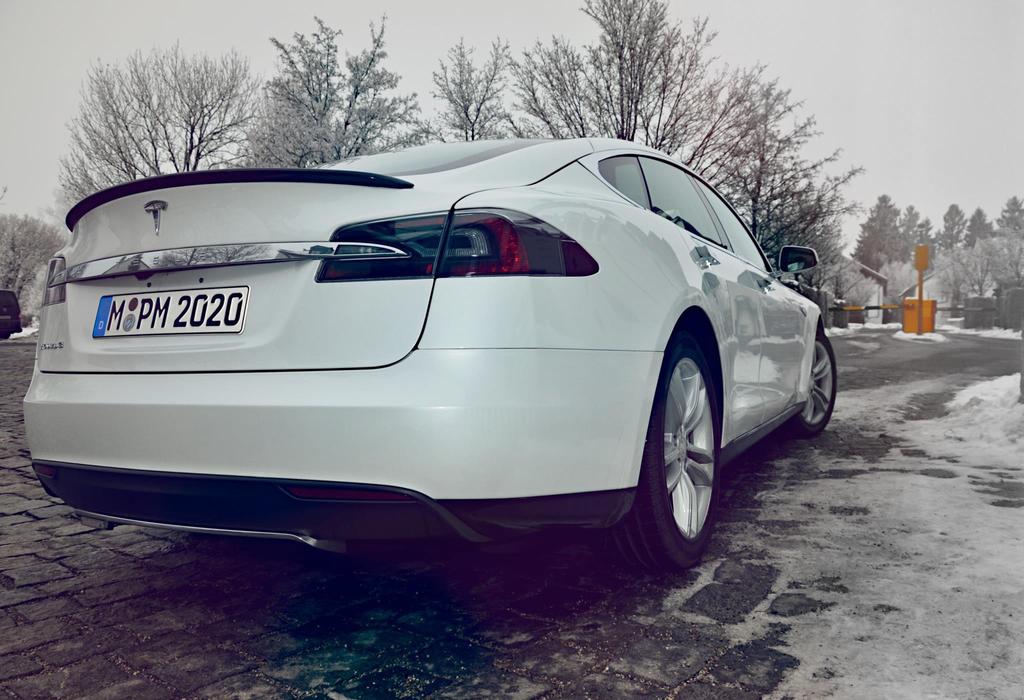
Tesla Model S in Munich @TeslaMotors

A hugely excited tweet from Tesla last Thursday evening (24 January) announced the start of its major sales push in Europe. The first Continental deliveries of its much anticipated all-electric Model S luxury saloon start in late spring.

‘Europe is about to #goelectric!’ promised the tweet. ‘The European #getamped tour kicks off tomorrow in Munich!’

That was more or less the last we have heard of it.

The goelectric hashtag has had nothing about the tour all week while we could only find one tweet under #getamped, an Instagram of a lonely row of demonstrators parked up behind a small sign in Zürich, from @amebuttons.

Possibly the trendy, early adopter types first in the queue for the Model S are not into Twitter. The tour was also announced quite late; emails apparently only went out to customers on 16 January.

Even so, it seems Tesla is struggling to, er, generate the kind of all-out enthusiasm seen in the States where there are already fan clubs and forums buzzing on a daily basis.

The company founder Elon Musk’s on-going public spat with Boeing about the aero manufacturers ‘inherently unsafe’ lithium ion batteries adds continuous fuel to the, er, fire.

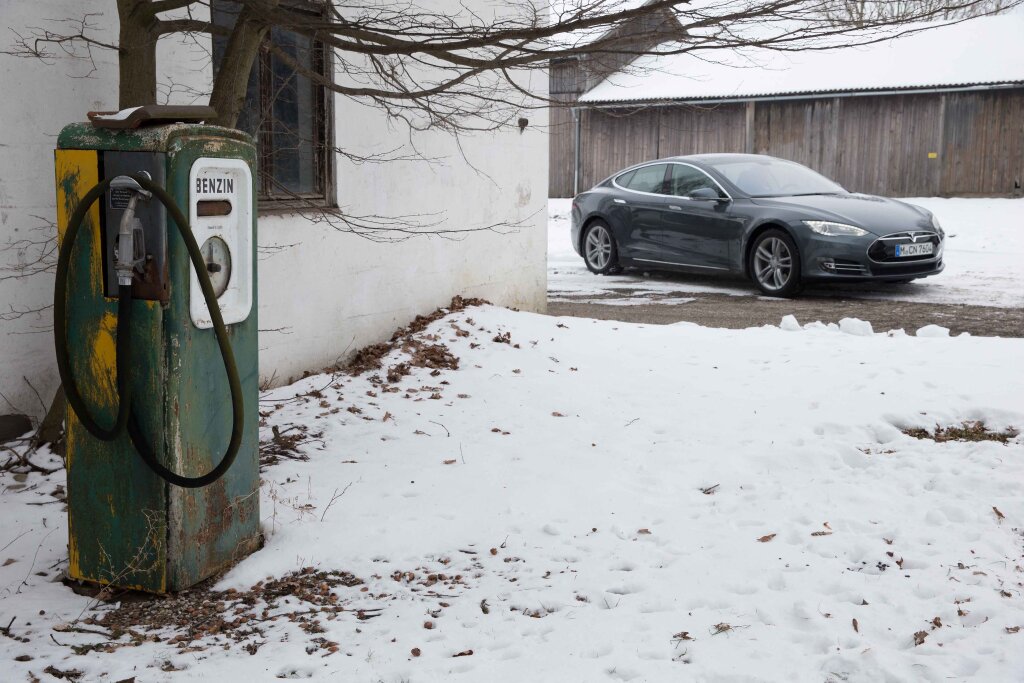
Tesla’s high performance battery technology could represent not just a game changer for electric cars - and all vehicles - but also the wider American auto industry which has failed to meaningfully penetrate foreign markets in recent decades. Picture @TeslaMotors

Tesla’s high performance battery technology could represent not just a game changer for electric cars – and all vehicles – but also the wider American auto industry which has failed to meaningfully penetrate foreign markets in recent decades. Picture @TeslaMotors

We did ask for comment from Tesla. Someone from the United States went through all DriveEurope’s articles about electric cars later that evening but we didn’t hear back.

To be fair, we discern the #getamped tour is more localised affair than a high profile transcontinental convoy. A fleet of Model Ss will appear at a series of European dealerships through out February offering short test drives for those who have already ordered a car.

‘Your driving session will be approximately 10 minutes long,’ says the bumpf, ’and will follow a predetermined route, designed to highlight the capabilities of Model S.’

After Munich the cars move on to Zurich then Antwerp and Hamburg before finishing in Copenhagen on 24 February.

The tour won’t come to the UK. UK prices are yet to be announced. European prices start at approximately €72,600.

Amilcar and Bugatti. Tied in a fatal embrace.

Poor Amilcar, always dismissed as ‘the poor man’s Bugatti’. Was it deserved? Wealthy artist and photographer Jacques Henri Lartigue clearly didn’t think so.

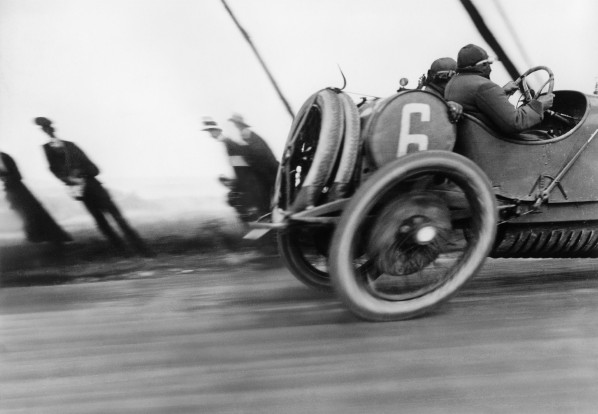
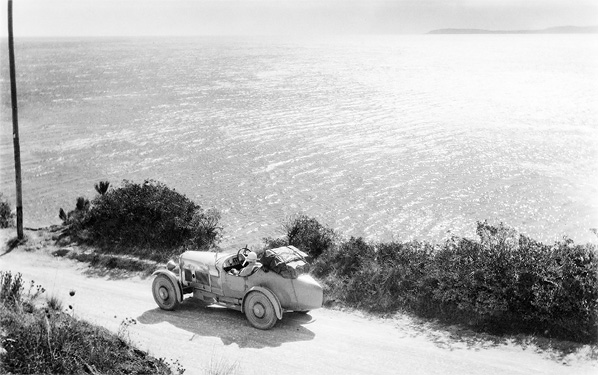
His evocative ‘Mediterranean Sea, 12 September 1927’ could be much more than a holiday snap shot. It might even raise questions about the death of notorious dancer Isadora Duncan a few days later.

.
Photograph by Jacques Henri Lartigue © Ministry of Culture – France / AAJHL

‘Mediterranean Sea, 12 September, 1927’, Jacques Henri Lartigue © Ministry of Culture France – AAJHL

.

You don’t win the Monte Carlo Rally by accident. Or the Bol d’Or, the world’s first 24 hour race.

But with just 40bhp from their 1098cc side valve engines, Amilcars’ top speed would never be a strong point, even for the time. Solid rear axles made them tricky in the corners too though on loose surfaces the lack of a differential could be an advantage.

They were also quick off the mark thanks to a torquey four cylinder motor and lightweight aluminium bodies. Jacques Henri Lartigue’s Amilcar CGS3, above, weighed just 650kg. That made for light steering, beneficial on long distances. Brakes on all four wheels, rare for the time, completed the package.

Amilcar’s Monte Carlo victory came the same year this picture was taken, 1927. A very different event to these days, competitors started from all over Europe and ‘rallied’ in Monte Carlo. Points were awarded based on the distance driven, the state of the car when it arrived and the number of passengers (for an insight into the 1927 rally, see this excerpt from the biography of one of the – female – competitors).

The Age of Speed

Eventually Lartigue had to work for a living but in 1894 he was born into one of France’s wealthiest families. He had a ring side seat on a fast developing period of history and seized the opportunity literally with both hands after getting his first camera aged eight.

In 1906, the family bought its first car, a Panhard-Levassor 18 * 24 HP, often used to visit airfields and motor races. Lartigue took photos of the early test flights and the pilots too, including Wilbur Wright and Louis Blériot.

A few months after learning to drive in March 1911 he was hanging out in the Bois de Boulogne, taking snaps of the trendy ‘elegantes’. He escaped the draft in 1915 on health grounds, drove a tiny Peugeot and photographed the 14 year old World Champion tennis player Suzanne Lenglen training in Nice. By 1917 he had a Pic-Pic racing car.

‘I always had sports cars,’ he told the BBC in 1983. ‘They intrigued me.’

.

Photograph by Jacques Henri Lartigue © Ministry of Culture – France / AAJHL

Photograph by Jacques Henri Lartigue © Ministry of Culture – France / AAJHL

.

You will notice Lartigue’s car is right hand drive, a pointer to its motor sport origins. Circuits were mostly clockwise so the driver sat on the right for the best view, and the best weight distribution.

Incidentally, the luggage is strapped over the third seat hatch.

Because of its large exhaust, with an exit further left than usual, Amilcar expert Rod Martin thinks Lartigue substituted a souped-up engine.

The Trip

‘Having a motor car in this landscape is magical,’ Lartigue wrote in his diary. ‘The drive to Cannes along the narrow, deserted little road which follows the coastline via Golfe Juan is wonderful. A motionless sea falling asleep in the sunset with its eyes still open.’

This isn’t where the photo was taken however (they are driving in the opposite direction). It could be Corsica on the horizon but it’s more likely to be the long, thin Île du Levant off Le Lavandou. There aren’t that many islands along the Côte d’Azur.

DriveEurope hasn’t driven this road but we did cycle it in 2004, from Toulon to Saint-Raphaël. From Le Lavandou, the road closely traces the coast for fifteen miles towards St Tropez. Precisely where are they? We’d say just before Rayol-Canadel-sur-Mer. This bit of coast is quite built up now, hidden behind villa walls, but when we were there it was still possible to enjoy that same view.

This was Lartigue’s third trip to the Riviera that year. He had stayed with some of his famous friends, an actor in Beauvallon near Avignon and a playwright at Cap d’Ail on the border with Monaco. Both places are just off Route Nationale 7, Route Bleue – Route de la Morte! – the main road from Paris.

Other photos dated September 1927 were taken in Hendaye, the Atlantic coast resort on the Spanish border, 500 miles due west. It’s not an impossible itinerary but the trip isn’t mentioned in the diary. He would have to avoid the Pyrenees because Amilcars weren’t noted for their hill-climbing ability, though that might explain why he changed the engine.

.

Photograph by Jacques Henri Lartigue © Ministry of Culture – France / AAJHL

Photograph by Jacques Henri Lartigue © Ministry of Culture – France / AAJHL

.

Tragedy on the Côte d’Azur

The date of Lartigue’s masterpiece has some significance. Two day’s later – 14th of September 1927 – the legendary American dancer Isadora Duncan died just up the coast in Nice. Her ridiculously long scarf had become caught in the rear wheels of the car she was riding in and she was strangled.

As Gertrude Stein said of the incident, ‘Affectations can be dangerous’.

The lurid death of a famously theatrical, scandalous figure – she had performed bare breasted – was a huge story and made front pages around the world.

Even today, it’s widely held Duncan was passenger in a Bugatti (see the Daily Telegraph in 2009). The 1968 Vanessa Redgrave film has her meeting death astride a flaming red Bugatti Type 37. Actually, she was riding in an Amilcar CGSS – a lowered, racing version of Lartigue’s car – put beyond doubt by Matt Stone and Preston Lerner who even have the number plate.

But the Bugatti myth flourished, though Stone & Lerner exaggerate when they say, ‘Duncan dying in an Amilcar would have been like Princess Di being killed in the back of a Toyota Camry.’

Their much nicer comparison was with the modern Mazda MX-5: ‘an agile, spirited, and reliable sports car for the masses.’

.

Photograph by Jacques Henri Lartigue © Ministry of Culture – France / AAJHL

Photograph by Jacques Henri Lartigue © Ministry of Culture – France / AAJHL

.

The Theory

Lartigue’s CGS3 differs from regular cars in another, important, respect. The wheel spats were not standard either says Rod Martin. As we’ve heard, Amilcars had wire wheels. Perhaps Lartigue wanted his car to look more modern, or make the wheels easier to clean.

Or maybe he wanted to prevent scarves getting caught in the spokes?

‘Med Sea’ is a very different kind of picture from Lartigue’s usual dynamic shots. It‘s the opposite in fact, contemplative and still. Composed?

Despite the great photography Lartigue was really a painter and mixed with the great creative minds of the day (not least Picasso). ‘Med Sea’, along with the rest of his photo archive, didn’t surface until the 1960s. Meanwhile he obsessively organised and annotated them. It was the faithfully recorded time and place that marked out even his most hurried snapshots as social history.

If ‘Med Sea’ wasn’t contrived – or recast – then it obliquely foretold the elements of the major event that took place in that vicinity at that time: the car, the female passenger, the French Riviera and the unique wheels that, had they been fitted to Isadora Duncan’s car, would have prevented disaster.

If Lartigue did compose this picture, what else might he have been trying to say?

There’s a lot of luggage. Fair enough, they are away for some weeks, but don’t forget the seat cavity underneath. Could that luggage, strapped to the body, also be suppressing something?

There was only room for Isadora and her young lover in a two seat Bugatti, but Amilcars had three seats…

Conspiracy theories have swirled for years around Duncan’s death, including the supposed presence of a mysterious third person, and we’re delighted to be able to add our own.

It’s a great theory! Unfortunately, Duncan’s CGSS was also a two-seater. But if it’s not an elaborately constructed whodunnit, maybe it’s a poignant tribute? Not just to Isadora Duncan, whom he would have undoubtedly come across in the South of France, but also Amilcar’s important win on the Monte Carlo Rally earlier that year, possibly even on an actual road used by competitors.

More than likely – as ever – Lartigue was just in the right place at the right time that Monday afternoon, taking a holiday snap that still resonates nearly ninety years later. But the picture has another echo. Lartigue died on 12th September 1986, in Nice.

Afterword

Among the many speculations invited by this picture, for us the one at its heart is why a modern man, of every refinement, would forgoe the mighty Bugatti in favour of a humble copiste?

Was Lartigue’s family fortune in long decline before it was lost completely in 1935, or was he simply restrained in his tastes?

Or did his discerning eye fall upon the Amilcar and realise that – despite the lack of luggage space – with its sporting pedigree, reliability, purposeful stance and perfect proportions, it was – with some modifications – the ideal car for an artist on the move?

.

Photograph by Jacques Henri Lartigue © Ministry of Culture – France / AAJHL

Photograph by Jacques Henri Lartigue © Ministry of Culture – France / AAJHL

.

‘Mediterranean Sea, September 12th, 1927’ was featured on ‘The Riviera: A History in Pictures’ on BBC Four 15.01.13, available on iPlayer.

Amilcar’s later cars had bigger engines, six and eight cylinders, but by the time it was taken over by Hotchkiss in 1937 the company had returned to its lightweight roots. The Amilcar Compound of 1938 was an advanced front wheel drive coupe with a unitary body/ chassis and aluminium panels (and four wheel independent suspension and rack and pinion steering). The marque never reappeared after the war. You can pay £40,000 for a pedigree Amilcar these days but regular cars go for a few thousand pounds.

Lartigue finally achieved fame in 1963 after his photos appeared in the JFK assassination issue of Life magazine. Seen by a huge audience, overnight he became a great of 20th century photography. For worldwide stockists of Lartigue’s original prints click here. Prices range from €800 to €9,500, sizes from 24x30cm to 50x60cm.

While we are careful not to imply any endorsement, DriveEurope would like to thank the following for their help: Len Battyll, Rod Martin and Richard Lane from the UK Amilcar Register. The Register also holds information on many other contemporary French sporting cars. For more information see www.amilcar.co.uk

Also, thanks to ‘Donation Jacques Henri Lartigue’ for permission to reproduce the photographs. Lartigue donated his entire photo archive – some 100,000 prints – to the French nation in 1979. It is now held at Charenton-le-Pont, south east Paris. For more information see www.lartigue.org/indexus.php

.

Driving news digested: Belgium, France, and Hungary

Our round up of the week’s developments. The Belgian road toll plan (postponed), the latest in the Hungary e-toll saga (back on track) and France breathalsyers (postponed) and Parisian pedestrianisation (full steam ahead).

For the latest news see our Twitter feed @DriveEurope.

Reports last year that building works were underway to house Vignette sales outlets on Belgian borders were incorrect

Reports last year that building works were underway to house Vignette sales outlets on Belgian borders were incorrect

BELGIUM

National road charges postponed

The national toll-sticker plan has apparently been postponed until at least 2016.  Reports last autumn said the scheme would be introduced imminently, even that widespread building works on Belgian borders were for outlets to sell the ‘vignettes’. The European Commission said the time-based toll stickers could discriminate against foreign motorists, forced to pay a higher rate than locals especially on transit journeys. It is not certain if this lies behind the rethink. The system will be deployed on all roads, controlled by NPR cameras, and depends on agreement between the three Belgian regions, Flanders, Wallonia and the Brussels City Region.

Smog Alert

The national smog alert system came into play last Thusday. The speed limit on motorways was reduced to 90km/h (50km/h on local roads) and motorists advised to stay at home. Lack of wind caused particulate matter and nitrogen dioxide to build up. Restrictions were lifted early on Saturday morning. During that time 9,292 drivers were caught speeding!

The Hungarian government will press on with its e-toll system regardless (Magyarorszag is Hungarian for Hungary)

The Hungarian government will press on with its e-toll system regardless (Magyarorszag is Hungarian for Hungary)

HUNGARY

E-toll back on track

The new e-toll system will go ahead on 1 July 2013 as planned says the Hungarian government. Plans were put into disarray in early January after the winner of the tender, Getronics, pulled out at the last minute. The government was left with either repeating the tender or building and operating the system itself. It has opted for the latter to get the system in place as quickly as possible; the projected income is a significant slice of the national budget this year. E-toll will only apply to vehicles over 3.5t but cars will be able to join voluntarily six months after it is introduced. Catch up with our previous report here.

Driving in the centre of Paris is about to get a little bit harder

Driving in the centre of Paris is about to get a little bit harder

FRANCE

Breathalysers

The on again off again disposable breathalyser saga continues. Reports say the rule has been postponed again ahead of a definitive announcement in February. The requirement for all motorists to carry at least two disposable breathalysers in France came in last July, with fines applying from November, but supply problems and doubts over the units’ accuracy have so far put the law on hold.

Central Paris pedestrianisation

The stretch of road between Musee d’Orsay and Pont de L’Alma on the left bank of the River Seine in central Paris was permanently closed to cars on Monday. The famous ‘Rive Gauche’ will reopen in the Spring as a public garden. It’s the latest step in controversial plans to tackle the city’s chronic congestion, and boost tourism, including the ‘Paris Plage’ artificial beach and a ban on classic cars in the city centre.

And Finally

The motorways in Brittany are famously toll-free, but a single speed camera in Rennes caught 8,000 motorists a day between 22-26 January after a temporary speed restriction was poorly signed. A petition is underway to have the €1.4m in fines levied withdrawn… The Eco-tax toll for trucks, dogged by uncertainty, will start in June… Road deaths in France dropped 8% in 2012 to the lowest level since 1948 when records began.

NEWS BULLETIN: Eurotunnel majority; Norway Tunnel Safety; World traffic falling; Drunken rumpus doubts +++

Eurotunnel takes the majority of Channel traffic for the first time

The number of cars carried by Eurotunnel jumped 7% in 2012 – to over 2.4 million journeys – despite the overall cross-channel market shrinking by 2.4% – according to figures published by the company yesterday. Its market share was 50.8%, up 4.4 points over 2011.

Total revenues for the year were up 14% to just short of the €1bn mark at €993.1m. The only fly in the ointment was a 3% fall in rail freight. Profits, or not, will be announced at a later date.

Asked to comment on the UK’s anticipated ‘In-Out referendum’ announced the same day, Eurotunnel Group chief Jacques Gounon told the Daily Telegraph that 90% of Eurotunnel customers would be in favour of continued European integration…

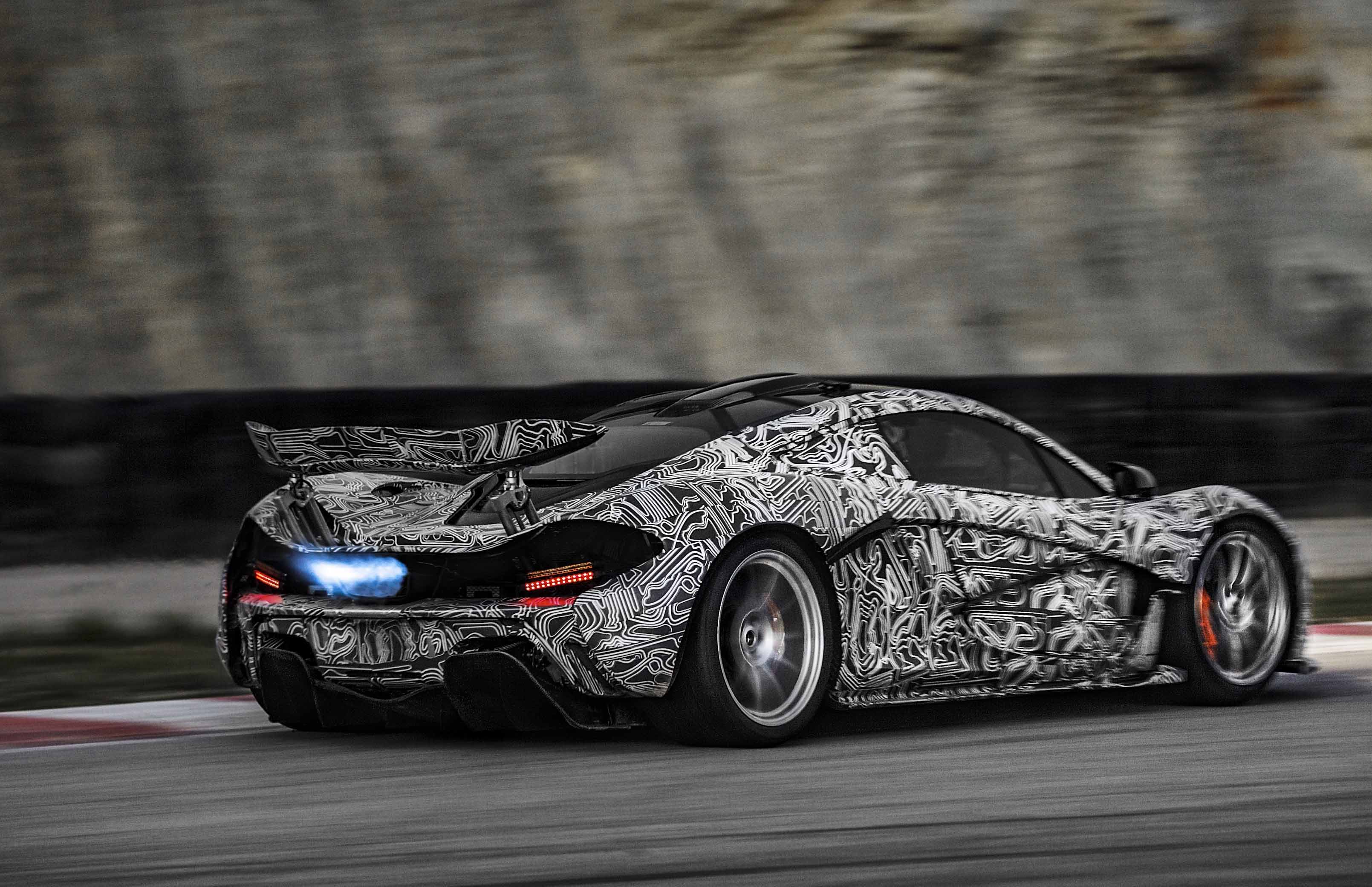
McLaren has released images of its new P1 megacar testing ahead of an expected reveal at March’s Geneva Motor Show. Precise details on price, power and performance - and luggage space! - are still scarce. McLaren did say that the camouflage graphic is made of up racing circuits important to the company in its near 50 year history.

McLaren has released images of its new P1 megacar testing ahead of an expected reveal at March’s Geneva Motor Show. Precise details on price, power and performance – and luggage space! – are still scarce. McLaren did say that the camouflage graphic is made of up racing circuits important to the company in its near 50 year history.

Profs ask ‘why are traffic levels falling?’ (clue: it’s not the recession)

Who knew there were 32 transport professors in the UK?! The signatures on their open letter to the Secretary of State for Transport this week took up more space than what they had to say.

And though their call for Patrick McLoughlin to seriously consider road pricing was widely reported – there’s an enormous pile of similar reports somewhere in the Department for Transport – surely the most interesting bit is paragraph three:

‘Recent evidence from the UK and internationally shows signs of road traffic growth leveling (sic) off, even after accounting for lower than anticipated economic growth. These trends are something which the Department for Transport has never forecast and which we are only beginning to understand. Whilst a growing population may well exert an upward pressure on demand, the basis for major infrastructure spending decisions appears to be changing.’

A report by Google last year noted a similar trend. It attributed the drop off to social media; people these days have less reason to travel. But perhaps, 120 years after the car was invented, humanity has passed through the infatuation stage and car use is now settling down.

Whatever. But like the financial system was built upon the assumption that house prices would keep on rising, transport planning is underpinned by the assumption that traffic levels will always continue to rise too. If they don’t, what then?

The all-new Chevrolet Corvette Stingray launched at the Detroit Motor Show, will be available in right hand drive in 2015. Extensive use of aluminium and carbon fibre sees a highly competitive kerb weight of less than 1400kg. Its 6.2 litre V8 engine - allied to a 911-style 7 speed manual gearbox - produces 450bhp. A removable roof panel completes the package. LHD cars arrive in Europe later this year priced around £50,000.

The all-new Chevrolet Corvette Stingray launched at the Detroit Motor Show, will be available in right hand drive in 2015. Extensive use of aluminium and carbon fibre sees a highly competitive kerb weight of less than 1400kg. Its 6.2 litre V8 engine – allied to a 911-style 7 speed manual gearbox – produces 450bhp. A removable roof panel completes the package. LHD cars arrive in Europe later this year priced around £50,000.

Cheese disaster focuses attention on Norwegian tunnel safety

Twenty seven tonnes of burning cheese closed a tunnel in Norway last week and is expected to keep it closed for another two weeks at least. A truck carrying the load of Brunost, a Scandinavian sweet cheese, caught fire 300m from the southern entrance of the 3.6km long Brattli Tunnel near Tysfjord in northern Norway last Thursday. The blaze was still going early this week, causing extensive damage according to local reports.
Brattli tunnel has never been rated in the European Tunnel Assessment Programme though thirteen other Norwegian tunnels have, mainly in the south. The results were highly variable, often poor or very poor. An OECD report in 2006 noted the country has an exceptionally low overall traffic accident rate but said there was ‘considerable risk potential’ in Norwegian tunnels, particularly for fire.
Norway has 844 road tunnels, total length 768km, including the world’s longest, the Lærdal Tunnel at 15 miles, on the E16 Oslo-Bergen.

Rural Drink Driving Plan Gains Momentum

Local plans to raise the drink drive limit for rural drivers have been quashed by Ireland’s transport minister. Councillors in County Kerry passed the motion on Monday evening, to allow the socially isolated greater leeway on drink driving levels. The five councillors who voted in favour – seven abstained, twelve were absent – were all reportedly linked to the pub trade. The idea has since been picked up by another councillor in Galway. Ireland reduced its drink drive limit to 50mg/ 100ml of blood in October 2011. Road fatalities dropped to a record low of 161 in 2012.

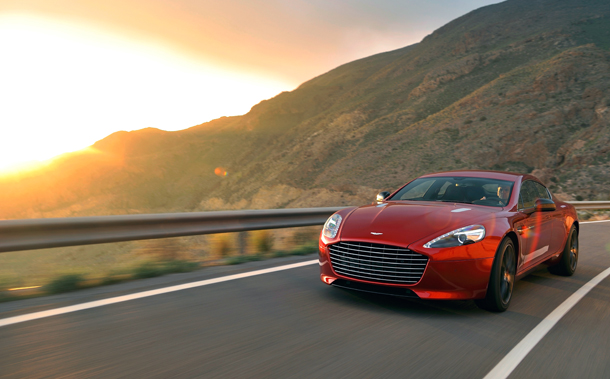
Aston Martin’s four seat GT car has received a comprehensive update and been recast as an all out sportscar. The Rapide S has an all-new 6 litre V12 engine sitting 19mm lower. Power rises 15% to 550bhp while emissions drop by 7%. It’s available to order next month, prices to be announced. The current car retails at £150,000 though used values have now dipped below £80,000.

Aston Martin’s four seat GT car has received a major update and been recast as an all out sportscar. The Rapide S has an all-new 6 litre V12 engine sitting 19mm lower. Power rises 15% to 550bhp while emissions drop by 7%. It’s available to order next month, prices to be announced. The current car retails at £150,000 though used values have now dipped below £80,000.

Missing officers spark investigation

Someone apparently involved has rubbished claims there was a ’drunken rumpus’ involving DFDS crew members at the Arno shipyard in Dunkerque last week. Seventeen workers were reportedly suspended after the alleged incident. A reader calling himself  ‘fifteenth’ said there was no rumpus, no drunken disturbance of any kind or fisticuffs. Fifteenth, commenting on a local newpaper website, said the investigation started after two senior officers failed to turn up for work the day after ‘a few ship mates went ashore to the Seamens’ Mission to relax and have a game of pool’. DFDS did not respond to a request for comment.

Ferry Special Offers

Meanwhile, P&O Ferries has extended its ‘20% off all fares until 20 December’ offer until 31st January, Dover-Calais only. Book using the offer code 4EQ8H95936. The company is also offering 3 day returns for £38 and 5 day returns at £48 for travel before 28th March. Click for more.

Discount ferry site www.Aferry.co.uk is offering return fares for a car and two people for £99 for trips of up to 60 hours on three Brittany Ferries routes: Plymouth-Roscoff, Portsmouth-Caen or Portsmouth-St Malo. Book by 28th January for travel before 20th March. Click for more.

As expected, the price of the Nissan Leaf electric car has now been reduced by £2500, to £23,490, including £5,000 government incentive.

As expected, the price of the Nissan Leaf electric car has now been reduced by £2500, to £23,490, including £5,000 government incentive.

EV suspense goes on

The government is adopting a wait and see approach to electric vehicles – both for sales of the vehicles themselves and the interoperability of charging infrastructure. The Office for Ultra Low Emission Vehicles was responding to a Transport Select Committee report on EVs. On sales OLEV says the evidence suggests it will be an ‘incremental and steady process’ though tougher global emissions regulations and the ‘startling’ benefits brought by EVs mean increasing sales are ’inevitable’. On interoperability it says different types of infrastructure each have different benefits benefits for customers and industry and that it is up to the market to decide (as we go to press it has seemingly been announced that the UK Department for Transport is aiming for 1.5m EV sales by 2020… to be confirmed).

Meanwhile, the European Commission announced today it would set minimum coverage of charging points in the EU by 2020 with a minimum 10% available to the general public, more details to follow.

Sunday digest: the week’s cars and driving stories

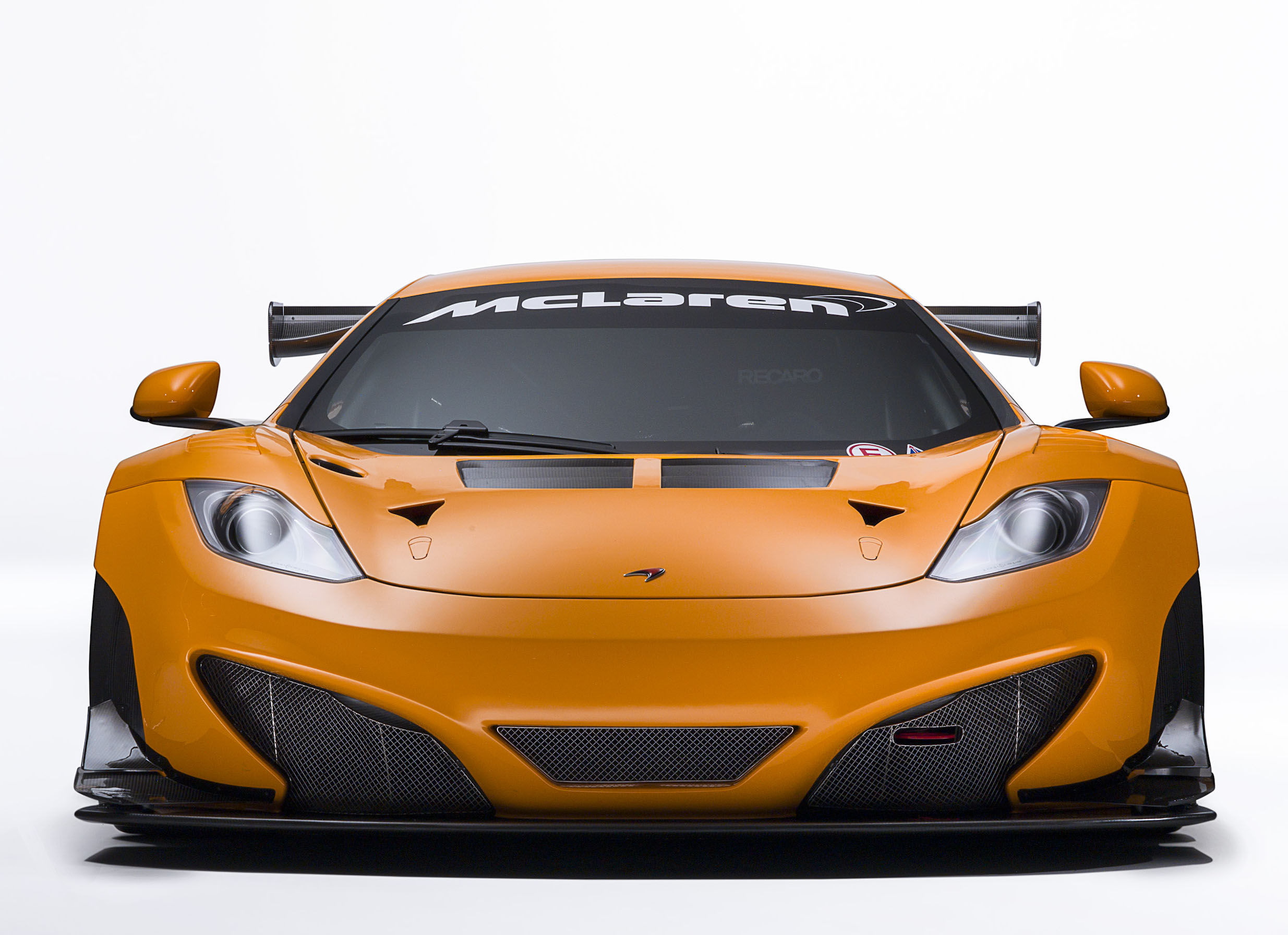
Regular drivers can buy McLaren’s 12C GT3 racing car for the first time this year. The rest of us can watch it race on circuits around Europe.

70295mclar_headon_a

Built to compete in FIA GT3 championships worldwide, McLaren’s 12C GT3 won 19 races in its debut season last year and gets a comprehensive update for 2013.

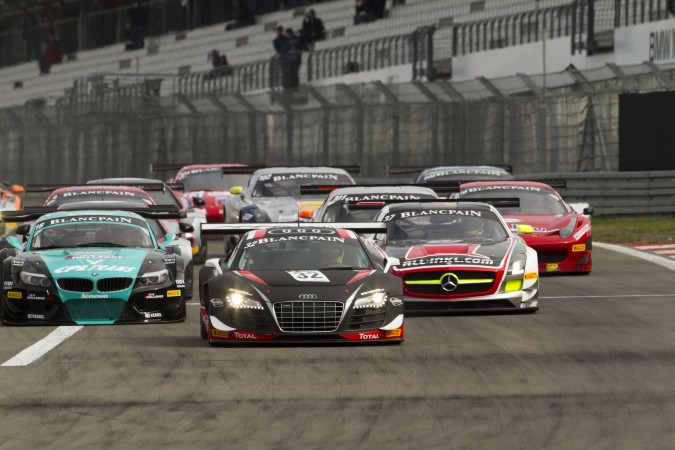
Nine time World Rally Champion Sébastian Loeb – also winner of this week’s Monte Carlo Rally – will drive one in the brand new, six round FIA GT Series.

Other manufacturers include Aston Martin, Ferrari, Porsche, Ford, Lamborghini, Audi, BMW and Mercedes, all run by private teams.

FIA_GT_Series_2013_image

A qualifying session is followed by two one hour races, the latter for points. Other well-known drivers include Mathias Lauder, Stephane Ortelli, Tomas Enge, Marcus Winkelhock – and Albert von Thurn und Taxis.

Five of the rounds are in Europe, including classic tracks Zolder in April (175 miles from Calais) and Zandvoort on the Dutch coast in July (240 miles). The season lasts from Easter (Nogaro, France) to October (Navarra, Spain). There’s a race on the Slovakia Ring near Bratislava in August.

The 2013 12C GT3 costs £325,000. Unfortunately, McLaren tells us that, like the 12C GT Can Am, it is not homologated for the road.

Snow Clogs Dutch Roads

Never let it be said that only the UK comes to a standstill in wintry weather. Holland suffers just as badly. As snow fell on Tuesday, traffic jams broke all previous records, at over 625 miles (in total).

Cops shun too high fines

There are also reports that whopping fines for traffic offences – €240 for tailgating; €350 for using the horn inappropriately – mean Dutch police officers are reluctant to impose them…

Sweden’s ‘Worst Accident’ amid Winter Tyre controversy

The 100 vehicle pile up, in thick fog and snow on the E4 near Helsingborg on Tuesday lunchtime, was one of the worst in the Sweden’s history. First accounts suggested multiple fatalities, later downgraded to one. 46 people were taken to hospital. Initial reports also put the blame on new winter tyre laws – since January 1, trucks only need winter tyres on driven axles, and even then only in icy conditions – but were later dismissed by police. The crash blocked both sides of the split carriageway bridge over the Rönne river valley to the north east of the city. The road is still closed while engineers examine the structure. The east-west E18 in central Sweden also closed overnight following a series of truck accidents.

Another week, another raft of electric car stories

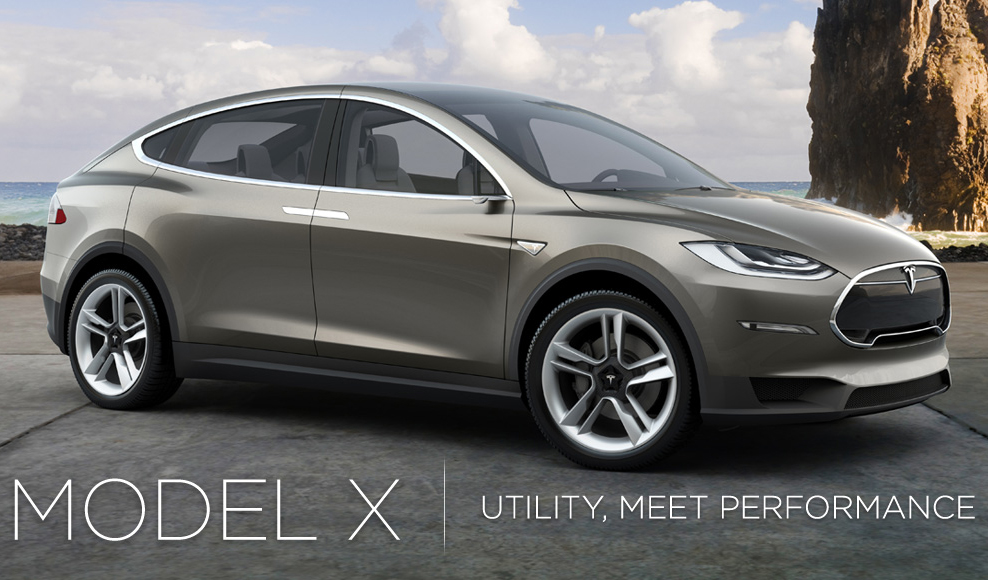
So Porsche didn’t launch the latest 911 Targa at the Detroit Motor Show as rumoured – looks like we’ll have to wait until Geneva in March. Instead, Tesla previewed its Model X, a seven seat electric SUV described as ‘faster than a 911’ with a 270 mile range and ‘falcon-wing’ rear doors. European sales are doubtful however… Tesla founder Elon Musk answered sudden safety questions following the grounding of all 787 Dreamliners after lithium ion battery fires by asking Boeing if they needed any help.

bg_01_modelx_prod-05-kc_0a

Nissan has slashed nearly 20% of the price of its Leaf electric car in the United States as part of an update which also cuts the charging time to four hours. Global sales were up 22% last year but still half the target. The Leaf – Norway’s 13th best selling car – currently costs £25,990 in the UK including incentive. A revised European version due out later this year will be cheaper too, but by how much is not confirmed.

The European Car Makers’ Association (ACEA) is urgently lobbying the European Commission to develop technical standards for charging plug-in electric vehicles. Its secretary general also said he wants ‘charging points on every street’.

At the same time, the Commission is seed funding a project which could see hydrogen infrastructure on the continent. Holland, Denmark, France and Sweden will collaborate in turning their local hydrogen hotspots into a useable network for hydrogen-fuelled cars. A pilot study between Aalborg and Fredericia in Denmark and Rotterdam in the Netherlands will examine the feasibility of hydrogen as a long range fuel… results to be published in late 2014.

New driving licence

A new standardised driving licence came into effect across Europe on Friday. It won’t affect UK drivers directly, our licence has used the format for some time, but it will mean licences recognised by all European police forces.

Tyre safety concerns

A survey by Michelin at a Leeds company found just 12% of cars had correct tyre pressures. 47% were dangerous, 6% very dangerous.

You're going the wrong way!

You’re going the wrong way!

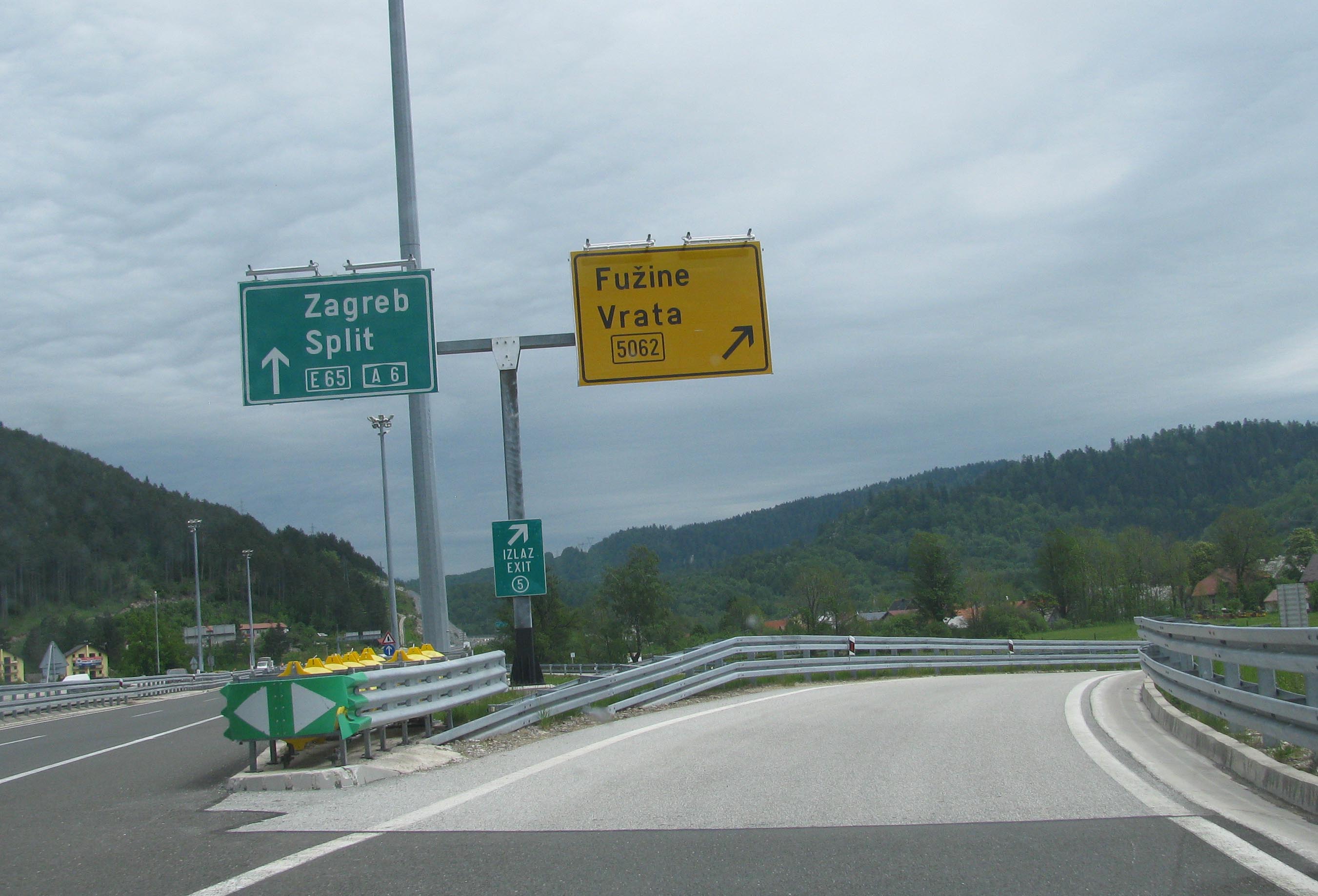
It’s been a week of mad jaunts across the continent. A Belgian woman drove 900 miles to Zagreb, Croatia, after her satnav apparently malfunctioned. She was only supposed to be picking up a friend from a station near her home in Hainaut… A 13 year old boy pinched his adoptive dad’s Mercedes and drove 600 miles in an effort to find his sister. The keen go-karter drove over 600 miles from northern Italy, refuelling twice, before being stopped 120 miles from the Polish border… And the quite tragic case of a pregnant former British soldier, with several tours of Iraq and Afghanistan under her belt, goaled for four years for drug smuggling. She was caught at the Chunnel, after a round trip to Amsterdam, her other child beside her, with £170k worth of heroin hidden in the hood of her convertible BMW.

Russia

Russian road safety statistics make horrifying reading. According to a Russian road safety campaign (in English – with thanks to @edijk_nl) over 5,000 pedestrians alone were killed by the end of Q3 2012 (compared to 453 in all 2011 in the UK) ). That’s no surprise judging by Twister Nederland’s latest video. If none of that puts you off we‘ve found a page on the Traffic Police official website (in English) that gives horse’s mouth requirements for driving in Russia.

Georgia

It’s shocking viewing but we admit some admiration for the driver of a BMW M5 filmed careering through the streets of Tbilisi. The film goes on for nearly 10 minutes, the man’s hand hovering over the handbrake. Meanwhile The Guardian reports an influx of farmers from the Punjab to Georgia, attracted by the cheap land.

4262a

Ski-touring

Finally, Daily Telegraph writer Yolanda Carslaw drove an Audi A6 Allroad from Chamonix in eastern France via Verbier and Val d’Anniviers to Andermatt, including a stint on the Furka Pass car train.

‘The driving is as exhilarating as the skiing,’ she writes, ‘the sweeping hairpins of the descent from the Col de la Forclaz into Switzerland feel like a World Cup downhill, with a thrilling view over the Rhône Valley, a patchwork of vineyards.’

What could have been an absolutely brilliant story – ski touring could be the next big thing in winter holidays, especially if winter tyres catch on – was downplayed into a short article on the paper’s website. Yolanda tells us the full length piece appeared in the winter issue of the Telegraph’s Ultratravel magazine.

Aston Martin’s Centenary ‘Gour Tours’ in the UK & Europe have mouth watering itineries

Gour Tours: drives in spectacular scenery punctuated by stops at the finest hotels and restaurants.

Among various special events held to celebrate its centenary, Aston Martin will host three exclusive ‘Gour Tours’, all built around – and including – its big central London party on 20th July.

.

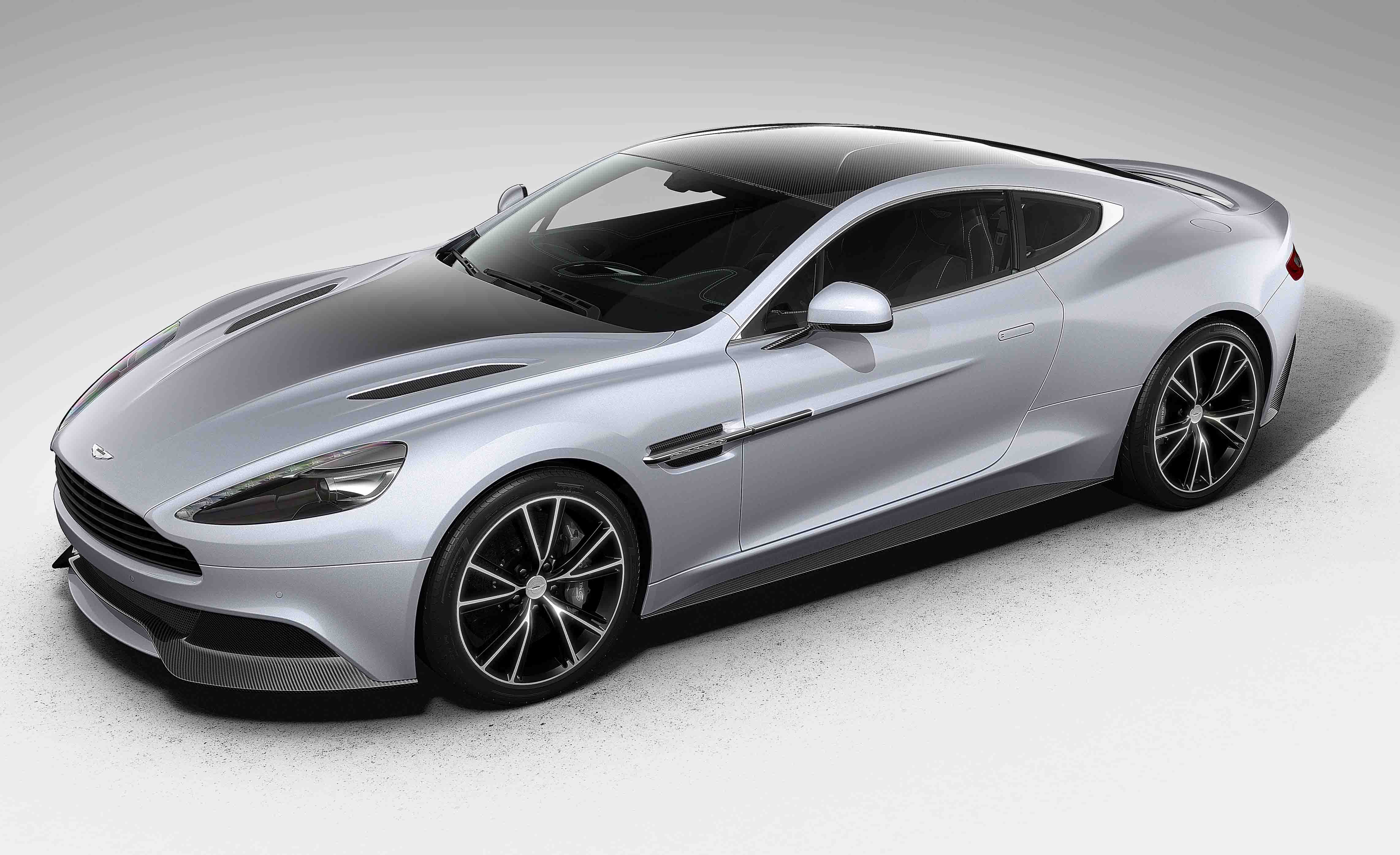
Aston Martin has released Centenary Editions of its four model lines, limited to 100 examples of each.

Aston Martin has released Centenary Editions of its four model lines, limited to 100 examples of each.

.

The Best of British

The week leading up to the party is ‘The Best of British’, six nights around England and Wales.

Stops include Luton Hoo, Lower Slaughter Manor in the Cotswolds, The Royal Crescent Hotel in Bath, Penralt Hotel on Aberporth Bay, Chewton Glen Hotel in the New Forest and Cliveden House in Berkshire.

Side trips include VIP tours of Aston Martin’s Gaydon factory, the Eden Project and Beaulieu. Priced at £7,200 per couple.

.

European Centenary Rally

Meanwhile, the European Centenary Rally starts at Villa D‘Este on the shores of Lake Como, northern Italy. The 1,000 mile drive home takes five days (and five countries) via Stuttgart, the Nürburgring and Bruges.

.

The Centenary cars’ graduated paint job takes 18 hours to apply by hand. The interior is trimmed in leather (only) previously used in the £1m One-77 hypercar while the wing badges are made of solid sterling silver. Prices on application.

The Centenary cars’ graduated paint job takes 18 hours to apply by hand. The interior is trimmed in leather (only) previously used in the £1m One-77 hypercar while the wing badges are made of solid sterling silver. Prices on application.

.

Highlands and Islands

The ‘Highlands and Islands’ tour starts the day after the party, also in Luton Hoo, before going on to Stapleford Park near Rutland Water, Cameron House on Loch Lomond, The Isle of Eriska Hotel on the west coast of Scotland, Skye, and finally Gleneagles.

Side trips include the Bridge of Weir leather factory which supplies Aston Martin’s hides and the Dalwhinnie Distillery. Priced at £6,600 per couple.

.

Prices are pretty much all-inclusive, plus ‘technician support’, documents, maps and luggage transfer. Hire cars are available at £3,000 each. Aston Martin will also transport cars to/ from the events. Register for more.

.