Do Not Cross France Without Enough Fuel

A quarter of France’s filling stations are affected as fuel shortages spread around the country, and the RAC issues uncompromising advice.

Also some links to find fuel in your area.

.

DO NOT CROSS FRANCE WITHOUT ENOUGH FUEL

Shortages widespread around the country.
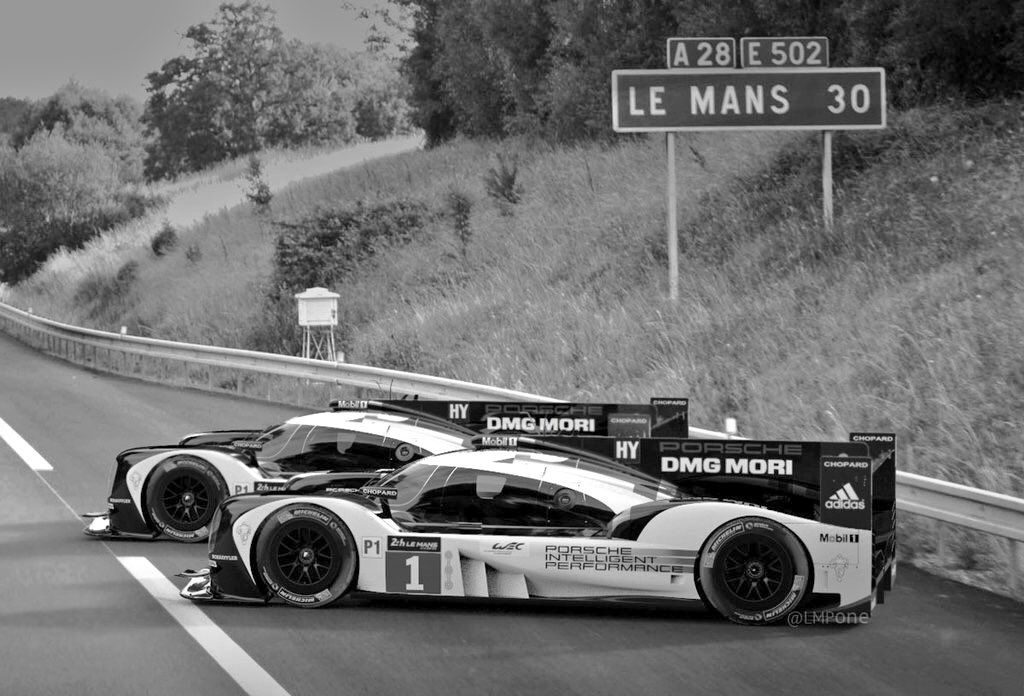
Porsche racers run out of fuel on the way to Le Mans. Not. Or at least not yet. Photo @FIAWEC

Porsche racers run out of fuel on the way to Le Mans. Not. Or at least not yet. Photo @FIAWEC

The French government is making all the right noises about forcing strikers to step down the blockades of oil refineries and depots.

The problem is it has been saying the same thing for the past few days without much success – though the blockade of the Fos sur Mer refinery at Marseille was broken overnight, and tankers have been driving in and out today.

Supply in the Pas de Calais part of northern France has also reportedly improved this afternoon, and Dunkerque. Meanwhile in the Rennes region, 350 trucks will deliver ‘millions of litres of fuel by tonight’.

However, workers in all eight of France’s refineries have now joined the industrial action.

Meanwhile, the situation overall has deteriorated since yesterday. Up to a quarter of the country’s 12,000 filing stations are now running out of fuel, either completely or partially (since increased to around 3500).

The biggest effects were concentrated in the north and northwest but now almost the entire country is struggling, at least in parts.

We have heard reports today of no fuel from Antibes in the south east and Avignon and Narbonne in the south west. Also sites across the border form Geneva are starting to struggle too.

For the time being, the RAC was right to say yesterday, ‘If you are about to cross France, it’s vital you have enough fuel to complete your whole journey otherwise you may well find yourself stranded’.

Resources: Mon Essence fuel comparison site has a real-time map of affected filling stations (as does Clubic and Le Parisien). SANEF autoroutes keeps and up-to-date list, as does freight refueller AS24. VisActu tweets regular updates about the areas of the country affected. See also this twitter list of all France’s prefectures, many of them with up to date info on the local area.

Yesterday: the situation in Nord Pas de Calais remains ‘very uncertain’ says La Voix du Nord. Exit filling station Eurotunnel France still reserved for emergency vehicles. Five out of eight refineries are reportedly not working though apparently the Seine-Maritime region Le Havre-Rouen is getting back to normal. The (opposed) FNTR haulier union says ‘the situation is deteriorating at breakneck speed’. Workers at the huge Le Havre refinery voted to join the strike. Catch up with what happened over the weekend.

.

France’s Fuel-Free Garages + Car-Free Motorways

A very strange day in France as filling stations run out of fuel and sections of motorway are shut off to vehicles.

.

FRANCE’S FUEL-FREE GARAGES AND CAR-FREE MOTORWAYS

Filling stations running dry despite government assurances.

Fete de l'Autoroute sees - for the first time - fifteen sections of motorway hut to vehicles to 'just do what you have never done on a motorway, run, stroll, watch, celebrate'.

Fete de l’Autoroute sees – for the first time – fifteen sections of motorway shut to vehicles to ‘just do what you have never done on a motorway, run, stroll, watch, celebrate’. It has been called a public relations exercise after controversy last year about ‘excessive profits’ made by the road operators. Fifty km of the network is closed in total with a range of organised activities – including a fun run on the Millau Viaduct, above. Most end at 17:00. Local diversions are in place. See Fete-autoroute.fr for individual details. 

Despite repeated reminders that the new labour law does not affect the haulage sector, drivers continue to block refineries and depots this weekend.

Added to the backlog from a long week of strikes, it means some filling stations have run dry, or customers are limited in what they can buy.

The minister for transport said yesterday the government had ‘made arrangements to allow the replenishment of filling stations this weekend, including allowing trucks to circulate’ but this does not seem to be happening.

Problems are concentrated in the northwest – Brittany and Normandy – and the north.

The filling station at the exit of Eurotunnel is currently reserved for authorities, for instance, while ‘filling stations throughout northern France Nord Pas de Calais have run out of fuel or have very long queues,’ according to La Voix du Nord.

Lille will be reportedly dry by this evening. Two more fuel depots in the Nord department have apparently been re-blockaded today.

Others say five out of the eight refineries in France are now blocked. Some garages in the Paris region are reportedly dry too.

The transport minister has also insisted strategic stocks are yet to be touched and says blockades will be broken if necessary. Meanwhile, things are reportedly getting back to normal in the Rennes region. See a map of areas affected including restrictions.

.

One writer describes the Mille Miglia as ‘The Old Man’s Gumball’ but – apart from an upturned Austin Healey from which the occupants escaped ‘almost unscathed’ – the event seems to have passed off without major incident. The most obvious difference between the two is that police on the re-creation of Italy’s storied road race rare the drivers on. Here #36 Giovanni Luca Murri and Massino Destro Castaniti pause after a lap of Monza in, fittingly, their 1927 B.N.C. 527 Monza. Photo @Lesmo27

One writer describes the Mille Miglia as ‘The Old Man’s Gumball’ but – apart from an upturned Austin Healey from which the occupants escaped ‘almost unscathed’ – the event seems to have passed off without major incident. The most obvious difference between the two is that police on the re-creation of Italy’s storied road race rare the drivers on. Here #36 Giovanni Luca Murri and Massino Destro Castaniti pause after a lap of Monza in, fittingly, their 1927 B.N.C. 527 Monza. Photo @Lesmo27

.

Moscow Wins International Most Improved Award

Some surprisingly sensible traffic measures win Moscow ITF’s prestigious ‘Transport Achievement Award’.

Lamborghini marks fifty years of the Miura on Great San Bernardino. The new truck toll is proving very lucrative for Belgium.

.

Moscow won a prize from the International Transport Forum yesterday for its efforts to clear congestion in the city. More later.

Once a byword for gridlock, the remarkable improvement in Moscow traffic sees it awarded the 2016 Transport Achievement Award this week by the ITF International Transport Forum (ITF). Despite the 600 new cars registered in the Russian capital each day, the number of cars in the centre has been cut by 25 percent; average speed of traffic has increased by 12 percent and the city has fallen from first to fifth in TomTom’s annual Traffic Index since 2013. What is more, it has been achieved without radical measures. The introduction of paid for parking and an expansion of the public transport system – buses, trams and metro – seems to have done the trick (see the full list of improvements here). ‘For many years, Muscovites believed that traffic jams were simply the price to pay for living in a big city. This has changed’, said Sergey Sobyanin, Mayor of Moscow. Photo Wallpaperscraft.com

.

Lamborghini-Miura-on-Passo-del-Grand-San-Bernardo

lamborghini-miura-on-passo-del-grand-san-bernardo.jpg

.

roundup: BELGIUM. The new truck toll rakes in €2.4 million each day. Around 130,000 trucks drive 24 million kilometres on the country’s roads every working day paying an average €18.50 each according to system operator ViaPass (via Flanders News) – around 60 percent of them foreign vehicles. The revenue is divided between the regions with 60 percent going to Flanders in the north, 38 percent to Wallonia in the south and 2 percent to the Brussels capital region. The money will be used to pay for road maintenance and cut taxes for citizens. Belgium introduced the electronic truck on 1 April. The charge was initially highly controversial and accompanied by three days of road block by angry hauliers, but the situation has calmed considerably since.

.

New Expo Highlights Route des Grandes Alpes

An exhibition at the route’s northern starting point highlights the nearly 700km ‘Route des Grandes Alpes’, from ‘the graceful shores of Lake Geneva to the sunny shores of the French Riviera’.

Also, a new Airstream within a few minutes of Venice, but it ain’t cheap. Germany attempts to get its electric car target back on track. The large rise in unaccompanied trailers crossing the Channel may be down to a shortage of drivers.

.

NEW EXPO HIGHLIGHST ROUTE DES GRANDES ALPES

From Lake Geneva to the French Riviera along the Alpine ridge.

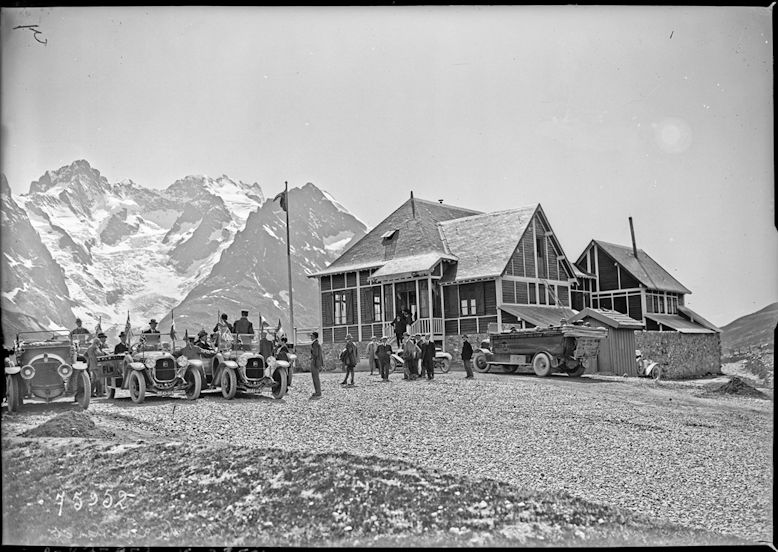
Col du Lautaret. Départ des autocars du chalet du P.-L.-M., 1922 Négatif sur verre, 13 × 18 cm. BnF/Agence Rol

Col du Lautaret, 1922. Photo via Maison Garibaldi

From ‘the graceful shores of Lake Geneva to the sunny shores of the French Riviera’ via sixteen mountain passes, six of them higher than the magic 2000m.

Touring Club de France first laid plans for the Route des Grand Alpes in 1896 with drivers able to use it from 1909.

The entire 684km route was finally inaugurated in July 1937 by President of the Republic Albert Lebrun on top of the freshly completed Col de l’Iseran (2770m).

Town archive Maison Gribaldi in Evian Les Bains, the original starting point on the southern shore of (French) Lake Geneva, is holding an exhibition of 200 Route des Grandes Alpes artefacts.

As well as photographs and Pathe news reels, the exhibition features a large collection of advertising posters.

In the early days, most people experienced the journey from the seat of a bus.

It’s incredible to think that mountain passes which are scary enough today with modern roads, and modern brakes, were happily driven by thousands in large rickety vehicles with – at best – shin height barriers.

Then, as now, the views make it all worth it.

The classic, original route starts in Evian-les-Bains followed by Cols des Gets (1170m), la Colombière (1613m), des Aravis (1486m), Les Saisies (1633m), Cormet de Roselend (1968m), de l’Iseran (2764m), le Télégraphe (1.570m) and du Galibier (2677m), Lautaret (2058m), l’Izoard (2360m), Vars (2111m), Cayolle (2327m), Croix de Valberg (1700m), Couillole (1678m), Saint-Martin (1604m) and Turini (1.607m) before arriving in Menton.

These days the entire route is signposted with white on brown ‘Route des Grandes Alpes’ posts for ease of navigation.

Towns along the way include Morzine, Bourg-St-Maurice, Briancon and Barcelonnette.

Route des Grandes Alpes is reliably open from June to October, local weather conditions permitting.

The exhibition runs until November, admission €3.50 adults, €2.50 children, free under tens.

See more on Route des Grandes Alpes at MoveYourAlps.com or find the roads at PassFinder.

.

Airstream aluminium caravans start at €72,775 to buy (+ VAT) so it is no surprise that Italy’s first holiday park devoted to the iconic American trailer works out a bit pricey too. Even so gobs were smacked to hear the per night prices at Camping Ca' Savio near Venice begin at €125 (and go up to €180). Okay, that includes a tent for the kids, an awning and wooden deck with table and chairs - and bed linen, towels and air conditioning - all ‘a few steps’ from the beach. But there’s a minimum three night stay plus a €45 cleaning charge. Having said all that, the site is just an hour’s drive from Venice, or 5km from a water taxi which drops near the Doge’s Palace after a 40 minute ride according to Glossy Glamping.

Airstream caravans start at €72,775 to buy (+ VAT) so it is no surprise that Italy’s first holiday park devoted to the iconic aluminium American works out a bit pricey too. Even so gobs were smacked to hear the per night prices at Camping Ca’ Savio near Venice begin at €125 (and go up to €180). Okay, that includes a tent for the kids, an awning and wooden deck with table and chairs – and bed linen, towels and air conditioning – all ‘a few steps from the beach’. But there’s a minimum three night stay plus a €45 cleaning charge. Having said all that, the site is just an hour’s drive from Venice, or 5km from a water taxi which drops at the Doge’s Palace after a 40 minute ride says Glossy Glamping.

.

roundup: GERMANY. A new €1 billion plan has been unveiled to kick start the electric car market. Buyers get €4000 towards the price of a pure electric car or €3000 towards a hybrid, allocated on a first come first served basis, and will be exempt from motoring taxes for ten years. Vehicles costing more than €60,000 are excluded. The long-time target has been 1 million EVs on the road by 2020 though with just 25,500 registered currently – and 135,000 hybrids – according to DW.de, the country will miss it by a wide margin. Meanwhile, some €300 million is reserved to build a network of 15,000 charging stations by 2020 says a release from the Transport ministry. A third will be fast chargers along autobahns and the rest regular chargers at shopping centres and the like. To put this in context, however, according to EU figures, the neighbouring Netherlands already has 18,600 chargers in place. CHANNEL FREIGHT. According to new figures from the UK DfT Department for Transport, the number of ‘goods vehicles’ crossing to the Continent fell by 1 percent in the twelve months to March – though that is still higher than the pre-Credit Crunch peak in 2007. Within that, the number of HGVs fell by 3 percent while the number of unaccompanied trailers increased by 6 percent. Foreign registered HGVs were also down 1 percent – ‘a change in direction to the long term upward trend that has been seen since 2009,’ says the DfT (though numbers did decline slightly 2011-2012 before recovering). Meanwhile, the number of UK-registered HGVs fell by 12 percent taking the share of domestic cross-Channel trucks down to 12 percent (from 13 percent in the year to September). The peak share of UK trucks was 52 percent in 1996. The DfT says the rise in the number of unaccompanied trailers may be due to the shortage of drivers in the UK.

.

European Cost of Parking Survey

London and Scandinavia top the per-hour parking charts – but Geneva is by far the most expensive for the whole day says a new survey.

Also, a Good Morning from a good value hotel 7559ft up Austria’s Grossglockner. Luxembourg triples fine for parking in disabled spaces. Outrage as Belgian region proposes a road toll for cars.

.

EUROPEAN COST OF PARKING SURVEY

London most expensive but Berlin surprisingly cheap.

IMG_0258

London edges out Stockholm for having the most expensive parking in Europe according to a new survey.

Euronews compared the average prices of car parks near historic city centres, and the prices according to time and place.

While the average cost of parking per hour is €3 in the 32 European cities examined, London comes in at €8, and Stockholm €7.65.

Next is Oslo at just over €6 with Amsterdam, Madrid and Copenhagen all about €5.

Cheapest is Bucharest and Sofia, the Romanian and Bulgarian capitals respectively, at €0.50 with Warsaw at €1.15.

Surprisingly cheap is Berlin at €2 per hour, around the same as Prague, Vilnius and Ljubljana, but also Brussels and Luxembourg.

Paris at €4 comes in alongside Vienna, Zurich and Athens.

In terms of parking for the whole day however, Geneva comes out on top at €66 with Paris at €36 and London at €48. The average is around €20 per day.

In our experience parking prices vary widely even within cities (Euronews found this too with per hour charges in London ranging from €3.80 in St Pancras to €11.40 in Oxford Street).

Meanwhile, on-street parking places may be free overnight but the hourly rates are normally much higher than underground or multi-story car parks, and they can be subject to strict warden-enforced maximum time limits, as well as being hard to find and less secure.

On-site parking at hotels is always preferred, but rates commonly top €20 per day here too. 

.

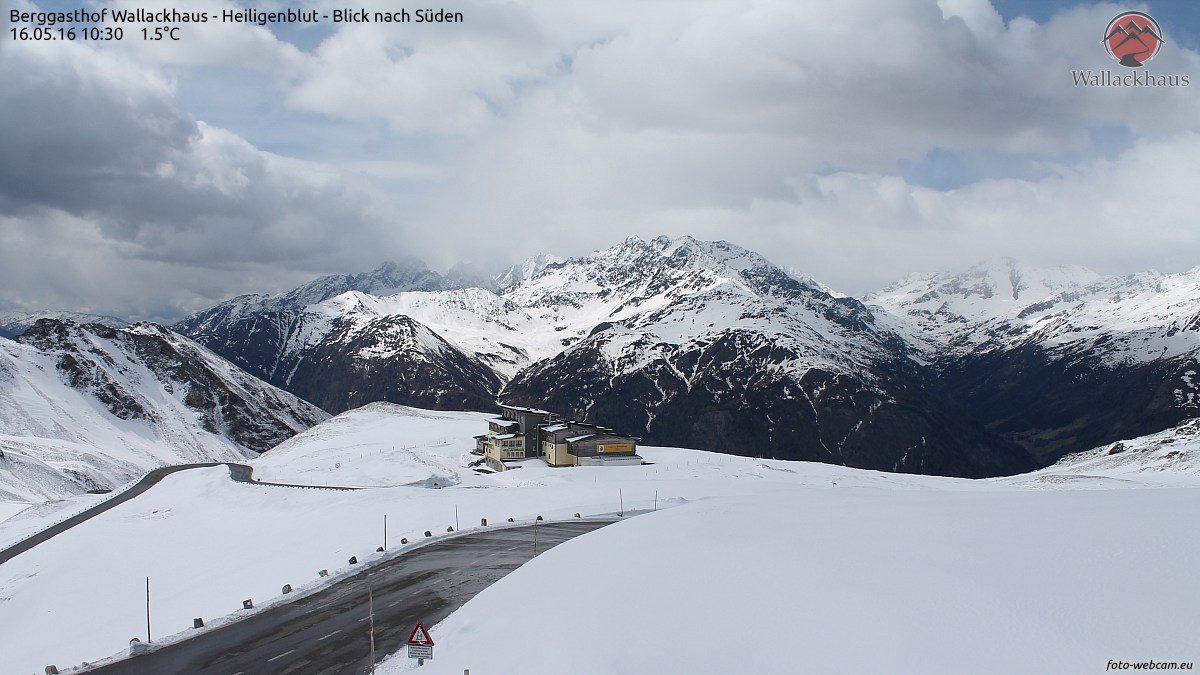
Good morning from the Berggasthof Wallackhaus off Grossglockner, Austria at 2304m (7559ft). Doubles from €78. Photo: foto-webcam.eu

Clearing up nicely at the Berggasthof Wallackhaus off Grossglockner, Austria at 2304m (7559ft). Doubles from €78. Photo: foto-webcam.eu

.

roundup: LUXEMBOURG. The fine for parking in a disabled bay has increased from €49 to a whopping €145 as of Sunday reports Wort.lu. Locals however will no longer have a point deducted from their driving licence. Meanwhile, police have embarked on a week-long blitz on documents, ending Sunday. By law drivers must have a driving licence, insurance certificate and registration document. The fine is €24 for each missing document. BELGIUM. Outrage today as the Flemish Minister for Transport proposed a road toll for cars. The plan was immediately denounced by Dutch motoring club ANWB after Ben Weyts perhaps misleading characterised the charge as a way for transit (foreign) drivers to pay towards the upkeep of the roads (a la German ‘foreigner toll’). In fact it seems Weyts means the road charge should be paid by everybody, domestic and foreign, according to De Redactie. Nevertheless, ANWB said if Flanders wanted to charge for roads they should first improve the quality reports POLITICO Europe. Dutch transport minister Melanie Schultz also said she would keep a ‘sharp eye’ on developments. Flanders recently got as far as trialling a GPS-based, pay-as-you go road charge but the plans foundered after the General Election. Neither Brussels region nor Wallonia was keen.

.

Catching Up with France’s Rock Fall Roads

There has been some significant progress on the two major roads in the French Alps shut by rock falls, but it will still be some time before both are back to full operation.

Also, Aston Martin opens its first Russian dealership. Swiss police crackdown on speeding, including zero tolerance. Road safety in France continues to yo-yo. Police appeal for witnesses after A16 Dunkirk shooting.

.

CATCHING UP WTH FRANCE’S ROCKFALL ROADS

Gorges de l’Arly reopens but Grenoble-Briancon still shut.

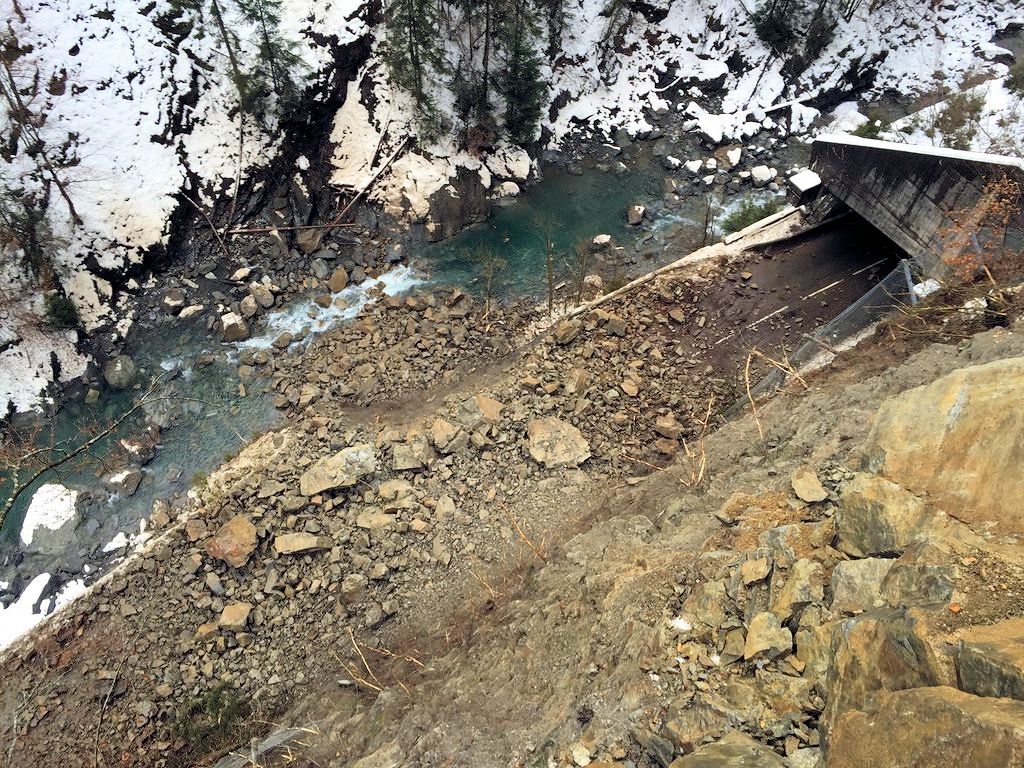
D1212 Gorges de l’Arly between Albertville and the Mont Blanc Tunnel, via Megeve, partially reopened today, five months after it shut following a landslide.

There are still two places with ‘alternate traffic’, one-way sections controlled with traffic lights, at the Panissière and Mont Gombert (see more at Savoie-Route.fr).

But the restored route still saves considerable time over the fiddly, parallel D109 through Hery or, for vehicles 19t+, the 120km drag via Annecy and the A40.

Meanwhile, progress is much slower on reopening the D1091 between Grenoble and Briancon.

It shut at Lake Chambon last April after a massive rock fall destabilised the tunnel.

A temporary road has been open for some time on the opposite side of the lake but, without barriers on a very narrow road, it is not recommended for those of a nervous disposition, or for through traffic in a hurry since queues are commonplace, especially on busy days.

Vehicles larger than 3.5t are not allowed anyway.

The detour in this case is the N85 and N94 via Gap, though N85 is barred to vehicles 7.5t+ in places.

The full fat deviation is the A41-A43 via Frejus Tunnel. For drivers staying in Briancon, the €43.50 toll at Frejus is reduced to €16 by the Serre Chevalier tourist information office.

It was announced this week that the D1091 Grenoble-Briançon road should reopen permanently at the end of 2017, after the completion of a new bypass tunnel, though it could open this December to local traffic (see more at Hautes Alps traffic).

.

Aston Martin flew over its new DB11 and the James Bond DB10 to mark the opening of its first dealership in Russia, on Moscow's dealer mile Volgogradsky Prospekt south east of the city centre. Photo @AstonMartin

Aston Martin flew over its new DB11 and the James Bond DB10 to mark the opening today of its first dealership in Russia, on Moscow’s dealer mile Volgogradsky Prospekt south east of the city centre. Photo @AstonMartin

.

roundup: SWITZERLAND. Swiss police are notoriously hot on speeding. A competitor on the 2013 Cannonball 2000 rally was fined £8500 for driving at 195kmh in a 120kmh zone (and only got away with having his Ferrari California confiscated after proving it didn’t, strictly speaking, belong to him). But Swiss bobbies are absolutely out-doing themselves now with an apparently new strictly zero tolerance approach. @CyclingAlps said on Twitter this week, ‘God Bless the Swiss, another 1 (one) kmh over the limit speeding ticket.’ Lithuania police hauled in a handy crop of speeders during the recent 24hr ‘Speed Blitz’ with a zero tolerance policy, but this is the first time we’ve heard it deployed in general. Meanwhile, after complaints by residents in Thurgau, south of Bodensee, police stopped fifty out of 189 cars on an unnamed Dutch classic car rally last week for going ‘massively too fast’ reports Limmerttaler Zeitung. FRANCE. Road safety continues to yo-yo. Road deaths fell by 5 percent last month (compared to April 2015). All other indicators such as injuries and hospitalisations fell too according to Securite Routiere. It follows a rise in fatalities of 14.2 percent in March. So far this year road deaths are up 2.1% versus the first four months of last year – though that is down from the 3.3 percent overall increase for the first quarter. France is battling two consecutive years of rising road deaths after more than a decade of falls. Its road safety measure in 2015 was 54 road deaths per million inhabitants compared to the EU average of 51.5. Also, police have appealed for witnesses following the shooting on the A16 near Dunkirk early last Thursday. Two alleged people smugglers were injured in the incident after being pursued by Belgian police from Bruges. A Dutch motorbike rider was killed after crashing into the back of the subsequent traffic jam. Anyone who saw what happened should contact Police Nationale.

.

Poor Drivers Pay To Clean Paris Air

Driver group sues Paris for €1 billion in compensation over upcoming old-car ban.

Also, the proposed Balearic summer car ban unlikely to include road star Mallorca. Scene-setting Electric Vehicle stats revealed. A bumper quarter on the Channel for DFDS too.

.

DRIVERS SUE PARIS FOR €1bn OVER CAR BAN

Poorer drivers unfairly bearing the burden of cleaning Paris air.

Motoring campaign group 40 Millions d’Automobilistes is mounting a €1 billion class action law suit against Paris city hall in compensation for the upcoming car ban. As of 1 July, cars registered before 1 January 1997 will not be allowed in the city from 08-20:00 on weekdays. The measure affects 870,000 cars claims the group with each one losing an average €1250 in value thanks to the new rules (making a grand total of €1.08 billion). That poorer drivers should shoulder the burden of cleaning Paris air is a sensitive issue. The national government's system of 'pastille' environmental car stickers was delayed, and does not correspond to Paris' own vehicle classes, due to fear of 'stigmatisation'. Deputy mayor Christophe Najdovski, responsible for transport, said on Twitter that, 'Some want an unconditional right to pollute, we want the right to breathe healthy air.'

Photo: 40 Millions d’Automobilistes.

Driver campaign group 40 Millions d’Automobilistes is mounting a €1 billion class action law suit against Paris city hall in compensation for the upcoming car ban.

As of 1 July, cars registered before 1 January 1997 will not be allowed in the city from 08-20:00 on weekdays.

The measure affects 870,000 cars claims the group with each vehicle losing an average €1250 in value thanks to the new rules (making a grand total of €1.08 billion).

‘To counter this socially unjust measure and the financial penalty, we initiate a collective action to seek compensation for motorists affected by these bans,’ says Pierre Chasseray from 40 Millions d’Automobilistes.

Drivers are invited to sign a petition addressed to Paris mayor Anne Hidalgo.

Deputy mayor Christophe Najdovski, responsible for transport, said on Twitter that, ‘Some want an unconditional right to pollute, we want the right to breathe healthy air.’

That poorer drivers should shoulder the burden of cleaning Paris air is a sensitive issue.

The national government’s serially delayed system of ‘pastille’ environmental car stickers does not correspond to Paris’ own vehicle classes due to fears of ‘stigmatisation‘.

Meanwhile, whether some more recent historic vehicles will be exempt is still unclear.

.

The smaller Balearic Islands could ban cars this summer in a bid to limit overcrowding. The four islands have a combined population of 1.1 million but expect 13.5 million visitors this year reports The Guardian. The smallest island, Formentera, crams in 20,000 cars at the busiest time despite being just 19km long. There are 22 different ferry routes across the islands from three ports on the Spanish mainland according to Direct Ferries. Quite what the operators make of the potential ban remains to be seen. Thankfully not included is the largest island Mallorca, home of Ma-2141 Sa Calobra, EVO magazine’s ‘Greatest Driving Road in the World?’ Designed by Italian engineer Antonio Parietti, hand built, without the need for tunnels, through the Tramontana mountains, it opened in 1932. Like the other EVO-recommended road to Cap Formentor – both in the north west – it is a dead end. The 6h30 sailing from Barcelona costs from around €300 return.

The smaller Balearic Islands could ban cars this summer in a bid to limit overcrowding. The four islands have a combined population of 1.1 million but expect 13.5 million visitors this year as tourists shy away from terrorist-hit spots reports The Guardian. The smallest island, Formentera, crams in 20,000 cars at the busiest time despite being just 19km long. There are 22 different ferry routes across the islands from three ports on the Spanish mainland according to Direct Ferries. Quite what the operators make of the situation remains to be seen. Thankfully not included in the ban is the largest island, Mallorca, home of Ma-2141 Col de Cal Reis, aka ‘Sa Calobra’, EVO magazine’s ‘Greatest Driving Road in the World?’ Designed by Italian engineer Antonio Parietti, hand built, without the need for tunnels, through the Tramontana mountains, it opened in 1932. Like the other EVO-recommended road Ma-2210 to Cap Formentor – both in the north west – it is a dead end. The 6h30 sailing from Barcelona costs from around €300 return. Photo Wikipedia.

.

roundup: ELECTRIC CARS. Interesting statistics contained in this week’s EU Transport newsletter: the highest number of recharging points is found in: the Netherlands (18,800), France (10,600) and the UK (9,300). Meanwhile, the highest market share of new electric vehicles was registered in the Netherlands (10%), Sweden (2.5%), Denmark (2.4%), France (1.2%) and the UK (1%). The figures for Norway will be higher all round, but it is not in the EU. CROSSING THE CHANNEL. Like Eurotunnel, Dover-Calais-Dunkirk operator DFDS has reported ‘strong’ first quarter results. Passengers and freight both grew by 36 percent on the Channel. The firm deployed two new ships to the route – though an existing ferry was returned to charter – meaning three ships on each leg. The healthy results also reflect the demise of Dover-Calais operator MyFerryLink last year. Excluding the Channel, the DFDS route network carried 5% higher freight volumes and 2% more passengers.

.

Alps’ Epicentre: Saint Veran

Fantastically shabby chic Saint Veran deserves to be ranked alongside Andermatt, Bormio, Saint Moritz, Cortina and Briancon as an ‘Alps’ Epicentre’, one of those places with super high mountain passes in every direction.

.

3

Saint Veran: sprinkled on a (deceptively) steep mountain side.

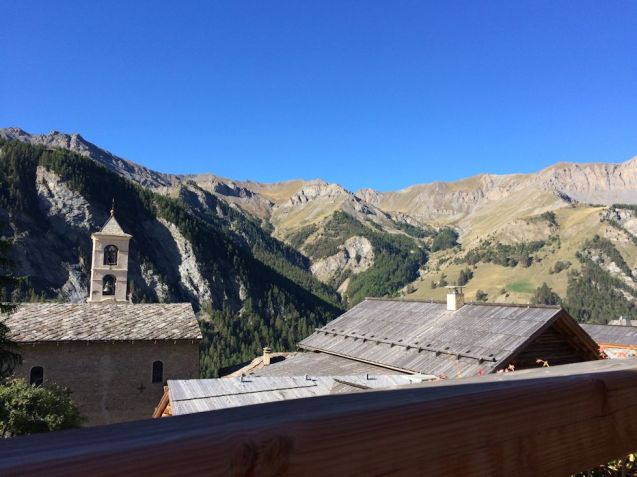
France’s highest ‘commune’ at 2040m, in the Queyras National Park, right up against the Italian border, Saint Veran is a tiny, isolated village sprinkled over a very steep mountain side.

The Queyras is one of the last French Alp valleys to be opened up to tourism so is very lightly developed.

Conservation is extremely important in Saint Veran. You can’t drive in the village unless you are staying there. Many of the buildings are constructed from ancient-looking logs with spindly, worn and weather-beaten verandas hanging precariously outside.

Some are even patched up with rusty corrugated iron sheeting, presumably in preference to unsightly modern materials.

Aside from all the literal rusticity, the main attraction for drivers is the location, 20km south of Col d’Izoard (2360m) and just 5km north of Col Agnel (2744m).

That makes it the perfect place to stop off for the night or, on longer stays, a great base to explore the other mountain roads in the region.

In the day we drove Col d’Agnel we also took in Col de Lombarde (2350m), Col de la Bonette (2802m) and Vars (2108m) though that could easily also have included Cayolle (2326m), or Col de Champs (2080m) and Col d’Allos (2250m). All are within a few miles.

Being as Saint Veran is so tiny, places to stay are limited. Apart from a couple of guest houses, the L’Alta Peyra hotel is it.

It ain’t cheap but it is extremely comfortable, comprised of newly built chalet buildings tucked away at the top of the village, all linked together by winding corridors.

We could have done without the dyed, pygmy goat skins scattered around and the room wasn’t massive, but the restaurants are top notch – all three of them – while the view from the balcony (and the bed) is fabulous.

Most persuasive were the parking arrangements. Our embarrassing car was slung in the covered spaces, but we noticed that when Porsche Club Deutschland rolled up they were ushered into a nifty lift to the underground secure basement.

.

2

Saint Veran: the shabbiest chic imaginable but underneath it all very well cared for, and authentic.

6

The Hotel L’Alta Peyra is particularly strong on rooms (and beds) with a view.

7

Looking down on Saint Veran from one of the thirty trails around the village. Fabulous walking country but be warned, everywhere is very, very steep.

9

Blooming marmots everywhere. Our dog did his best to deal with them but there were just too many.

1

Looking down on neighbouring Molines-en-Queyras and the first stretch of Col Agnel.

10

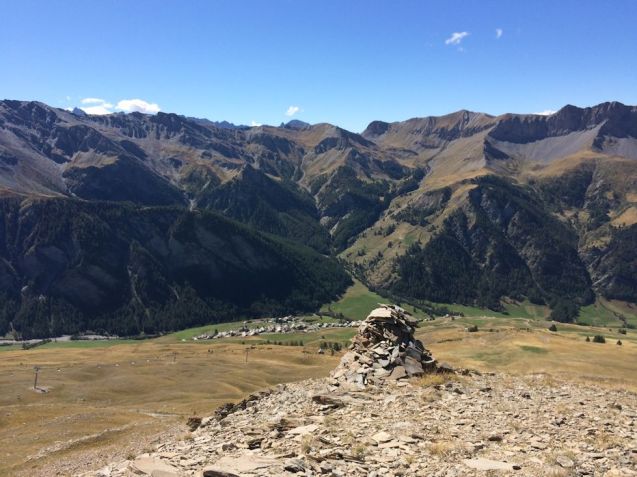
The top of Col Agnel (2744m, 9002ft) marks the border between France and Italy. The twisting ascent from the north along a shallow valley turns briefly to steep, barrierless curves but the reward is a stunning, panoramic view into Italy from the top.

8

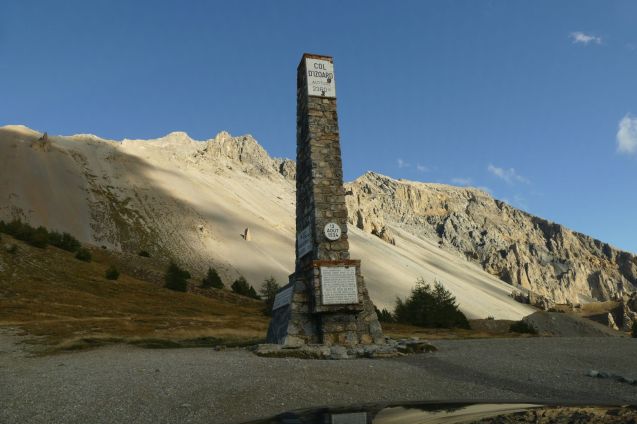
Col d’Izoard’s credentials as a driver’s road are unimpeachable (it’s where BMW partly developed its new M4 GTS and M2). Everyone else will be amazed by the unique Casse Deserte (Broken Desert) landscape – fine scree slopes punctuated by jagged rock chimneys.

7980

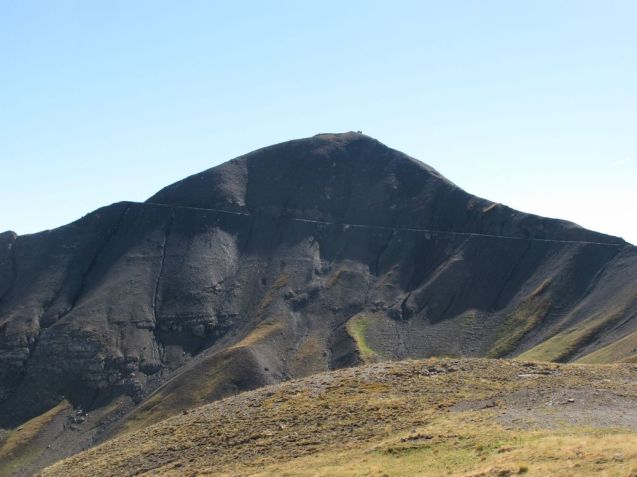
Scrubby grass heathland – almost – on the southern stretch, and traditional endless curves and switchbacks in the north, are punctuated by an extraordinary pile of flaking dark grey granite, Cime la Bonette (2802m, 9192ft), the summit of Col de la Bonette. It proves that height really is might when it comes to mountain roads. Find all these mountain roads and more at PassFinder.

.

Wake-Up Calls About Driving On The Right

Wrong-way accidents caused by British drivers is not thought to be a major issue, but a couple of recent incidents serve as a hard-to-ignore wake-up call.

Also, Gibraltar complains about ‘disproportionate’ border checks on freight. The new Belgium truck toll is already displacing traffic onto nearby Dutch roads as legal bid to suspend scheme rejected. Interesting results from German ‘mega truck’ test, but misgivings from Spain.

.

WAKE-UP CALLS ABOUT DRIVING ON THE RIGHT

Several incidents recently sees us start to take this more seriously.

golf

We have never made a big deal about the whole question of ‘Driving on the Right’.

In 40-odd thousand miles on the Continent it has never been a serious issue.

Neither the UK Department for Transport nor the EU keep statistics on accidents caused by British drivers on the wrong side of the road, surely an indicator it is not a major problem.

That is still broadly true. We rarely hear about them despite scouring European media 24 hours a day, reading every accident report. But a couple recent incidents indicates we should take the subject more seriously.

Last week’s accident near the Nurburgring should be a wake-up call for everybody.

A 38-year-old man at the wheel of an M3, so presumably a handy driver, ploughed head-on into a car while on the wrong side of the road.

His current condition is still unknown after he was airlifted to hospital on Thursday with ‘life-threatening’ injuries. The other driver escaped with minor injuries.

The mystery is how it happened. The classic scenario is getting confused after stopping briefly, like to re-fuel, but there are no filling stations along that stretch of the B412, or restaurants that we can see.

We had a near miss recently while trying to navigate out of Brussels and clearly not concentrating on the immediate task at hand – i.e. making the notorious left hand turn from a T-junction.

But for shouting and screaming from the passenger seat I would have carried on, accelerating towards a blind corner.

Meanwhile, last October a pair of Brits managed to drive 25km on the wrong side of the A9 autobahn in Austria, after stopping to refuel.

Despite driving through five tunnels, miraculously no-one was injured.

The best advice we have heard is ‘always put yourself in the gutter’ – i.e. the driver of a right hand drive car should always be nearest to the side of the road.

Note: ironically, wrong-way driving is a big problem on the Continent but rarely are the culprits British. In Germany there are seven incidents a day, and twenty people killed each year on average, mainly caused by mad, bad, drunk or drugged drivers. See more.

.

mega camines

New 60 tonne, 25.25m ‘Mega trucks’ save 15-25 percent of fuel; could cut the number of vehicles on the road by a third; do not increase road maintenance costs; and there is no switching from rail to road, problems with braking, or major stress on the driver says a field test in Germany. Thirteen of the country’s sixteen states have now joined the trial, due to finish at the end of the year, announced the transport ministry yesterday. There are currently 145 mega trucks on the road divided between 56 operators with an authorised network length of 11,600km, up 900km on previously. However, over in Spain – where ‘megacamiones’ went into service on controlled routes last month – the CETM Spanish Confederation of Goods Transport says a lack of proper testing beforehand means operators face ‘a situation of legal and economic uncertainty’ as the rules could be amended at any time depending on experience in the real world. Photo @DGTes

.

roundup: GIBRALTAR. The government has written to the EU over ‘disproportionate’ checks on freight traffic through the Commercial Gate reports GBC News. The Spanish authorities increased checks in early March and they have continued since according to the Chamber of Commerce, inflicting extra costs due to delays on many businesses. Operators are encouraged to keep a log of any delays at the border. This issue also cropped up last year. One haulier told us he trans-shipped goods to a Spanish operator outside Gibraltar as an effective way to avoid lengthy delays across the border… NETHERLANDS. The new Belgium truck toll has seen freight traffic on major Dutch roads to Antwerp port increase by up to 10 percent as drivers avoid the new road charge. Road monitor VID says traffic on the cross-border A4 is up by 10 percent while it has declined by 7 percent on the A16 from Breda (which involves a much longer trip through Belgium). It also seems German hauliers have caught on too – traffic on the A76 Stein crossing into Belgium near Maastricht is down by 5 percent while the A67 further north at Venlo, which allows a clear run through the Netherlands, is up by a similar amount. So-called ‘displacement’ is a known by-product of tolls schemes as drivers seek out cheaper routes. Inevitably it increases pressure on the Dutch to develop their own road charge (see also a roundup at DutchNews.nl). Meanwhile, a legal bid to suspend the Belgian truck toll has been rejected says operator Satellic. Nearly 100 companies backed by union UPTR had wanted billing postponed until a court-appointed expert could confirm the system worked correctly. Satellic says 500,000 of its OBU On-Board Units have been issued with 430,000 in use. Up to 140,000 trucks use the OBUs on Belgian roads each day. The firm adds that it has seen a ‘remarkable decline’ in the number of enquiries at its call centre in the past two weeks. Hopefully the verdict will not see a return to the widespread road blocks seen immediately after the toll’s introduction in April.

.

No Let Up in May Holiday Traffic

Traffic this week is set to be a re-run of last week – though hopefully a bit quieter in France.

Also, another migrant killed on Calais port road. Paris holds its first regular Car-Free Sunday. Another record month for Eurotunnel freight. Vehicles rescued from flood after drivers ignore no parking signs in St Malo. Italy start cross-border recovery of traffic fines, with a five year limit.

.

NO LET UP IN MAY HOLIDAY TRAFFIC

Consecutive weeks of very heavy national holiday traffic.

traf1

The great thing about a big holiday days on the Continent is that the roads are normally quiet for the few weekends afterwards.

That’s particularly great in the summer months when drivers get all the gain of sunshine and clear skies – hopefully – and none of the pain associated with loaded roads full of holidaymakers.

However, the supercharged roads seen across the Ascension Day holiday last week are set for a repeat this weekend for Pentecost (Pfingsten), in Germany, Switzerland and Italy.

The better news is that traffic will not be quite so heavy in France.

It will be particularly busy leaving Paris from Friday afternoon (13 May), and roads in France generally will be busier than usual on Friday and Saturday as drivers head out, and back again on Monday.

But Sunday (15 May) will be quiet and there are no more traffic warnings after that until Friday 1 July.

Over in Germany, drivers are set for another hellish day on Friday (13 May), as bad if not worse than Wednesday just gone.

There are also another six very busy days in the rest of the month, mainly at weekends but also including Monday 16 May and Wednesday 25 May.

June should be quieter except for every Friday, and two Saturdays mid-month, before very heavy holiday traffic kicks in mid-July.

Switzerland just has one more bad weekend ahead of a long period of quiet finishing in early July.

Three of the five days over this coming weekend are ‘extremely busy’ – Friday, Saturday and Monday – interspersed with a barely-less-busy Sunday and Tuesday.

Traffic heads south initially before northbound queues start on Saturday.

Meanwhile Italy gets in on the act too after a quiet Ascension holiday. A22 Brennero southbound from the Austrian border to Verona (and on to Modena near Bologna) will be busy all weekend, but especially so on Saturday morning (14 May).

So much, as always, depends on the weather. Too stormy increases the risk of big accidents. Too hot encourages day trippers onto the roads (which undoubtedly played its part in yesterday’s horrendous delays).

As it stands, according to the BBC, last weekend’s fine weather looks set to break. We’re keeping our fingers crossed for overcast skies and below average temperatures and it seems we might get it.

.

champs4 hig

Paris held the first of its regular car-free Sundays on the Champs-Elysees yesterday. It was originally due to be held last Sunday but was shifted forwards to take over after the 8 May ‘Victory in Europe’ commemoration. The session was held from 12:00 until 20:00. The event will held on the first Sunday of every month, the next being Sunday 5 June. Paris will hold a much bigger Car-Free day in September as part of European Mobility Week. Photo Paris mayor @Anne_Hidalgo

.

roundup: CALAIS MIGRANT CRISIS. Another migrant was hit and killed by a truck on the port road overnight according to regional President Xavier Bertrand. It brings the number of migrants killed on the roads in the area to four since the start of the year. After recent reports of almost nightly trouble on the N216/A216, Bertrand says the situation has not improved for truck drivers. However, his account is disputed by local paper La Voix du Nord which says the 24 year old Pakistani migrant was killed by a car at 03:30 on the A16 autoroute junction with A216. Whatever – drivers should be extra careful around Calais at night (a British driver has since been taken into custody in connection with the incident and subsequently released). Meanwhile, Eurotunnel freight set its sixth consecutive monthly record in April, carrying just short of 140,000 trucks. It was also the third best month ever for the Channel Tunnel operator behind March 2016 and March 2015. However, the Channel Tunnel operator appears to have given up hopes of operating a freight-only service with the Nord Pas de Calais vessel it inherited from now-defunct MyFerryLink. The ship has departed for Spain where it will operate a route to North Africa. FRANCE. Twelve drivers who ignored – or misunderstood – ‘no parking’ signs in St Malo on Friday had their cars rescued by fire fighters after they were overtaken by a so-called ‘supertide’. Four were already underwater reports The Connexion France. The vehicles were parked in an area marked ‘Cale Inondable’ – floodable slipway – on a white triangle sign with a red border, and a graphic showing a vehicle underwater. On a scale of 0-120, the high tide in St Malo on Friday was 113. ITALY has now ratified the EU’s cross-border prosecution for traffic offences directive. It came into force on 27 March reports ADAC. It means drivers can be prosecuted at home for speeding, not using a seatbelt, failing to stop at red lights, drink driving, driving under the influence of drugs, not wearing a safety helmet, using a forbidden lane, or using a mobile phone. It does not apply to drivers from the UK, Denmark or Ireland for the time being but the notable feature of Italian law is that these offences only expire after five years.

.